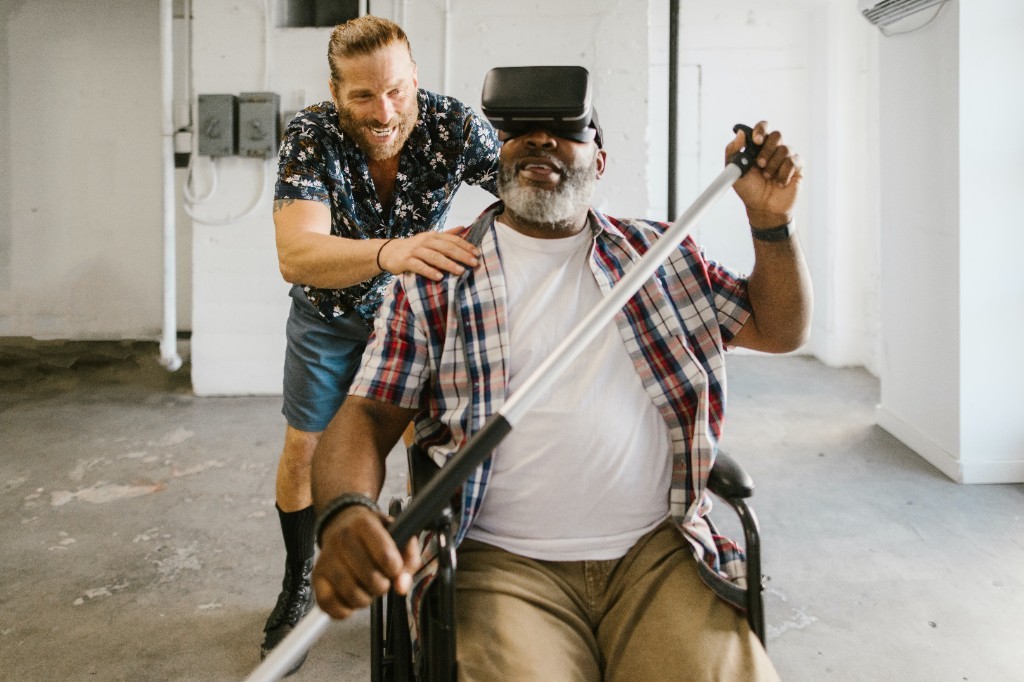

In recent years, there has been a significant advancement in the field of Artificial Intelligence (AI) and Augmented Reality (AR). These technologies have become increasingly popular and have the potential to enhance virtual experiences in various fields such as gaming, education, healthcare, and...
Digital Pet Responds To Your Mood And Cheers You Up
480
02.12.2025

The Evolution of Emotional Companion Technology
Digital companions have evolved dramatically since the days of simple virtual pets that required basic feeding and attention. Today's advanced emotional support digital pets represent a significant technological leap, employing sophisticated emotion detection systems and adaptive response patterns to provide genuinely helpful emotional companionship. These intelligent virtual creatures can recognize when their owners are feeling down, anxious, or stressed and respond with personalized behaviors designed to improve mood and emotional wellbeing.
Unlike their predecessors, modern digital pets aren't merely entertainment—they function as emotional support tools backed by psychological research and advanced artificial intelligence. They learn their owner's emotional patterns over time, building personalized response libraries that become increasingly effective at providing comfort during difficult moments and amplifying joy during positive experiences.
How Emotion Recognition Works
At the heart of these systems lies sophisticated emotion recognition technology that monitors multiple indicators of human emotional states. Depending on the specific implementation, digital pets may analyze some or all of the following signals:
- Facial Expression Analysis: Camera-equipped systems track facial muscle movements to identify emotional states through microexpressions.
- Voice Pattern Recognition: Changes in tone, speed, volume, and vocal patterns reveal emotional undercurrents in speech.
- Text Sentiment Analysis: Messages typed to the pet or in other applications are analyzed for emotional content.
- Biometric Data: Some systems connect to wearable devices to monitor heart rate, skin conductance, and other physiological markers of emotion.
- Behavioral Patterns: Interaction timing, movement speed, and activity choices provide contextual emotional information.
These multimodal inputs are processed through advanced neural networks trained on vast datasets of emotional expressions. The systems can detect subtle emotional nuances, distinguishing between different types of negative emotions (such as sadness versus anxiety) and recognizing complex emotional states like nostalgic melancholy or contented relief.
Privacy remains a priority in these systems, with most processing happening locally on the device rather than in cloud servers. Users typically maintain granular control over which emotional detection features are activated and how their data is used.
Adaptive Response Strategies
Once a digital pet detects its owner's emotional state, it employs carefully designed response strategies to provide appropriate support. These aren't random reactions but calculated approaches based on psychological principles of emotional regulation and support.
Responses to Negative Emotions
When detecting sadness, anxiety, stress, or other negative emotional states, digital pets deploy various comfort techniques:
- Empathetic Listening: The pet may prompt the user to talk about what's bothering them, offering non-judgmental responses.
- Distraction Techniques: Presenting simple games, jokes, or interesting facts to momentarily shift attention away from negative thoughts.
- Guided Breathing: Slow animations that encourage measured breathing to reduce anxiety and stress responses.
- Positive Memory Recall: Reminding the user of past positive experiences or accomplishments.
- Physical Comfort Behaviors: Visual and auditory representations of nuzzling, purring, or other comforting actions.
These responses are calibrated based on the specific emotion detected and the user's historical response patterns. For instance, a person who responds well to humor during mild sadness but prefers quiet companionship during deeper emotional distress will receive different responses based on their current emotional intensity.
Amplifying Positive Emotions
Digital pets don't just respond to negative emotions—they also work to enhance positive feelings:
- Celebration Behaviors: Animated excitement when the user achieves goals or experiences good news.
- Playful Engagement: Offering interactive games that build on existing good moods.
- Positive Reinforcement: Acknowledging and affirming the user's positive choices and experiences.
- Gratitude Practices: Prompting reflection on positive aspects of the day to enhance wellbeing.
- Shared Joy: Demonstrating happiness in response to the user's positive emotional state.
By amplifying positive emotions, digital pets help extend periods of wellbeing and build emotional resilience that can buffer against future stressors.

Learning and Personalization
The most advanced digital pets employ sophisticated machine learning to continuously improve their emotional support capabilities. These systems track which responses are most effective for specific emotional states and contexts, building increasingly personalized support patterns over time.
This learning happens across multiple dimensions:
- Time-Based Patterns: Understanding how emotions fluctuate throughout the day, week, or in response to recurring events.
- Contextual Understanding: Recognizing that the same emotion might require different responses in different situations.
- Intensity Calibration: Adjusting responses based on the severity of emotional states.
- Sequential Learning: Developing multi-step support strategies for complex emotional situations.
- Preference Adaptation: Evolving to match the user's communication and interaction style.
Some systems also incorporate optional community learning, where anonymized data about successful emotional support strategies is shared across the platform to improve the overall effectiveness of responses, while still maintaining personalization for individual users.
Relationship Development Over Time
Unlike static applications, digital pets are designed to build a simulated relationship with their owners. They maintain memory of past interactions, refer to shared experiences, and evolve their personalities in response to the user's preferences and needs. This creates a sense of continuous companionship rather than a series of disconnected interactions.
Advanced models incorporate subtle personality development algorithms that gradually adjust the pet's behavioral characteristics based on how the owner interacts with them. A user who responds well to enthusiastic, energetic support might find their digital pet becoming more expressive over time, while someone who prefers calm, soothing interactions might notice their pet developing a more gentle demeanor.
Clinical Applications and Research
While many digital pets are designed for general emotional wellbeing, specialized versions are being developed for therapeutic contexts. Preliminary research suggests these systems may provide valuable supplementary support for people with conditions like depression, anxiety, and loneliness.
Clinical psychologist Dr. Rachel Winters explains: "We're seeing promising results using these digital companions as bridges between therapy sessions. They can reinforce coping skills, provide emotional regulation support during difficult moments, and help clients practice social interactions in a low-stress environment."
Several ongoing studies are examining specific applications:
- Supporting elderly individuals experiencing isolation
- Providing transitional support for children in foster care systems
- Offering additional emotional regulation tools for people with anxiety disorders
- Helping individuals on the autism spectrum practice emotional recognition and expression
- Providing accessible emotional support in areas with limited mental health resources
Limitations and Ethical Considerations
Developers and mental health professionals alike emphasize that digital pets complement rather than replace human connection. Dr. Marcus Chen, who specializes in digital therapeutics, notes: "These tools can provide valuable support between human interactions or in moments when a person feels unable to reach out to others, but they're designed to encourage rather than substitute for human relationships."
The field also grapples with important ethical questions about dependency, data privacy, and the boundaries of artificial emotional support. Most developers have established ethical guidelines that include transparency about the system's capabilities, clear boundaries around the appropriate use cases, and safeguards that can detect when a user needs professional human support.
The Future of Emotional Support Technology
As emotion recognition algorithms continue to improve and processing power increases, digital pets are becoming increasingly sophisticated in their ability to provide nuanced emotional support. Future developments may include more advanced physical embodiments through robots or augmented reality, deeper integration with telehealth platforms, and more sophisticated emotional intelligence capabilities.
Researchers are also exploring how these systems might help people develop greater emotional awareness and regulation skills through guided practices and gentle feedback. By helping users recognize and name their emotions, digital pets may contribute to improved emotional literacy and self-management.
While traditional pets will always offer unique benefits that digital companions cannot replicate, these technological emotional supports are carving out their own valuable niche—providing consistent, adaptive companionship that responds to our emotional needs with increasing sophistication. In a world where mental health resources remain stretched and many people struggle with isolation, these digital friends offer a promising new avenue for everyday emotional support.