

In recent years, there has been a significant advancement in the field of Artificial Intelligence (AI) and Augmented Reality (AR). These technologies have become increasingly popular and have the potential to enhance virtual experiences in various fields such as gaming, education, healthcare, and...
Digital Sommelier: AI Recommends the Perfect Wine for Any Dish
967
01.02.2026
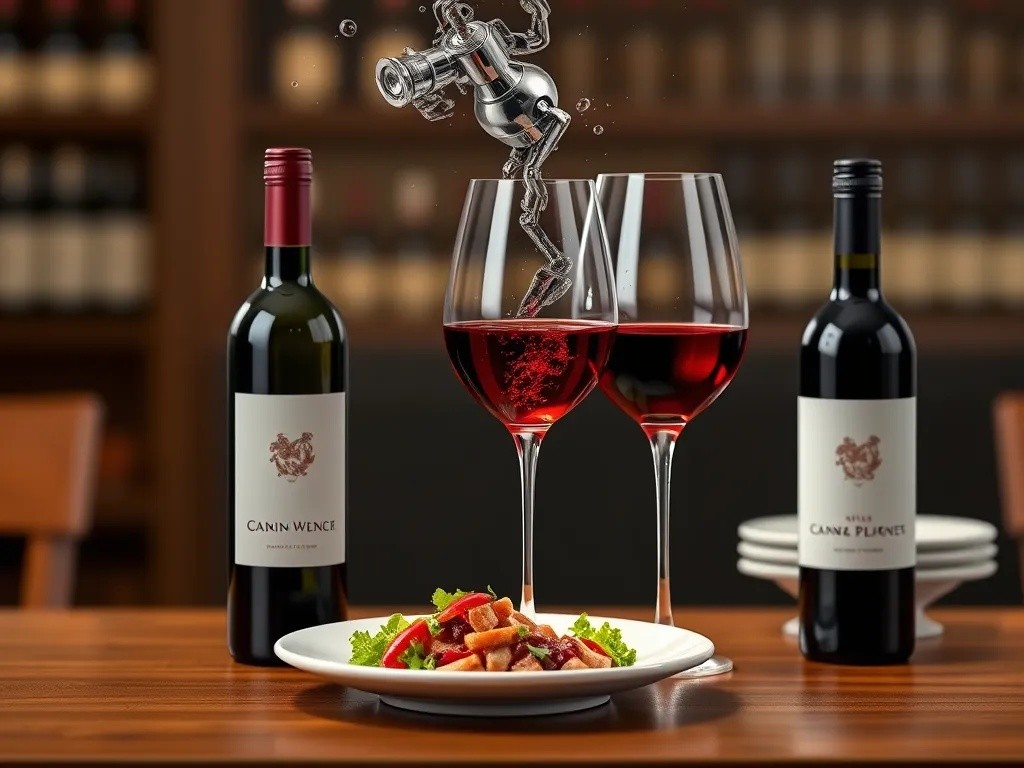
Selecting the right wine to complement a meal has traditionally required years of training and extensive tasting experience. Now, artificial intelligence is democratizing this expertise through digital sommelier applications that can recommend the perfect wine pairing for any dish, making expert knowledge accessible to everyone from casual diners to serious food enthusiasts.
Understanding the Digital Sommelier Revolution
Digital sommeliers represent a fascinating application of machine learning technology. These systems combine vast databases of wine characteristics with culinary knowledge to generate recommendations that rival those of human experts. Unlike traditional wine guides that offer generic suggestions, AI-powered sommeliers provide personalized recommendations based on specific ingredients, cooking methods, and individual preferences.
The Science Behind Wine Pairing Algorithms
Successful wine pairing depends on understanding how flavors interact. AI systems analyze several factors when generating recommendations:
- Flavor compounds present in both the food and wine
- Weight and intensity of the dish compared to wine body
- Acidity levels that can complement or contrast with food flavors
- Tannin content and how it interacts with proteins and fats
- Regional traditions that have evolved over centuries of culinary practice
How Digital Sommeliers Work
Input Methods and User Interaction
Modern wine recommendation applications offer multiple ways for users to describe their meals. Some allow text descriptions of dishes, while others provide ingredient selection interfaces. Advanced applications can even analyze photographs of food to identify dishes and suggest appropriate wines.
Personalization and Learning
The most sophisticated digital sommeliers learn from user feedback. When someone rates a recommended pairing, the system adjusts future suggestions accordingly. Over time, these applications develop detailed understanding of individual taste preferences, creating increasingly accurate and personalized recommendations.
Database Integration
These systems connect to extensive wine databases containing information about thousands of vintages. They track availability at local retailers, current prices, and professional ratings, ensuring recommendations are both appropriate and practical.
Practical Applications and Use Cases
Home Cooking Enhancement
Home cooks benefit tremendously from digital sommelier technology. When preparing a special dinner, users can input their planned menu and receive wine suggestions that elevate the entire meal. The technology removes guesswork and builds confidence in wine selection.
Restaurant Integration
Some restaurants now offer digital sommelier services through tablet menus or smartphone applications. Diners can scan dish descriptions and receive instant wine pairing suggestions from the restaurant's available selection. This enhances the dining experience while reducing pressure on wait staff.
Wine Education and Exploration
Digital sommeliers serve as educational tools, explaining why certain wines complement specific foods. Users learn about grape varieties, regional characteristics, and flavor profiles while making practical decisions. This educational component helps wine enthusiasts develop their own pairing intuition over time.
Features of Leading Applications
The best digital sommelier platforms offer comprehensive feature sets:
- Budget filters that suggest wines within specified price ranges
- Dietary consideration options for vegetarian, vegan, or allergy-friendly meals
- Occasion-based suggestions for casual dinners, celebrations, or business entertaining
- Alternative recommendations when preferred wines are unavailable
- Cellar management tools for tracking personal wine collections
Challenges and Limitations
Subjective Nature of Taste
Wine appreciation remains deeply personal. While AI can analyze chemical compounds and predict interactions, individual taste preferences vary significantly. What delights one person may disappoint another. The best systems acknowledge this subjectivity by offering multiple options rather than single prescriptive recommendations.
Regional and Seasonal Availability
Wine availability varies dramatically by location and season. Digital sommeliers must balance ideal recommendations with practical accessibility. Some applications address this by partnering with local retailers to show real-time inventory.
The Future of AI Wine Assistance
Developers are expanding digital sommelier capabilities in exciting directions. Future applications may integrate with smart kitchen appliances to suggest wines based on what users are actually cooking. Augmented reality features could allow users to point their phones at restaurant menus and see wine suggestions overlaid on the screen.
Voice-activated assistants are also adopting sommelier capabilities, allowing hands-free wine selection while cooking. Integration with grocery delivery services could enable one-click purchasing of recommended wines.
Conclusion
Digital sommelier technology represents a perfect marriage of culinary tradition and technological innovation. By making expert wine knowledge accessible to everyone, these applications enhance dining experiences while educating users about the fascinating world of wine. Whether planning an elaborate dinner party or simply choosing a bottle for a weeknight meal, AI-powered wine recommendations ensure every dish finds its perfect liquid companion.