

In recent years, there has been a significant advancement in the field of Artificial Intelligence (AI) and Augmented Reality (AR). These technologies have become increasingly popular and have the potential to enhance virtual experiences in various fields such as gaming, education, healthcare, and...
Digital Veterinarian Diagnoses Cattle Health Through Moo Analysis
791
30.01.2026
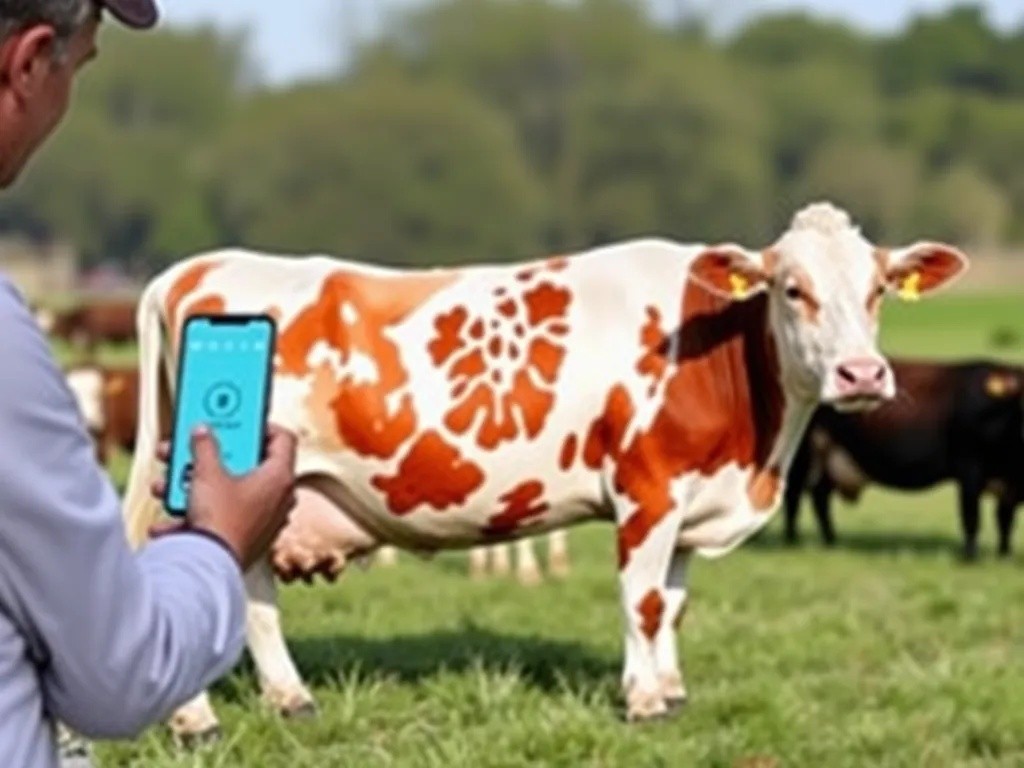
Agricultural technology has reached a remarkable milestone with the introduction of an artificial intelligence system capable of diagnosing health conditions in cattle by analyzing their vocalizations. This digital veterinarian listens to cow sounds around the clock, identifying patterns that indicate illness, distress, or specific medical conditions requiring attention.
The Science Behind Bovine Vocalization Analysis
Cattle communicate through a surprisingly diverse range of sounds, each carrying information about their physical and emotional state. Researchers discovered that subtle variations in pitch, duration, and frequency patterns correlate strongly with specific health conditions. The artificial intelligence system processes these acoustic signatures, comparing them against databases of healthy and symptomatic vocalizations.
Detectable Conditions
The current system demonstrates reliable detection capabilities for numerous health issues:
- Respiratory infections indicated by changes in breathing patterns audible in vocalizations
- Digestive disorders reflected in altered feeding-related sounds
- Mastitis and udder infections causing distinctive distress calls
- Lameness and hoof problems affecting movement-associated vocalizations
- Calving complications detected through labor-related sound patterns
- Heat stress identified by characteristic thermal discomfort calls
Implementation on Modern Farms
The system operates through strategically placed microphones throughout barns and grazing areas. These sensors continuously capture audio, transmitting data to processing units that analyze sounds in real-time. When the algorithm detects potentially problematic vocal patterns, it alerts farm managers through mobile applications, specifying which animal requires attention and the probable nature of the issue.
Early Detection Benefits
Perhaps the most significant advantage of this technology lies in its ability to identify health problems before visible symptoms appear. Traditional veterinary observation relies on physical manifestations that often indicate advanced disease progression. The acoustic monitoring system can detect anomalies hours or even days earlier, enabling intervention when conditions remain easily treatable.
Training the Algorithm
Developers collaborated with veterinary schools and large dairy operations to assemble training datasets encompassing millions of recorded vocalizations. Each sound sample was paired with comprehensive health records, allowing the neural network to learn correlations between acoustic characteristics and confirmed diagnoses. The training process required three years of continuous data collection across multiple climate zones and cattle breeds.
Accuracy and Validation
Independent testing conducted by agricultural universities demonstrated impressive diagnostic accuracy. The system correctly identified general illness presence in 91 percent of cases, while specific condition identification achieved approximately 78 percent accuracy. These figures compare favorably with visual observation methods typically employed on large-scale operations.
Economic and Animal Welfare Implications
Farm operators report significant reductions in veterinary costs and animal mortality rates following system implementation. Early intervention prevents minor conditions from developing into serious illnesses requiring extensive treatment. Additionally, the technology supports animal welfare objectives by ensuring cattle receive prompt medical attention, reducing suffering associated with undetected health problems.
Future Development Directions
Researchers continue expanding the system's capabilities, working to incorporate analysis of other livestock species including pigs, sheep, and goats. Integration with additional monitoring technologies, such as movement sensors and thermal cameras, promises even more comprehensive health surveillance. The vision of truly intelligent farming, where technology and traditional husbandry combine to optimize animal welfare and agricultural productivity, moves closer to reality with each advancement.