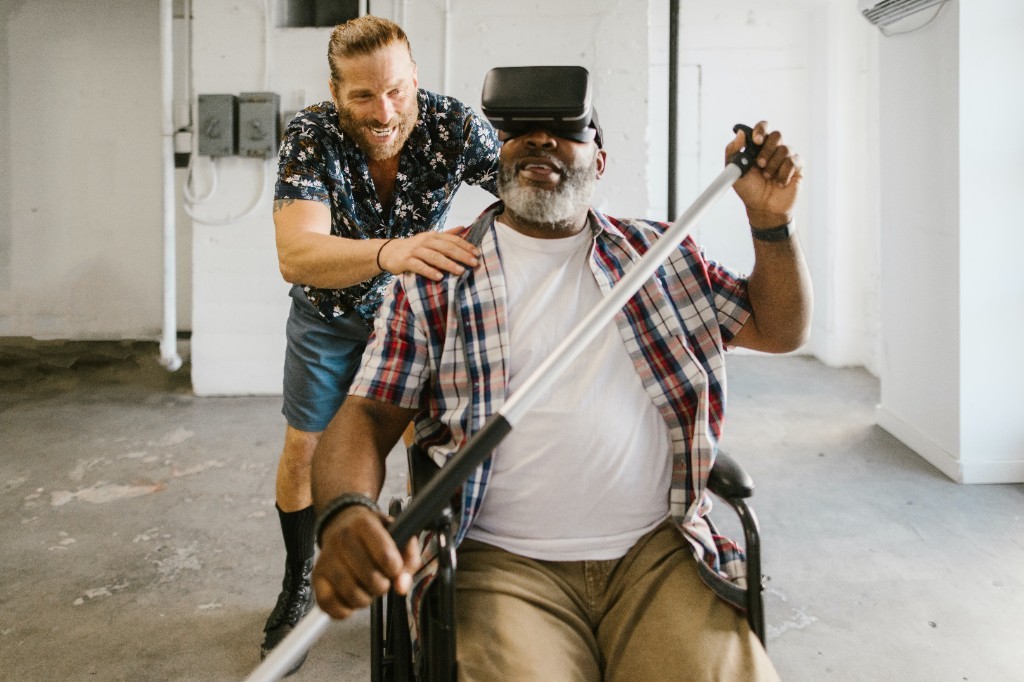
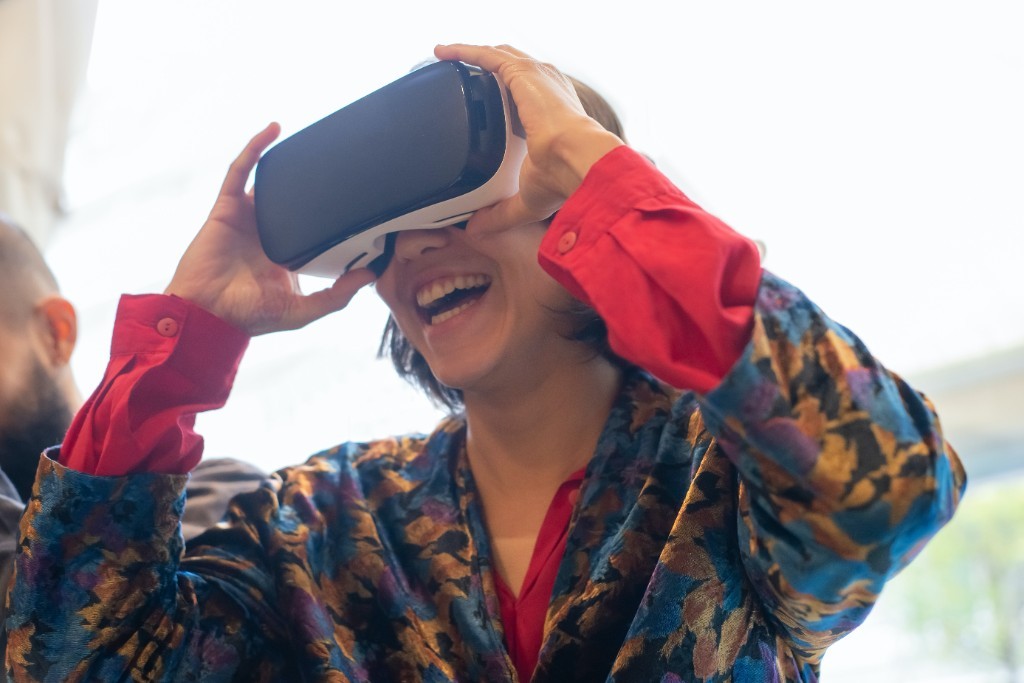
In recent years, there has been a significant advancement in the field of Artificial Intelligence (AI) and Augmented Reality (AR). These technologies have become increasingly popular and have the potential to enhance virtual experiences in various fields such as gaming, education, healthcare, and...
Digital Wine Taster Detects Counterfeit Wine in One Second
660
21.01.2026
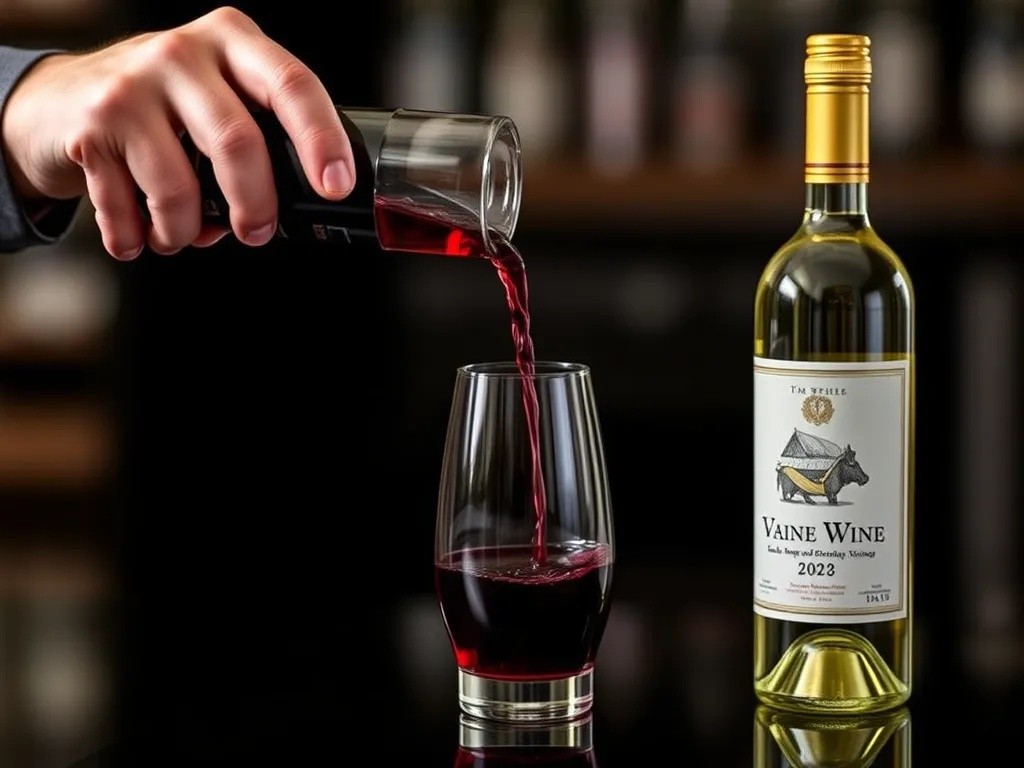
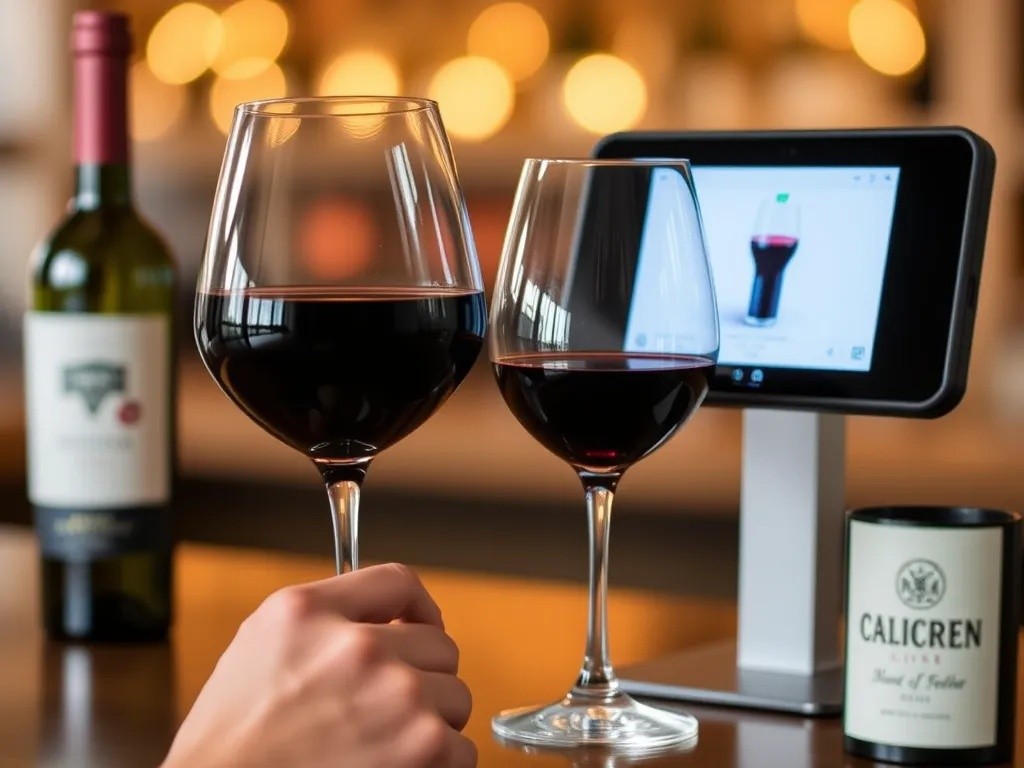
The wine industry faces a growing crisis that costs collectors and consumers billions of dollars each year: counterfeit wine. From prestigious Bordeaux to rare vintage Burgundy, forgers have become increasingly sophisticated in their methods, making it nearly impossible for even expert sommeliers to distinguish authentic bottles from clever fakes. However, a groundbreaking new technology promises to change everything. A digital wine taster, developed by researchers combining spectroscopy and artificial intelligence, can now identify counterfeit wine in just one second.
How the Technology Works
The digital tasting device represents a remarkable fusion of chemistry, physics, and machine learning. Unlike traditional methods that require opening the bottle and potentially destroying valuable wine, this non-invasive technology analyzes the liquid through the glass itself.
Spectroscopic Analysis
The device uses near-infrared spectroscopy to create a unique chemical fingerprint of each wine. This fingerprint captures hundreds of data points including alcohol content, sugar levels, acidity, and the presence of specific compounds that develop during aging. Every authentic wine from a particular vineyard and vintage carries distinctive markers that counterfeiters cannot perfectly replicate.
Machine Learning Algorithm
The collected spectral data feeds into a sophisticated neural network trained on thousands of authentic wine samples. The algorithm has learned to recognize subtle patterns that distinguish genuine wines from imitations. Key factors the system evaluates include:
- Chemical composition consistency with declared origin
- Age markers matching the stated vintage year
- Terroir signatures specific to vineyard locations
- Fermentation byproducts typical of traditional winemaking methods
- Oak aging compounds corresponding to barrel treatment claims
The Scale of Wine Fraud
Industry experts estimate that counterfeit wine represents approximately five percent of the global fine wine market, translating to billions in fraudulent sales annually. The problem has intensified as wine collecting has become increasingly popular among wealthy investors, particularly in Asian markets where demand for prestigious European wines has skyrocketed.
Notable Fraud Cases
The wine world has witnessed several spectacular fraud cases that highlighted the industry's vulnerability. Sophisticated forgers have successfully sold millions of dollars worth of fake wines to auction houses, restaurants, and private collectors before detection. These cases demonstrated that traditional authentication methods, including expert tasting panels and provenance documentation, can be fooled by determined criminals with adequate resources.
Benefits for Different Stakeholders
The digital wine taster offers advantages across the entire wine ecosystem. Auction houses can verify lots before sale, protecting their reputation and their clients' investments. Restaurants can ensure they serve authentic products to discerning customers. Collectors can verify purchases and authenticate existing cellars. Even customs agencies have expressed interest in using the technology to combat the illegal wine trade at borders.
Accessibility and Implementation
While initial versions of the technology required laboratory conditions, developers have created portable devices suitable for use at auction previews, wine shops, and private cellars. The handheld version connects to a smartphone application that displays results instantly, making authentication accessible to anyone concerned about wine authenticity.
Future Developments
Researchers continue expanding the database of authenticated wines, improving detection accuracy with each addition. Future versions may identify not just counterfeits but also wines that have been improperly stored or have developed faults invisible to visual inspection. The technology represents a significant step toward transparency in an industry where trust has traditionally relied on reputation and expertise alone.
As counterfeiters inevitably adapt their methods, the digital tasting system will evolve through continuous learning, creating an ongoing technological arms race. However, the fundamental chemistry of wine production cannot be perfectly faked, giving authentic producers and honest merchants a powerful new tool in protecting their products and customers.