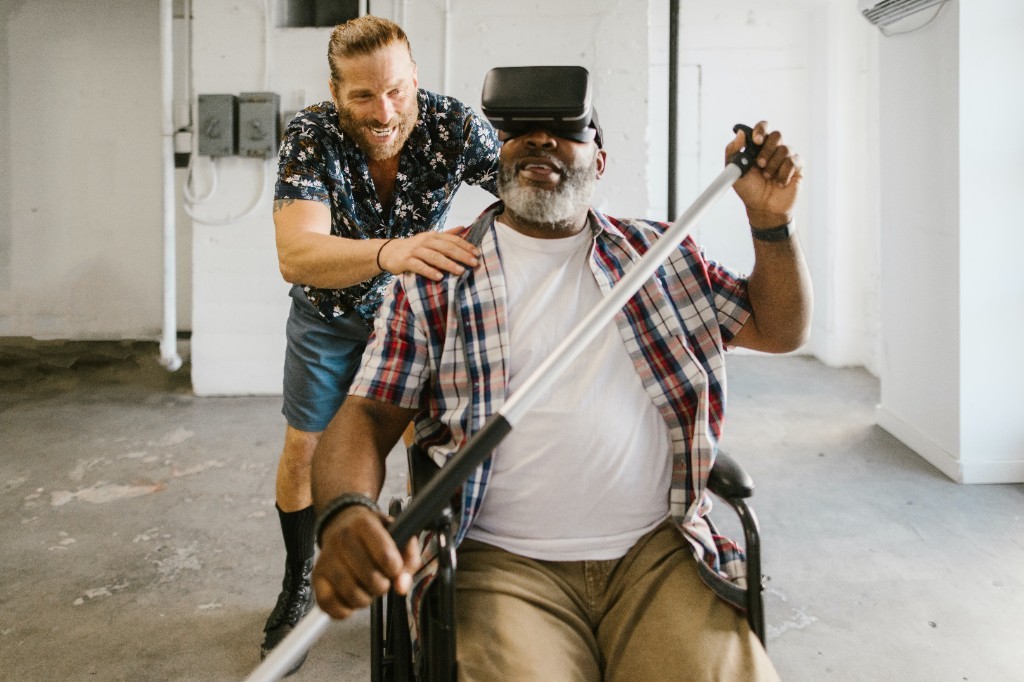
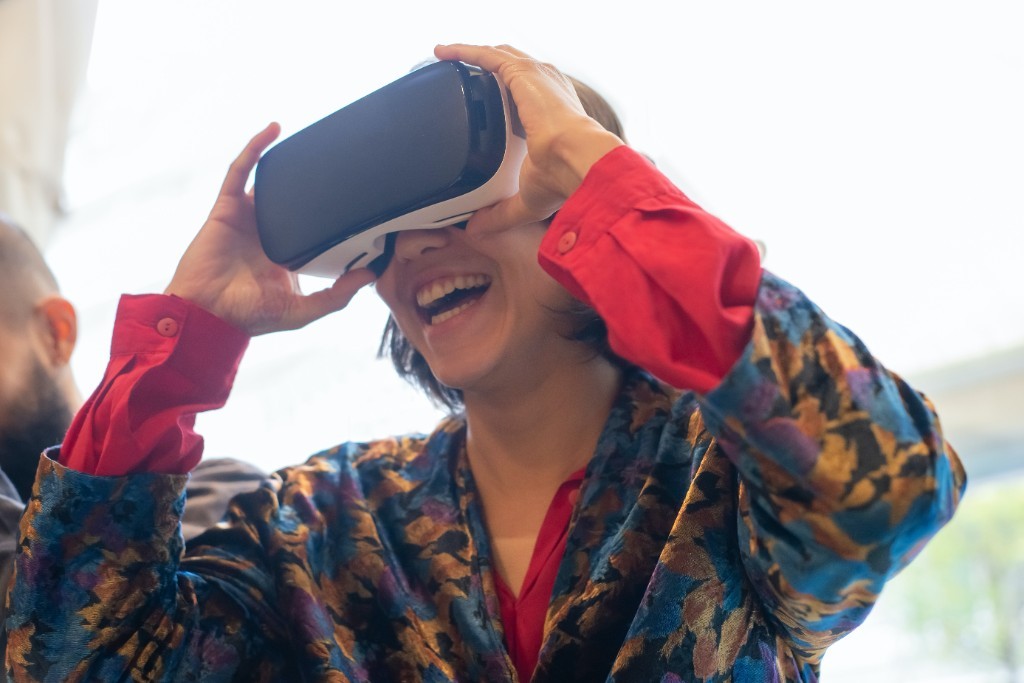
In recent years, there has been a significant advancement in the field of Artificial Intelligence (AI) and Augmented Reality (AR). These technologies have become increasingly popular and have the potential to enhance virtual experiences in various fields such as gaming, education, healthcare, and...
Holographic Farewell: AI Creates Virtual Presence of Deceased Loved Ones
1140
06.03.2026
Technology Addressing Grief and Loss
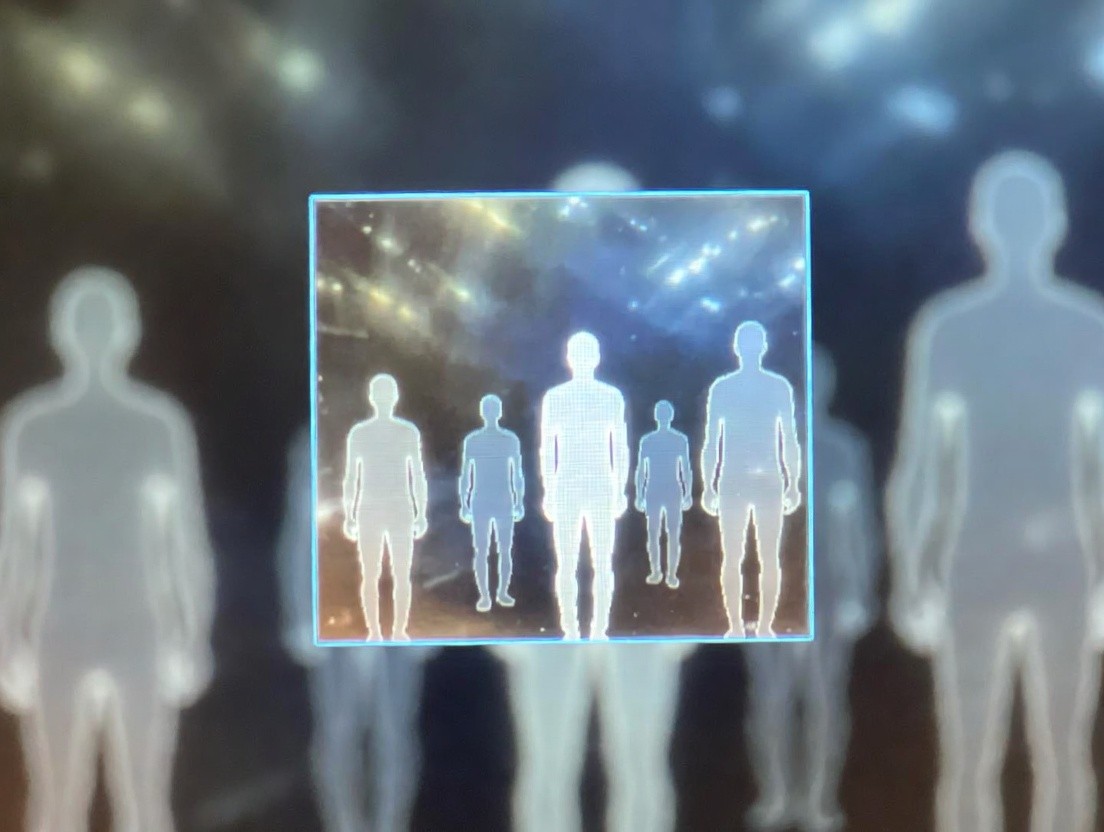
Grief represents one of humanity's most profound and universal experiences. When death prevents final conversations or proper farewells, the emotional burden can intensify and complicate the grieving process. Revolutionary technology combining artificial intelligence, holography, and advanced data analysis now offers bereaved families an unprecedented opportunity: interactive encounters with lifelike holograms created from biographical data, photographs, recordings, and personal memories of their deceased loved ones.
How Holographic Resurrection Technology Works
Data Collection and Analysis
Creating a convincing holographic representation requires comprehensive biographical and behavioral information. AI systems gather:
- Video and audio recordings of the deceased person
- Photographs from different life stages and contexts
- Written correspondence, journals, and personal documents
- Testimonies from family members and close friends
- Voice samples and speech pattern analysis
- Personality traits and characteristic expressions
- Historical preferences, mannerisms, and behavioral patterns
AI Reconstruction Process
Sophisticated artificial intelligence algorithms synthesize this information to create detailed digital representations. Deep learning models trained on millions of human interactions generate realistic responses to user prompts. Natural language processing systems mimic the person's distinctive communication style, vocabulary preferences, and speech patterns. Computer vision technology creates accurate facial reconstructions and body representations. The result is a remarkably realistic holographic presence that captures essential characteristics of the deceased individual.
The Farewell Experience
Creating Closure and Connection
Families use holographic farewell experiences to achieve emotional closure in multiple ways. Terminally ill individuals can record messages and create interactive holograms before death, allowing family members to revisit their presence afterward. Loved ones separated by distance at the time of death can finally say goodbye. Unfinished conversations receive completion through AI-generated dialogue based on known personality characteristics and relationship patterns.
The experience proves particularly valuable for children struggling to understand death or process grief. Interacting with a holographic representation of a deceased parent or grandparent can facilitate conversations and emotional expression. Therapists report that holographic encounters help patients work through grief stages more effectively.
Technical Implementation
Holography and Presentation Systems
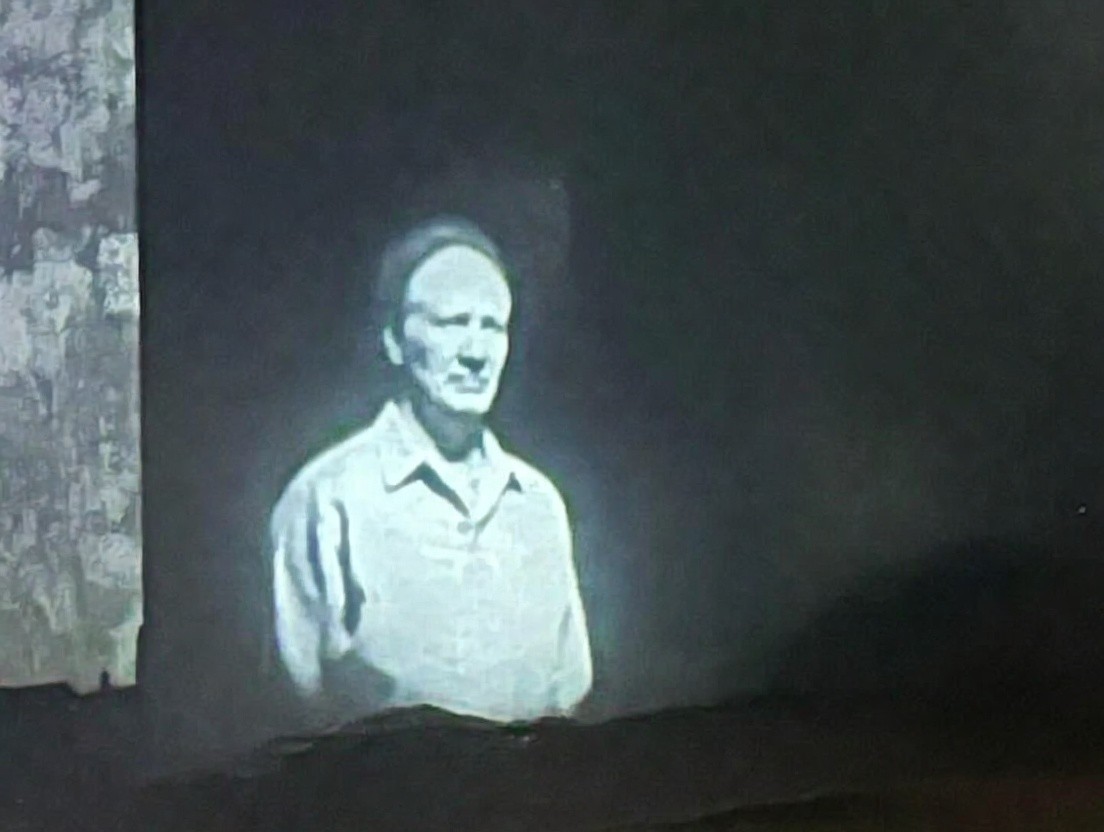
The holographic experience utilizes several presentation technologies. Full-body holograms appear in dedicated rooms with advanced projection systems. Volumetric displays create three-dimensional images visible from multiple angles. Virtual reality environments provide immersive encounters within digital spaces. Augmented reality applications overlay holograms into home environments. Each approach offers different experiences suited to various emotional needs and technical capabilities.
Emotional and Psychological Impacts
Research indicates predominantly positive emotional outcomes from holographic farewell experiences. Families report reduced guilt about unsaid things, greater acceptance of death, and accelerated grief processing. The experience allows final expressions of love, gratitude, and forgiveness. Some individuals describe profound healing from resolving long-standing relationship conflicts through holographic interactions.
However, mental health professionals emphasize the importance of therapeutic support alongside this technology. While holographic encounters facilitate closure, they complement rather than replace traditional grief counseling. Psychologists work with families to ensure healthy engagement with the experience and prevent unhealthy attachment to virtual representations preventing acceptance of death.
Ethical Considerations and Concerns
Important Ethical Questions
Holographic recreation of deceased individuals raises significant ethical concerns. Creating accurate simulations requires substantial personal information about the deceased, raising privacy questions. The technology's potential for misuse—creating deceptive holograms impersonating real people—demands careful regulation. Questions arise about whether holographic encounters encourage unhealthy grief responses or delay necessary acceptance.
Consent represents a crucial issue. Should individuals be able to create holographic versions of themselves before death? Should families have authority to create holograms without the deceased's explicit permission? These questions lack simple answers and vary across cultural and legal contexts.
Regulatory Frameworks
Countries worldwide are developing regulations governing holographic recreation technology. Most frameworks require explicit documented consent from the deceased or their immediate family. Providers must maintain strict data security and privacy protections. Clear transparency about technological limitations ensures users understand they interact with AI reconstructions, not actual consciousness or spiritual presence.
Future Applications and Developments
As technology advances, holographic farewell systems will become more sophisticated. Real-time learning algorithms will enable holograms to evolve based on interactions. Integration with neural interfaces might enable more intuitive communication. Some envision creating persistent digital afterlives—virtual spaces where family members interact with holographic versions continuously.
Cultural and Spiritual Dimensions
Different cultures and spiritual traditions view holographic recreation differently. Some embrace it as consistent with their beliefs about afterlife and ancestor veneration. Others express concern that technology interferes with spiritual processes or traditional mourning practices. Respect for diverse perspectives remains essential as this technology develops globally.
Conclusion
Holographic recreation technology represents humanity's latest attempt to transcend the finality of death. By enabling family members to interact with lifelike representations of deceased loved ones, AI and holography offer unprecedented opportunities for emotional closure and grief processing. While raising important ethical questions, this technology potentially transforms how societies approach loss and remembrance, providing comfort to millions experiencing bereavement worldwide.