

In recent years, there has been a significant advancement in the field of Artificial Intelligence (AI) and Augmented Reality (AR). These technologies have become increasingly popular and have the potential to enhance virtual experiences in various fields such as gaming, education, healthcare, and...
Home Brain Turns Lights Off When Everyone Falls Asleep
536
04.01.2026
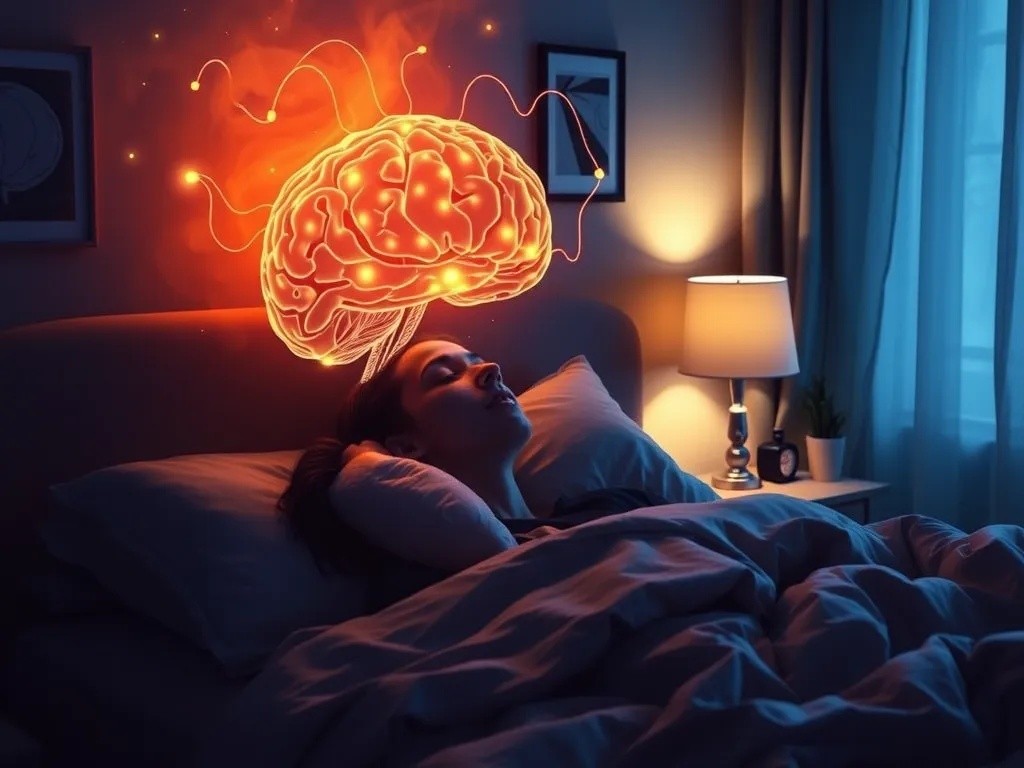
Imagine a home so intelligent that it knows exactly when every person has drifted off to sleep and automatically switches off unnecessary lights throughout the house. This technology is no longer science fiction but a reality that combines artificial intelligence, motion sensors, and behavioral pattern recognition to create truly responsive living spaces. The Home Brain system represents a significant leap forward in smart home automation, moving beyond simple timers and motion detectors to genuine environmental awareness.
How Sleep Detection Technology Works
The Home Brain system uses multiple data sources to determine when residents have fallen asleep. Unlike traditional motion sensors that simply detect movement, this advanced system analyzes patterns over time to understand household routines and behaviors.
Multiple Sensor Integration
The technology relies on various sensor types working together:
- Motion sensors that track movement throughout the home
- Bedroom sensors that detect breathing patterns and body position
- Smart device activity monitors that notice when phones and tablets are no longer in use
- Door and window sensors that confirm rooms are secured for the night
- Sound detection that listens for typical sleep-related audio patterns
Learning Household Patterns
The Home Brain becomes more accurate over time as it learns family schedules and individual sleep habits. It recognizes that one person might fall asleep watching television while another reads in bed for thirty minutes. The system distinguishes between someone genuinely sleeping and someone simply lying still while awake. This learning process typically takes two to three weeks of observation before the system achieves optimal accuracy.
Intelligent Light Management
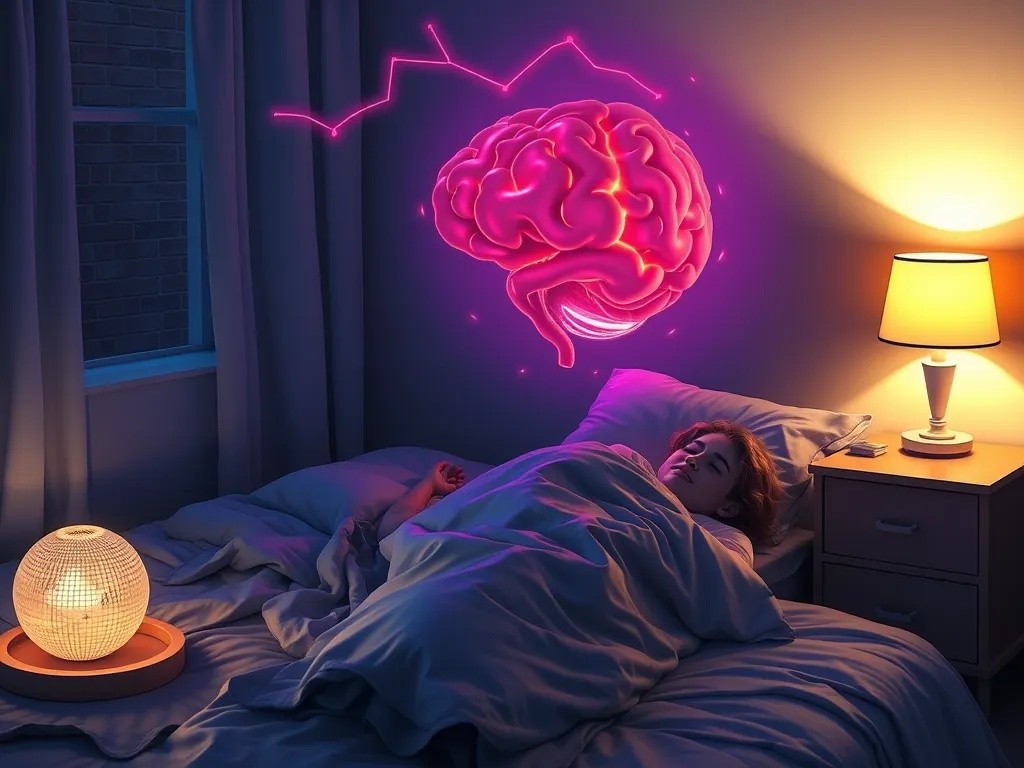
Once the system determines everyone is asleep, it implements a strategic lighting protocol. Rather than immediately plunging the entire house into darkness, which could be disorienting if someone wakes up, the Home Brain uses graduated dimming and maintains safety lighting in key areas.
Progressive Shutdown Sequence
The system follows a logical sequence when managing lights. First, it dims lights in occupied bedrooms to very low levels, providing just enough illumination for safe navigation if needed. Next, it turns off lights in unoccupied rooms like kitchens, living rooms, and home offices. Finally, it maintains subtle pathway lighting in hallways and staircases to prevent accidents during nighttime bathroom trips. Outdoor security lights remain active based on their separate security protocols.
Energy Savings and Environmental Impact
The practical benefits of automated sleep-based lighting control are substantial. Most households waste significant electricity on lights left burning in empty rooms or throughout the night after residents fall asleep watching television or reading. The Home Brain system addresses this inefficiency directly.
Average households report energy savings of fifteen to twenty-five percent on lighting costs alone. Over a year, this can translate to significant financial savings while reducing environmental impact. The system also extends the lifespan of light bulbs by ensuring they operate only when actually needed. For LED bulbs, which already last years under normal use, this can mean decades of service life.
Safety Features and Emergency Overrides
Safety remains the paramount concern with any automated home system. The Home Brain includes multiple safeguards to prevent problems. If smoke or carbon monoxide detectors activate, the system immediately illuminates all pathways to exits. Motion detection overrides allow lights to turn on instantly when someone gets up during the night. Manual switches always work regardless of automation status, giving residents complete control when desired.
Guest Mode and Special Circumstances
The system includes a guest mode that adjusts its behavior when visitors are present. It becomes more conservative about turning off lights and requires more confirmation signals before assuming everyone is asleep. Parents can set rules ensuring children's lights remain on longer or turn on earlier in the morning. Pet owners can configure the system to ignore their animals' movements when determining whether humans are awake.
Future Developments
Current research focuses on integrating sleep quality monitoring into the system. Future versions may adjust lighting colors and intensities throughout the evening to promote better sleep patterns. Integration with smart thermostats could create optimal sleeping environments by coordinating temperature and lighting. Voice assistant integration allows for natural language control and status updates.
The Home Brain system represents a meaningful step toward truly intelligent living spaces that adapt to human needs without requiring constant manual adjustments. By understanding when everyone has fallen asleep and responding appropriately, these systems deliver convenience, savings, and peace of mind to modern households.