

In recent years, there has been a significant advancement in the field of Artificial Intelligence (AI) and Augmented Reality (AR). These technologies have become increasingly popular and have the potential to enhance virtual experiences in various fields such as gaming, education, healthcare, and...
How a Program Helps Farmers Match Wheat Varieties to Soil
8
29.08.2026
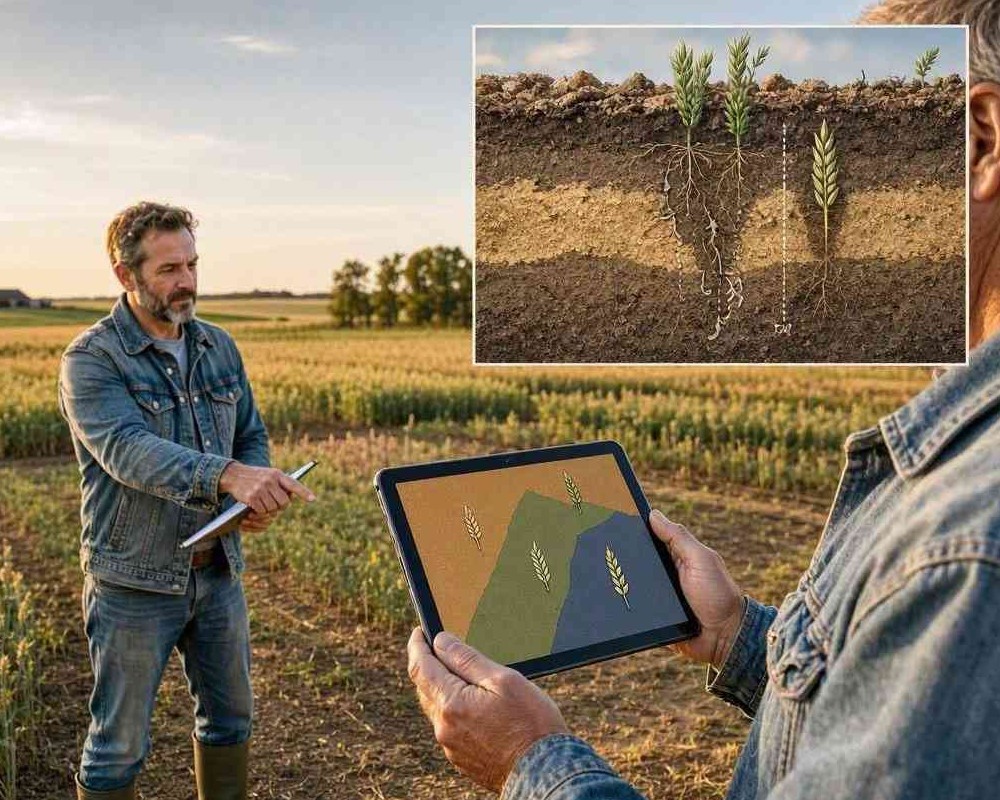
Selecting wheat seed is no longer a decision based only on yield potential or recommendations from neighboring farms. A variety that performs well in deep, fertile loam may struggle in sandy ground, heavy clay, saline fields, or soil with limited water-holding capacity. A wheat variety selection program brings soil test results, local trial data, climate records, and crop characteristics together. It gives farmers a practical shortlist of varieties suited to the conditions in each field.
Why Soil Matters When Choosing Wheat
Soil affects root development, nutrient availability, drainage, moisture retention, and disease pressure. These factors influence how quickly wheat becomes established and how effectively it responds to fertilizer and rainfall. Poorly matched seed can produce uneven stands, weak roots, or disappointing grain quality even when other management practices are sound.
Different Soils Create Different Challenges
Sandy soils usually drain quickly and may lose nutrients through leaching. Varieties with strong early vigor and reliable performance under moisture stress can be valuable in these fields. Heavy clay soils retain more water but may become compacted or waterlogged. Farmers working with clay often need varieties that tolerate slower drainage and establish robust root systems.
Soil pH also plays an important role. Acidic conditions can increase aluminum or manganese toxicity, while alkaline soils may restrict access to phosphorus and micronutrients. Salinity presents another challenge because sensitive wheat varieties may show poor emergence, reduced tillering, and lower yields.
How the Selection Program Works
The program begins with field-specific information rather than a general regional recommendation. Farmers enter soil data and management details, while the system compares those inputs with variety profiles and results from replicated trials. A typical assessment includes:
- Soil texture, pH, organic matter, salinity, and drainage characteristics.
- Expected rainfall, irrigation capacity, temperature patterns, and sowing date.
- Previous crops, residue levels, tillage methods, and known disease risks.
- Target market requirements, including grain protein, milling quality, and maturity.
Turning Test Results Into Useful Rankings
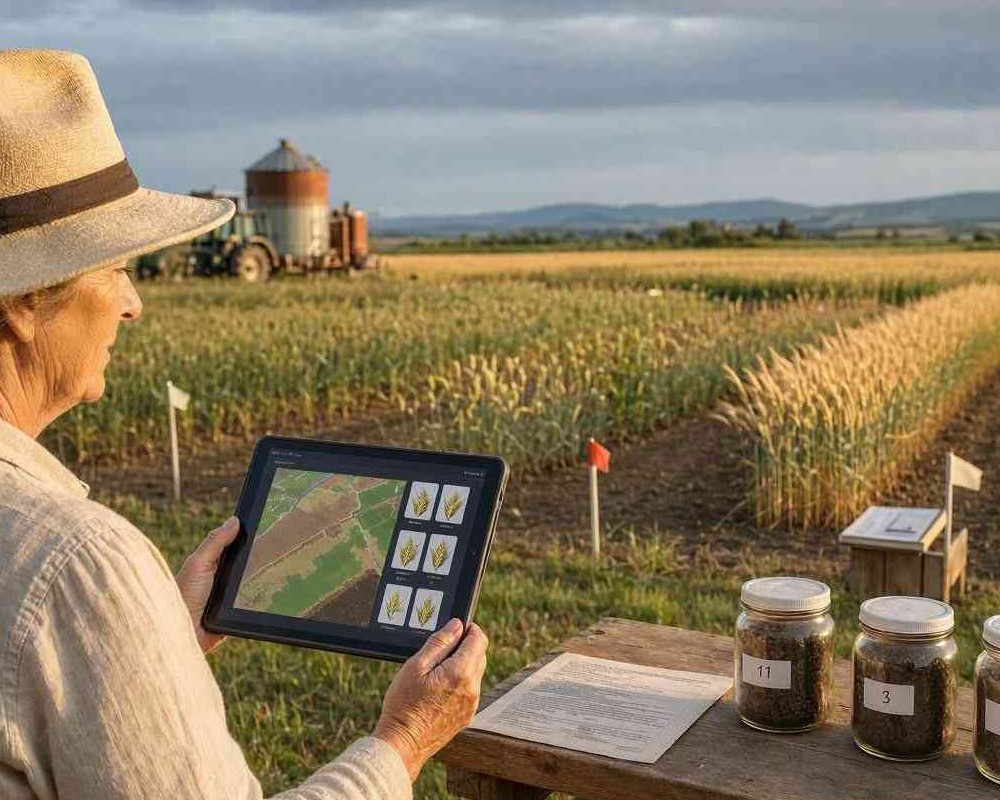
After processing the information, the program ranks suitable wheat varieties according to their likely performance and level of risk. It may highlight one variety for drought tolerance, another for resistance to a common soil-borne disease, and a third for high yield under adequate moisture. This approach does not simply identify the variety with the highest trial yield. It identifies options that have performed consistently under conditions similar to those in the farmer’s field.
Benefits for Farm Productivity
A stronger match between genetics and soil can improve crop establishment and make inputs more effective. Farmers may avoid spending heavily on fertilizer where soil limitations prevent a variety from using nutrients efficiently. They can also reduce the risk of planting seed that is vulnerable to local stresses.
- More reliable yields across variable fields
- Better use of water and fertilizer
- Lower exposure to disease and lodging
- Improved grain quality for target markets
- Clearer comparisons between available varieties
The Program Supports, Rather Than Replaces, Experience
Digital recommendations are most useful when combined with local knowledge. Soil sampling errors, unusual weather, weed competition, and changes in disease pressure can affect results. Farmers should review the suggested varieties with an agronomist, examine current trial reports, and consider planting more than one option. Splitting acreage among varieties with different maturity dates or stress tolerances can protect the farm from a single seasonal threat.
Building a Better Long-Term Variety Strategy
The program becomes more valuable when farmers add harvest results each season. Yield maps, grain quality measurements, disease observations, and notes about lodging help refine future recommendations. Over time, the farm develops its own evidence base for matching wheat genetics to individual soil zones. By treating variety selection as a field-level decision, growers can manage variability more precisely and build a more resilient wheat production system.