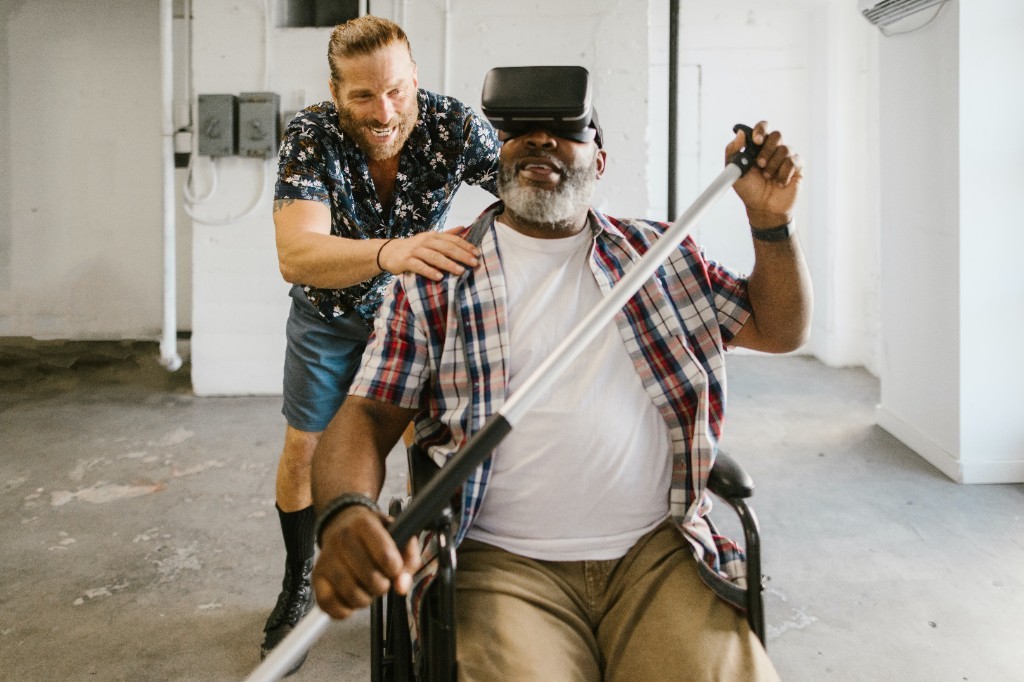

In recent years, there has been a significant advancement in the field of Artificial Intelligence (AI) and Augmented Reality (AR). These technologies have become increasingly popular and have the potential to enhance virtual experiences in various fields such as gaming, education, healthcare, and...
How a Smart Thermometer Can Predict a Cold Before Symptoms Appear
36
02.09.2026
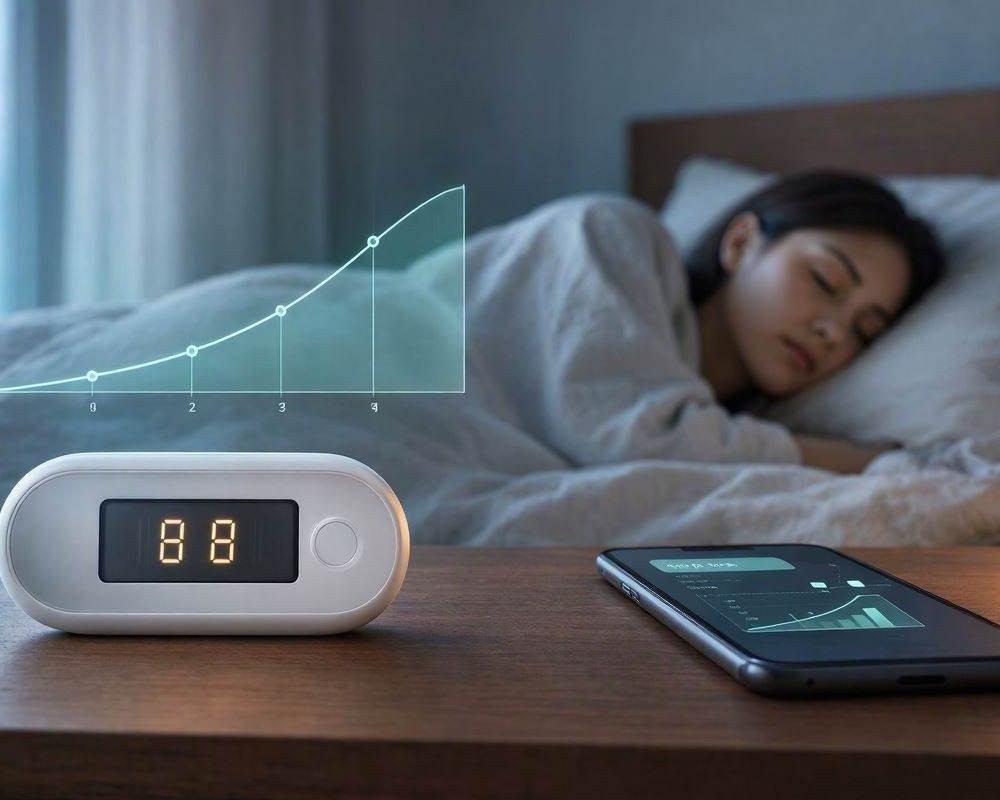
A cold often seems to arrive without warning. One evening a person feels healthy; the next morning brings congestion, fatigue, and a sore throat. However, the immune system begins responding to a respiratory virus before those symptoms become noticeable. A smart thermometer may detect the resulting subtle temperature changes and alert the user that an illness could be developing.
Unlike a conventional thermometer, which provides a single reading, a connected device can record measurements over time. Software then compares new data with the user’s normal temperature pattern. This personalized approach may reveal small but meaningful deviations that would otherwise go unnoticed.
How Early Cold Detection Works
Body temperature is not fixed at 98.6°F or 37°C. It changes throughout the day in response to sleep, physical activity, hormones, meals, stress, and environmental conditions. Because normal temperature differs between individuals, one isolated measurement has limited predictive value. Repeated readings create a baseline that is more useful for identifying unusual changes.
Continuous Data Reveals Subtle Trends
Some smart thermometers require manual readings, while wearable models monitor skin temperature during sleep or throughout the day. A predictive system can examine several signals, including:
- A sustained increase above the user’s personal baseline
- Changes in the usual overnight temperature pattern
- Several mildly elevated readings in succession
- Temperature shifts combined with altered heart rate or sleep
A small rise may occur before a person recognizes classic cold symptoms. If the pattern resembles data associated with previous infections, the application can generate an early wellness notification.
Machine Learning Adds Context
Advanced devices use algorithms to distinguish potentially significant changes from ordinary variation. The model may consider the time of day, recent activity, menstrual cycle, sleep quality, and ambient temperature. With permission, it can also analyze historical health information. The more accurately the system understands an individual’s baseline, the more relevant its alerts may become.
What an Early Warning Can Achieve
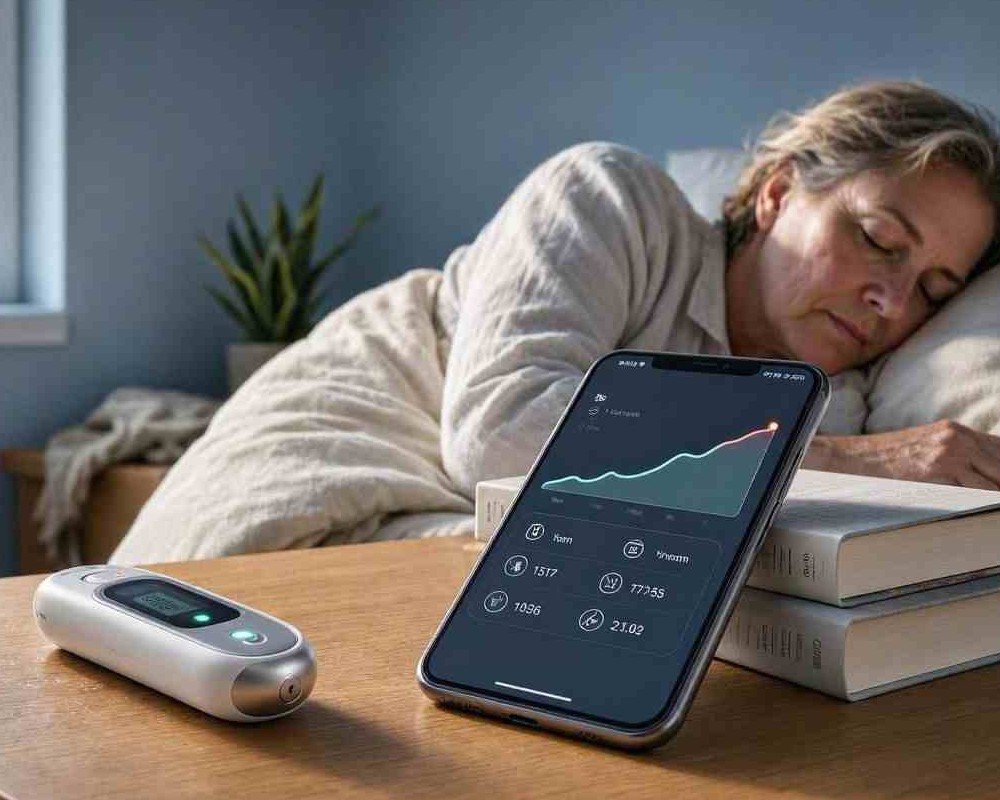
A predictive notification does not prevent infection, but it can encourage timely precautions. A user who receives an alert may prioritize rest, drink enough fluids, reduce intense exercise, and monitor for emerging symptoms. Early awareness can also help protect other people.
Practical Steps After an Alert
- Confirm the reading with a reliable oral or ear thermometer.
- Watch for congestion, cough, sore throat, chills, or unusual fatigue.
- Limit close contact with vulnerable relatives or colleagues.
- Consider testing when symptoms could indicate influenza or COVID-19.
- Contact a clinician if concerning symptoms or a persistent fever develop.
These actions are especially useful in shared homes, workplaces, schools, and care settings, where respiratory viruses can spread quickly.
Accuracy, Privacy, and Medical Limitations
Temperature changes are not specific to the common cold. Poor sleep, alcohol, strenuous exercise, medication, hormonal changes, vaccination, and other infections can produce similar patterns. Skin-temperature sensors are also affected by room conditions and device placement. For these reasons, an alert should be treated as an indication to pay attention, not as a diagnosis.
Choosing a Reliable Smart Thermometer
Consumers should look for transparent accuracy information, secure data handling, clear privacy controls, and guidance about correct sensor placement. A useful product should explain why an alert was generated and allow users to review trends rather than presenting an unexplained risk score. Regulatory status should also be checked if the manufacturer makes medical claims.
The Future of Predictive Home Health
Smart thermometers demonstrate how everyday health devices are moving from occasional measurement to personalized forecasting. When temperature trends are combined responsibly with sleep, heart rate, and symptom data, they may provide valuable notice that the body is under stress. They cannot identify every cold or replace professional care, but they can turn an easily overlooked biological signal into an opportunity for earlier, more informed action.