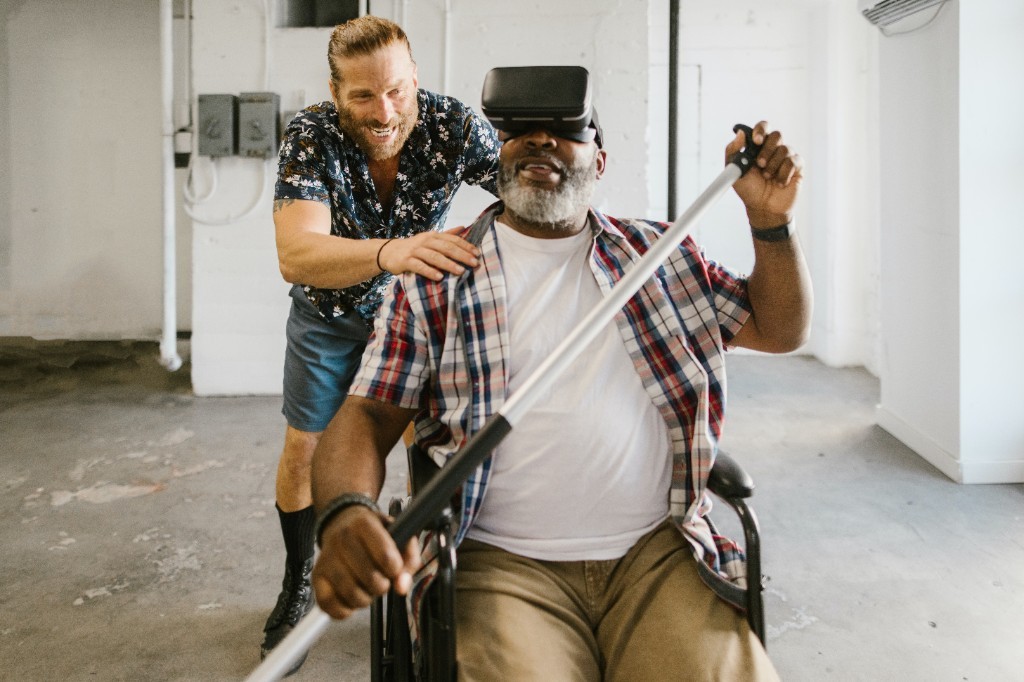
In recent years, there has been a significant advancement in the field of Artificial Intelligence (AI) and Augmented Reality (AR). These technologies have become increasingly popular and have the potential to enhance virtual experiences in various fields such as gaming, education, healthcare, and...
How AI Analyzes Security Camera Footage and Identifies Suspicious Behavior
80
22.10.2026
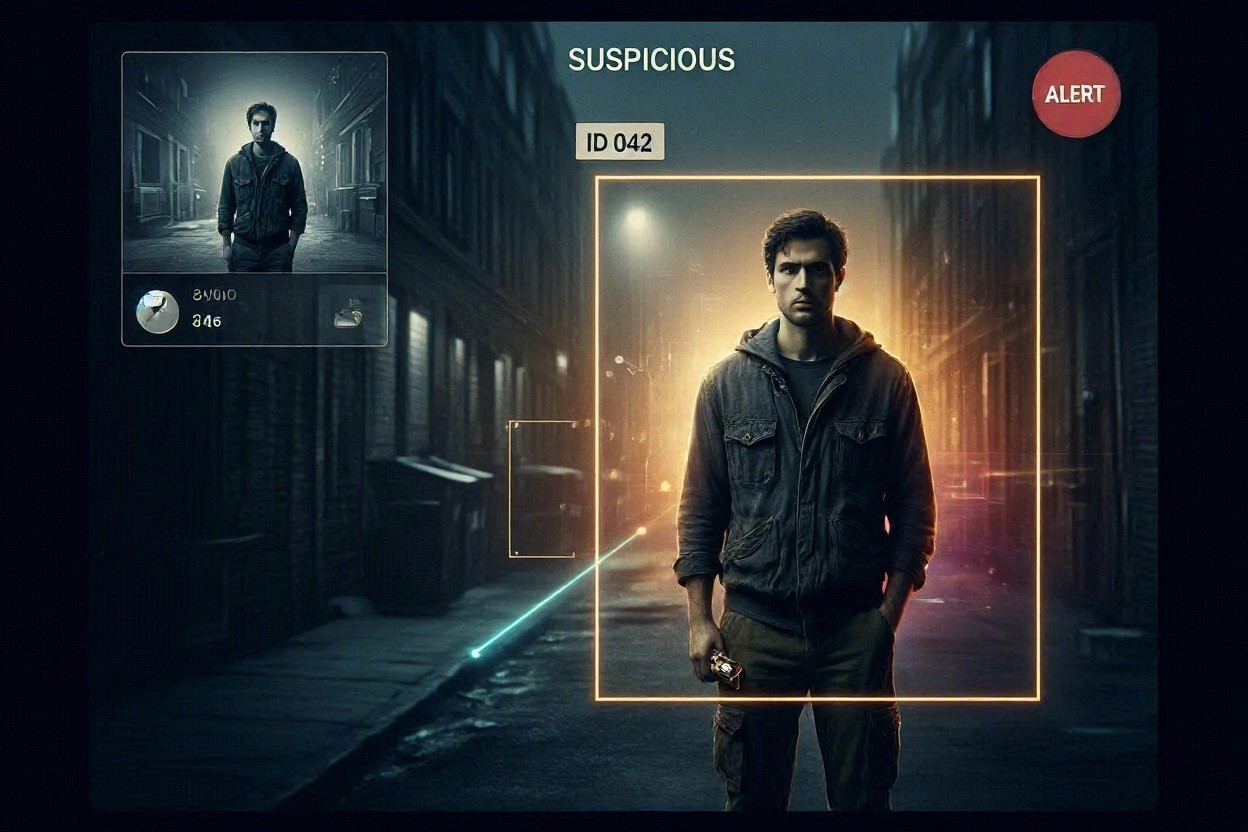
Security cameras are no longer passive recording devices. With artificial intelligence, video surveillance systems can now analyze live and archived footage, recognize patterns, and alert security teams when behavior appears unusual or potentially dangerous. This shift is changing how businesses, public spaces, residential communities, and critical infrastructure protect people and property.
What AI Video Analytics Actually Does
AI-powered surveillance uses computer vision and machine learning to interpret what is happening in a video stream. Instead of simply storing hours of footage, the system examines movement, objects, posture, direction, timing, and context. It can distinguish between ordinary activity, such as a customer walking through a store, and behavior that may require attention, such as loitering near a restricted entrance.
From Motion Detection to Behavior Understanding
Traditional motion detection reacts to pixel changes. This often leads to false alarms caused by shadows, rain, animals, or moving branches. AI analytics goes further by identifying people, vehicles, bags, and other objects, then evaluating their behavior over time. The result is a more intelligent and selective approach to security monitoring.
Common Types of Suspicious Behavior AI Can Detect
The exact capabilities depend on the system, camera placement, and training data, but modern AI security platforms can detect a wide range of risk indicators. These alerts help operators focus on events that matter instead of watching dozens of screens continuously.
- Loitering near entrances, exits, ATMs, warehouses, or restricted areas
- Unauthorized access across virtual boundaries or perimeter lines
- People moving against normal traffic flow in airports, stations, or offices
- Abandoned objects in public areas or transport hubs
- Unusual crowd formation, running, panic movement, or sudden dispersal
- Vehicles stopping in prohibited zones or entering restricted lanes
- After-hours presence inside buildings, parking lots, or construction sites
Context Is Critical
AI does not judge suspicious behavior based on a single action alone. A person standing still may be normal in a lobby but concerning near a locked loading dock at midnight. Strong systems combine location, time of day, object type, movement pattern, and predefined security rules to reduce unnecessary alerts.
How the Technology Works Behind the Scenes
AI video analytics typically begins with object detection. The system identifies people, vehicles, animals, and items in each frame. It then tracks these objects across multiple frames to understand movement and duration. Behavioral models compare the activity with expected patterns and trigger alerts when predefined thresholds are crossed.
Real-Time Alerts and Automated Workflows
When suspicious behavior is detected, the system can notify guards, control rooms, or mobile devices instantly. Some platforms also integrate with access control, alarms, speakers, and incident management tools. For example, if someone enters a fenced area after business hours, the AI may send a video clip to security staff, activate lighting, and log the event automatically.

Benefits for Businesses and Security Teams
The main value of AI surveillance is not replacing human security professionals, but making them more effective. Human operators become tired, especially when monitoring multiple screens for long periods. AI can review continuous footage without distraction and highlight only relevant moments.
- Faster response: Real-time alerts help teams intervene before incidents escalate.
- Lower false alarm rates: Intelligent filtering reduces noise from harmless motion.
- Better evidence: Tagged video events make investigations faster and more accurate.
- Operational insight: Analytics can reveal traffic patterns, bottlenecks, and safety risks.
- Scalability: Large sites can monitor hundreds of cameras more efficiently.
Privacy, Accuracy, and Ethical Considerations
Using AI to analyze camera footage requires responsible governance. Organizations should define clear purposes, limit data access, store footage only as long as necessary, and comply with applicable privacy laws. Transparency is also important: employees, visitors, or residents should understand where surveillance is used and why.
Avoiding Bias and Misuse
AI systems can make mistakes if they are trained on limited data or deployed in unsuitable environments. Poor lighting, camera angles, crowded scenes, and unusual clothing can affect performance. Regular testing, human review, and careful configuration are essential. Suspicious behavior alerts should support decision-making, not serve as automatic proof of wrongdoing.
Best Practices for Implementation
Before deploying AI video analytics, organizations should identify their most important risks. A retail store may focus on theft prevention and after-hours entry, while a logistics center may prioritize perimeter breaches and vehicle movement. Camera placement, image quality, and network reliability are just as important as the AI software itself.
- Use high-quality cameras with appropriate resolution and lighting
- Define clear alert rules for each monitored area
- Review false positives and adjust sensitivity over time
- Train security staff to verify alerts quickly and professionally
- Document policies for data access, retention, and incident response
The Future of AI in Video Surveillance
AI security camera analytics will continue to become more accurate, contextual, and integrated with broader safety systems. Future solutions may combine video with audio sensors, access logs, environmental data, and emergency communication platforms. The most effective deployments will balance automation with human judgment, improving security while respecting privacy and fairness.
When implemented thoughtfully, AI that analyzes security camera footage can transform surveillance from reactive recording into proactive protection. It helps detect suspicious behavior sooner, reduces operator overload, and gives organizations the information they need to respond with confidence.