
In recent years, there has been a significant advancement in the field of Artificial Intelligence (AI) and Augmented Reality (AR). These technologies have become increasingly popular and have the potential to enhance virtual experiences in various fields such as gaming, education, healthcare, and...
How an Algorithm Determines the Optimal Posting Time for Each Social Media Platform
12
08.11.2026
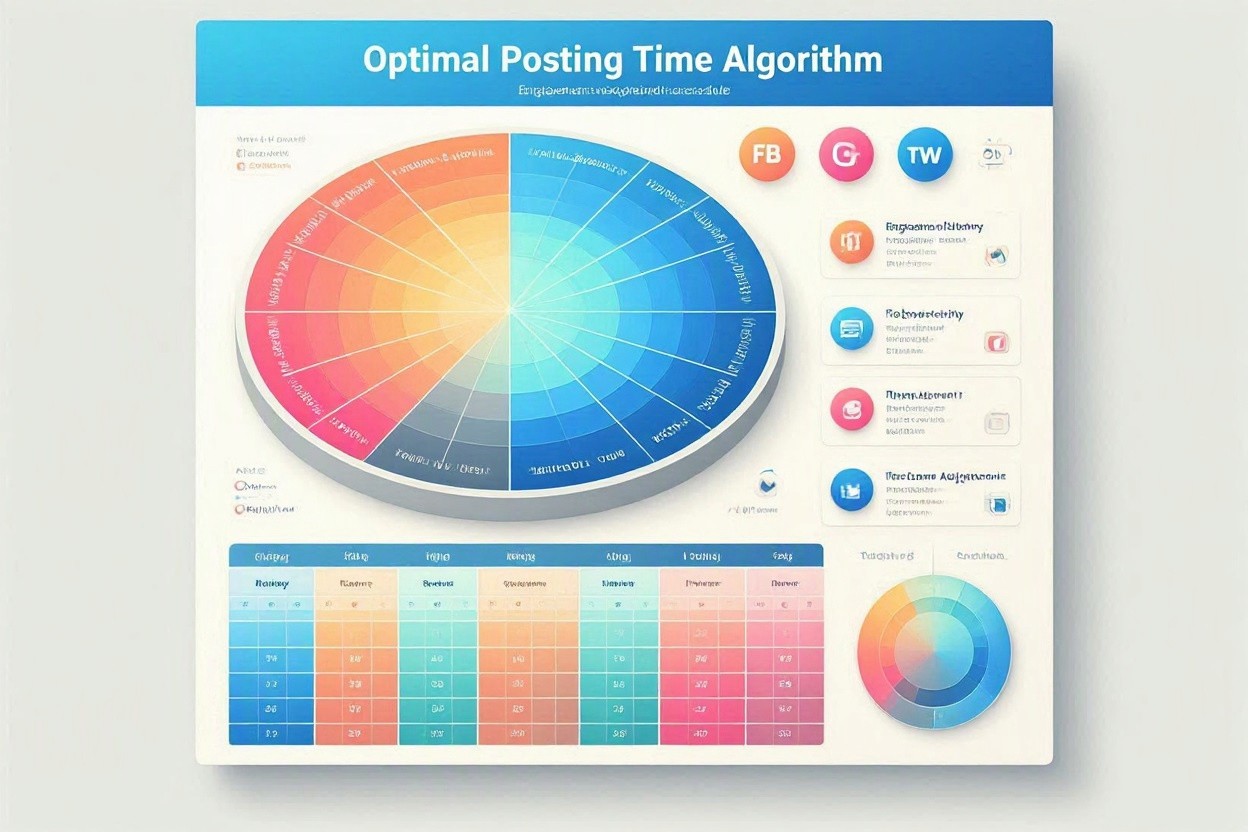
Posting at the right moment can turn an average piece of content into a high-performing one. Yet the “best time to post” is no longer a universal rule such as Tuesday at 10 a.m. Each social media platform has its own user habits, content formats, ranking signals, and audience rhythms. A smart algorithm can analyze these differences and identify the optimal posting time for every channel based on real data rather than guesswork.
Why Posting Time Still Matters
Modern social feeds are algorithmic, not strictly chronological, but timing still influences early engagement. When a post receives clicks, comments, saves, shares, or watch time soon after publication, the platform may interpret it as relevant and distribute it to more users. Posting when the target audience is active increases the chance of that initial momentum.
However, activity patterns vary significantly. LinkedIn users may engage during workday breaks, Instagram audiences may be active in the evening, and TikTok content can gain traction hours after publication. That is why platform-specific timing is essential.
What Data the Algorithm Uses
Audience Activity Signals
The first layer of analysis is audience availability. The algorithm studies when followers are online, when they scroll, and when they historically interact with content. This includes time zones, weekdays versus weekends, seasonal changes, and differences between new and returning followers.
Historical Engagement Metrics
Past performance is one of the strongest indicators. The algorithm reviews previous posts and compares publication time with engagement outcomes such as:
- Impressions and reach
- Click-through rate
- Comments, reactions, and shares
- Video completion rate
- Saves and profile visits
- Conversions or leads, when available
Instead of looking only at the highest number of likes, a quality algorithm weighs metrics according to the business goal. For example, a B2B company may prioritize link clicks and qualified leads, while a creator may value watch time and shares.
Platform-Specific Behavior
Each platform rewards different signals. On LinkedIn, meaningful comments and professional relevance often matter. On Instagram, saves, shares, and fast engagement can be important. On TikTok, watch time and retention are major indicators. On X, timing can be especially sensitive because conversations move quickly. The algorithm must adapt its scoring model to each platform rather than applying one formula everywhere.
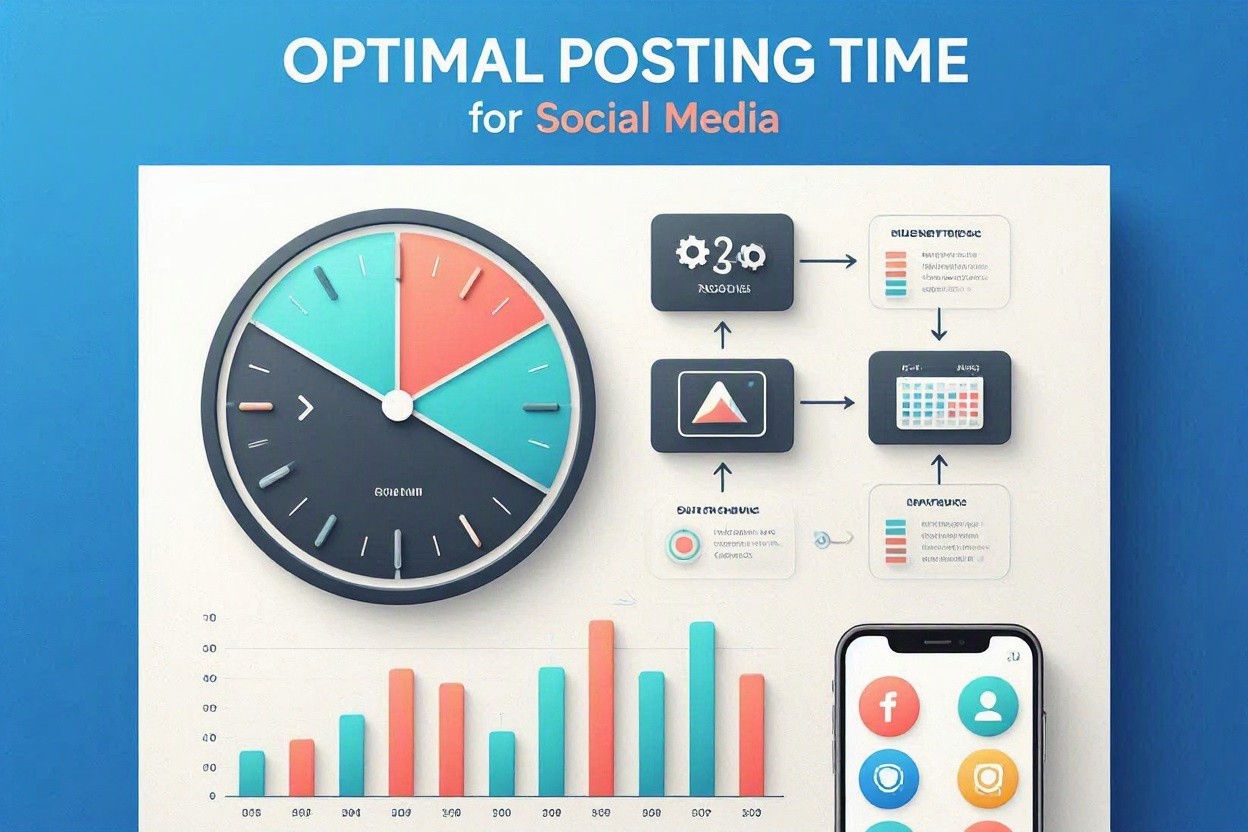
How the Algorithm Finds the Best Time
Step 1: Segment the Audience
The algorithm separates the audience into useful groups, such as region, language, device type, buyer stage, or engagement level. This prevents misleading averages. If half of the audience is in New York and the other half is in London, a single “best time” may fail both groups. Segmentation reveals more precise posting windows.
Step 2: Score Time Slots
Next, the algorithm divides the week into time blocks, often by hour or half hour. Each slot receives a score based on predicted engagement, competition level, audience activity, and historical results. A strong slot is not only when people are online, but when they are likely to take the desired action.
Step 3: Test and Learn
No algorithm should rely only on historical data. Content strategy changes, audiences grow, and platform algorithms evolve. The system should run controlled tests across different posting windows, compare outcomes, and update recommendations. Over time, the model becomes more accurate because it learns from fresh behavior.
Best Practices for Using Posting-Time Algorithms
An optimal-time algorithm is most effective when paired with strong content and a clear strategy. Timing can improve distribution, but it cannot rescue irrelevant content. Marketers should use algorithmic recommendations as a decision-support tool, not as a replacement for editorial judgment.
- Define the main goal for each platform before measuring success.
- Analyze each social network separately.
- Review recommendations monthly, not once a year.
- Consider time zones when scheduling global campaigns.
- Compare performance by content type, such as video, carousel, or text post.
Common Mistakes to Avoid
One common mistake is copying generic industry benchmarks without checking audience data. Another is choosing a posting time based only on when followers are online. High activity can also mean high competition. The best window may be slightly before peak activity, allowing the post to gain early engagement before the feed becomes crowded.
It is also risky to optimize for vanity metrics alone. A time slot that produces many likes may not generate website visits, subscribers, or sales. The algorithm should align timing recommendations with meaningful outcomes.
Conclusion
An algorithm determines the optimal posting time for each social media platform by combining audience activity, historical engagement, platform-specific ranking signals, and ongoing testing. The result is a data-driven schedule tailored to how real users behave. For brands, creators, and marketers, this approach transforms posting from guesswork into a measurable competitive advantage.