
In recent years, there has been a significant advancement in the field of Artificial Intelligence (AI) and Augmented Reality (AR). These technologies have become increasingly popular and have the potential to enhance virtual experiences in various fields such as gaming, education, healthcare, and...
How Soil Analysis Software Helps Farmers Decide What to Plant Next Season
80
02.11.2026
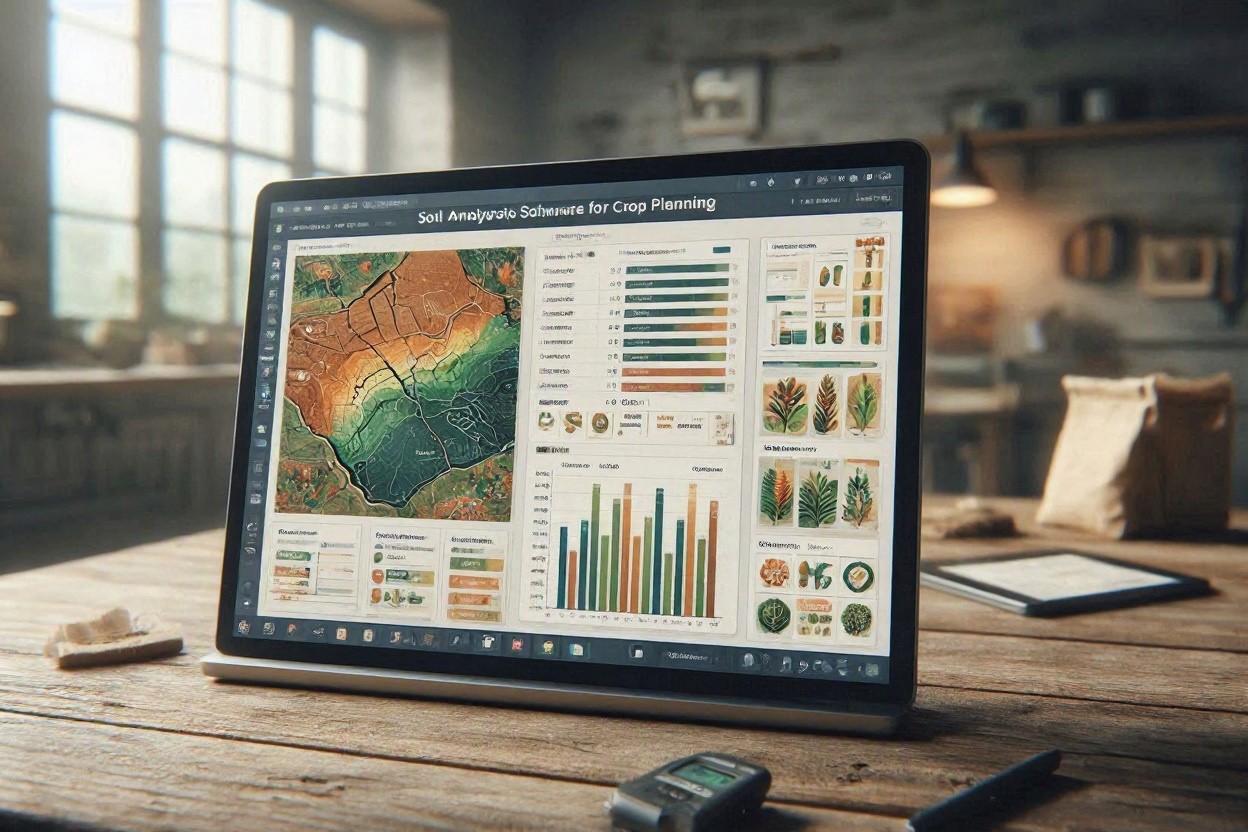
Choosing the next crop is no longer based only on tradition, market prices, or a farmer’s instinct. Modern soil analysis software can examine field conditions, interpret laboratory and sensor data, and recommend what to plant next season with far greater precision. For farms facing volatile weather, rising input costs, and pressure to protect soil health, this type of program has become a practical decision-making tool.
What the Program Analyzes in the Field
A reliable crop recommendation starts with accurate soil information. The program collects or imports data from soil tests, field sensors, satellite imagery, yield maps, and farm records. Instead of looking at one nutrient level in isolation, it evaluates how multiple factors interact across the field.
Key Soil Indicators
The most important indicators usually include pH, organic matter, nitrogen, phosphorus, potassium, calcium, magnesium, sulfur, micronutrients, salinity, compaction, drainage, and soil texture. A field with high potassium but poor pH, for example, may still limit nutrient uptake. Software can detect these relationships and turn complex measurements into usable recommendations.
Historical Performance Data
Many programs also analyze previous crop yields, fertilizer applications, irrigation patterns, disease pressure, and residue levels. This helps identify whether a field is improving, declining, or simply responding to short-term weather. Over several seasons, the software can reveal patterns that are difficult to see from a single soil report.
How Crop Recommendations Are Made
After the data is processed, the program compares soil conditions with the agronomic requirements of different crops. It may rank crops by suitability, expected yield, nutrient demand, rotation value, disease risk, and estimated profitability. The goal is not only to identify what can grow, but what should grow next for the best long-term outcome.
Matching Crops to Soil Conditions
For example, if a field has low nitrogen but strong phosphorus and good moisture retention, the software may recommend a legume crop that supports biological nitrogen fixation. If the soil is compacted and low in organic matter, it may suggest a cover crop with deep roots before returning to a cash crop. In acidic soils, it may warn that certain crops will underperform unless lime is applied first.
Balancing Profit and Soil Health
The best systems do not focus only on maximum short-term yield. They also consider rotation diversity, pest cycles, nutrient removal, erosion risk, and soil structure. A crop that looks profitable on paper may be a poor choice if it increases disease pressure or drains key nutrients. A well-designed recommendation balances revenue with resilience.
Practical Benefits for Farmers
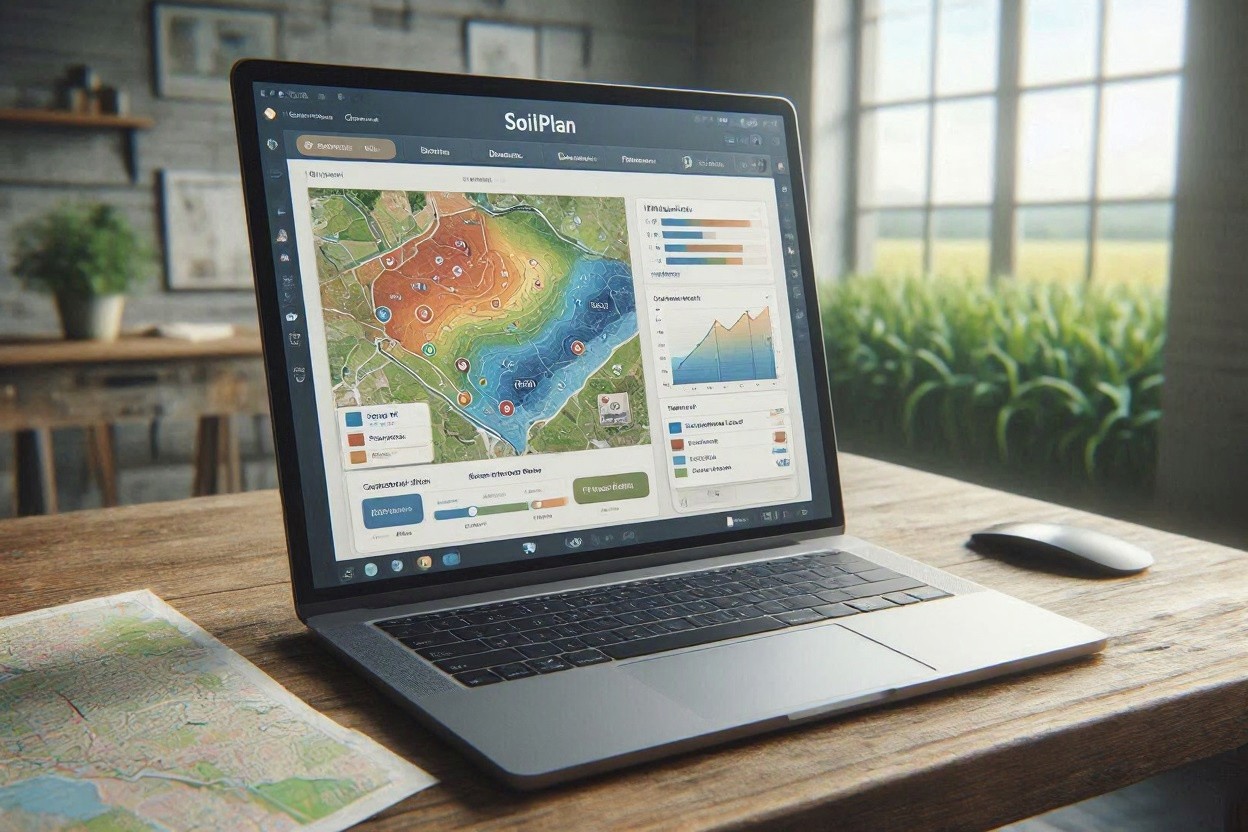
Using a soil analysis program can improve both agronomic planning and financial control. Instead of applying the same fertilizer rate across every field, farmers can adjust inputs based on actual need. This reduces waste, supports environmental compliance, and helps protect margins when fertilizer prices are high.
- More accurate crop selection for each field or management zone
- Better fertilizer planning and reduced nutrient losses
- Improved crop rotation decisions and lower pest pressure
- Early identification of pH, salinity, or compaction problems
- Stronger long-term soil fertility and yield stability
From Soil Data to an Action Plan
A recommendation is useful only when it leads to action. Most programs generate a field report that includes crop options, nutrient corrections, amendment suggestions, and risk notes. Some platforms connect directly to variable-rate application equipment, allowing farmers to turn analysis into precise field operations.
Typical Workflow
- Collect soil samples or import sensor and lab data.
- Map the field into zones based on soil and yield variability.
- Analyze nutrient status, pH, moisture, and limiting factors.
- Compare crop options against soil conditions and rotation history.
- Create a planting, fertilization, and amendment plan for the next season.
What to Look for in Soil Analysis Software
Not every program offers the same level of accuracy. Farmers should look for tools that allow local calibration, support regional crop varieties, integrate laboratory results, and explain why a recommendation is being made. Transparent agronomic logic is important; the software should not be a black box.
It is also valuable when the platform includes weather data, economic estimates, and scenario planning. A farmer might compare corn, soybeans, wheat, and a cover crop mix under different fertilizer prices or rainfall assumptions. This makes the recommendation more flexible and realistic.
The Future of Crop Planning
As artificial intelligence, remote sensing, and on-farm sensors improve, soil analysis programs will become even more predictive. Future systems may forecast nutrient availability, disease risk, and water stress before planting begins. They may also recommend regenerative practices that maintain profitability while rebuilding soil biology.
Still, software should support, not replace, agronomic judgment. The best results come when digital recommendations are reviewed alongside local knowledge, field scouting, and professional advice. When used correctly, a program that analyzes field soil and advises what to plant next season can help farmers make smarter, more sustainable decisions from the ground up.