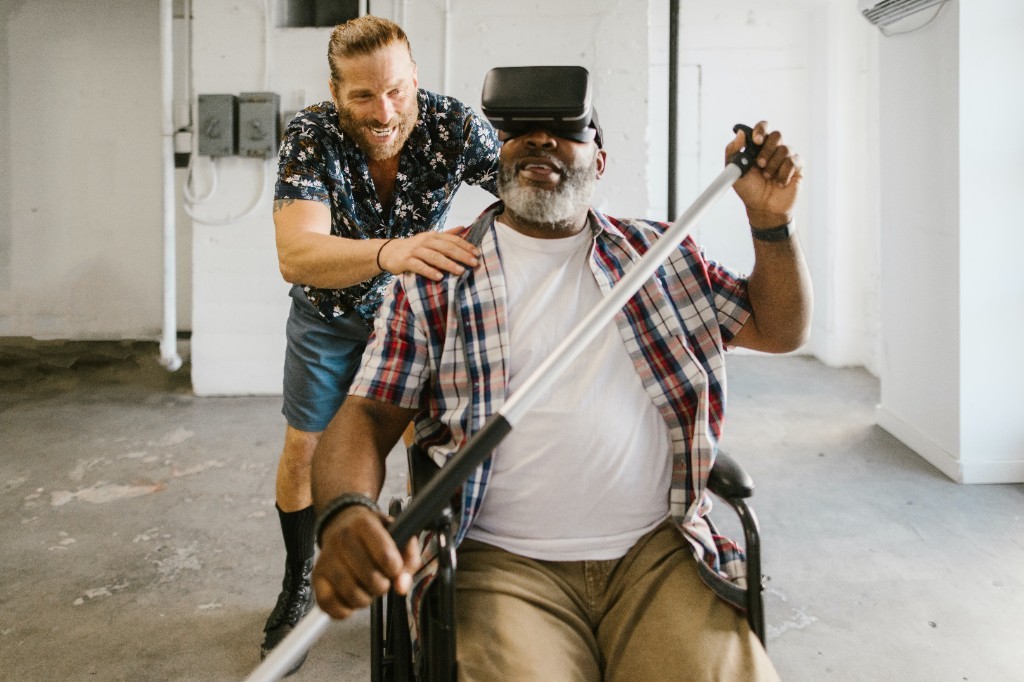

In recent years, there has been a significant advancement in the field of Artificial Intelligence (AI) and Augmented Reality (AR). These technologies have become increasingly popular and have the potential to enhance virtual experiences in various fields such as gaming, education, healthcare, and...
Neural Network Detects Diseases by Changes in Human Gait
450
09.04.2026

The Human Gait as a Health Indicator
The way a person walks may reveal much more than simple movement patterns. Medical researchers have long known that many diseases affect human gait. Changes in walking speed, balance, step length, or rhythm can signal neurological disorders, musculoskeletal problems, or even cognitive decline.
Traditionally, doctors evaluate a patient’s gait through observation and physical examination. However, subtle changes may be difficult to detect with the human eye, especially in early stages of disease. Modern artificial intelligence technologies are now helping researchers identify these patterns more accurately.
Neural networks, a type of artificial intelligence designed to recognize complex patterns in data, can analyze how people move and detect potential health issues based on small variations in their walking style.
How Neural Networks Analyze Walking Patterns
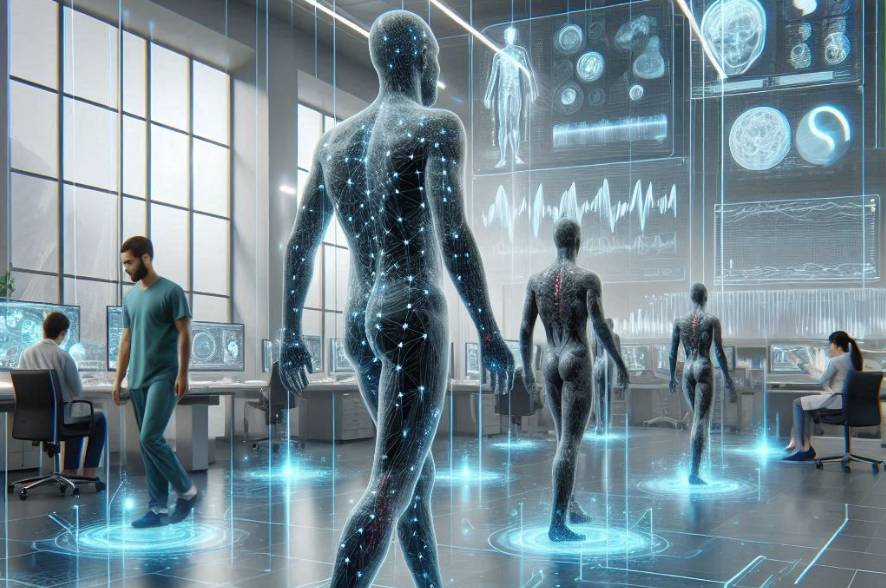
To analyze human gait, neural networks process large datasets of walking recordings. These recordings may come from video cameras, wearable motion sensors, or specialized medical equipment that measures body movement.
The system studies thousands of examples of both healthy individuals and patients diagnosed with specific medical conditions. By comparing these datasets, the neural network learns to identify patterns associated with particular diseases.
Data Collected for Gait Analysis
- Walking speed and stride length
- Balance and posture stability
- Foot pressure distribution
- Joint movement angles
- Rhythm and coordination of steps
Even very small irregularities in these parameters can be indicators of health problems. Because neural networks can process large volumes of data simultaneously, they can detect patterns that would otherwise remain unnoticed.
Diseases That Can Be Detected Through Gait
Several medical conditions influence the way people walk. Neural network systems are being trained to identify these diseases by analyzing movement patterns captured in clinical or everyday environments.
Examples of Conditions Associated with Gait Changes
- Parkinson’s disease
- Multiple sclerosis
- Early-stage dementia
- Stroke recovery complications
- Arthritis and joint disorders
For example, Parkinson’s disease often causes shorter steps, reduced arm movement, and slower walking speed. AI systems can detect these subtle changes earlier than traditional diagnostic methods, potentially enabling faster medical intervention.
Role of Wearable Technology
Wearable devices are playing an important role in expanding the capabilities of AI-based gait analysis. Smart watches, fitness trackers, and specialized medical sensors can continuously collect motion data as people go about their daily activities.
This data is transmitted to neural network systems that monitor patterns over time. Continuous monitoring provides more accurate insights than short clinical examinations because it captures real-life movement behavior.
Technologies Used in AI Gait Monitoring
- Motion sensors embedded in wearable devices
- Smartphone cameras for movement analysis
- Pressure-sensitive smart insoles
- Machine learning algorithms for pattern recognition
- Cloud-based health monitoring platforms
These technologies allow healthcare systems to collect valuable information without requiring patients to visit medical facilities frequently.
Benefits of AI-Based Early Diagnosis
Early detection of disease is one of the most important goals in modern medicine. When conditions are diagnosed at an early stage, treatment can often be more effective and less invasive.
AI-powered gait analysis offers several advantages for early diagnosis. Because the system continuously monitors movement patterns, it can detect gradual changes long before symptoms become obvious.
- Early identification of neurological disorders
- Continuous monitoring without hospital visits
- Objective measurement instead of subjective observation
- Improved tracking of treatment progress
- Potential reduction in healthcare costs
These benefits make neural network gait analysis an attractive tool for both doctors and patients.
The Future of AI in Medical Diagnostics
The use of neural networks in healthcare is rapidly expanding. In addition to gait analysis, artificial intelligence is already being used to detect diseases from medical images, analyze speech patterns, and monitor vital signs.
Future systems may combine several diagnostic signals at once. For example, an AI health platform could analyze walking patterns, voice changes, facial expressions, and heart rate data simultaneously. By combining multiple sources of information, the system could generate highly accurate predictions about a person’s health.
While artificial intelligence will not replace medical professionals, it can serve as a powerful diagnostic assistant. By identifying early warning signs of disease, neural networks may help doctors provide faster and more effective treatment.
As research continues, the simple act of walking may become an important indicator of health that can be monitored automatically through intelligent technology.