In recent years, there has been a significant advancement in the field of Artificial Intelligence (AI) and Augmented Reality (AR). These technologies have become increasingly popular and have the potential to enhance virtual experiences in various fields such as gaming, education, healthcare, and...
Neural Network Recreates Scents of Flowers That Went Extinct Centuries Ago: Smelling the Past
941
04.02.2026
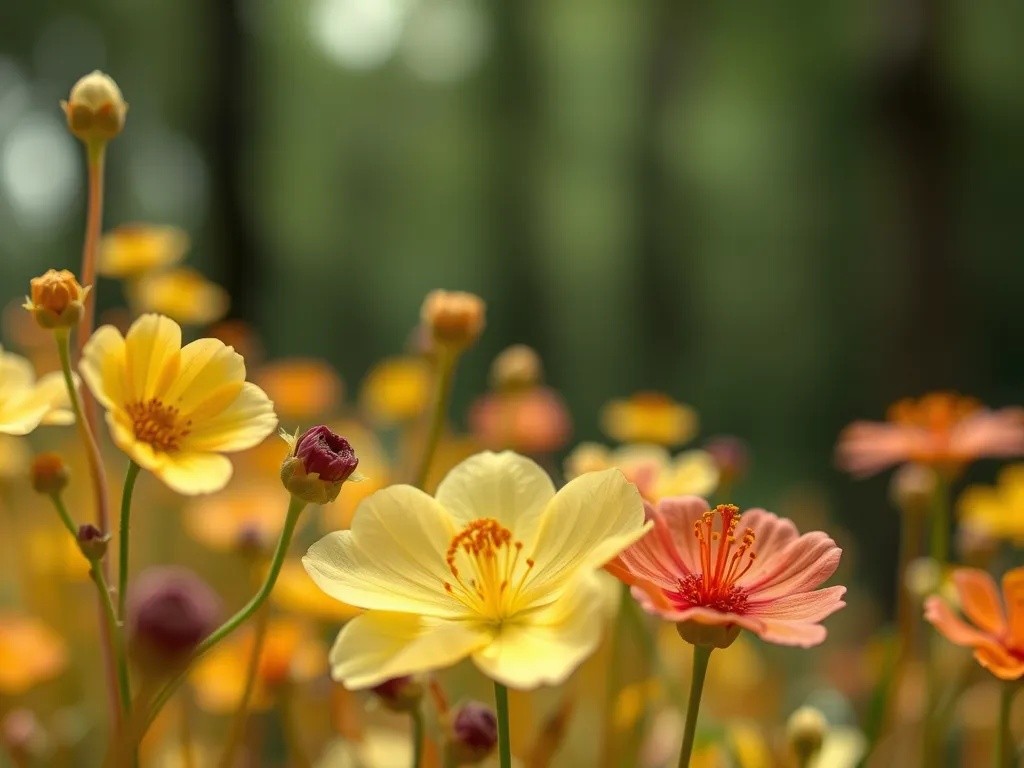
In a remarkable fusion of artificial intelligence, chemistry, and botanical history, researchers have successfully used neural networks to recreate the scents of flowers that disappeared from Earth centuries ago. This groundbreaking achievement allows modern humans to experience fragrances that no living person has ever smelled, opening extraordinary new possibilities for science, perfumery, and our understanding of botanical history.
The Science of Scent Recreation
The project began with an ambitious question: could artificial intelligence help us smell the past? Researchers assembled an interdisciplinary team including botanists, chemists, historians, and machine learning specialists to tackle this unprecedented challenge.
Building the Training Dataset
The neural network required extensive training data connecting plant characteristics to their chemical scent compositions. Scientists compiled information from thousands of existing flower species, creating detailed profiles that included:
- Genetic information and evolutionary relationships
- Physical characteristics such as petal structure and color
- Environmental conditions and native habitats
- Chemical compositions of volatile organic compounds
- Pollinator relationships and ecological functions
Training the Neural Network
Using this comprehensive dataset, researchers trained a deep learning model to identify patterns connecting botanical characteristics to scent chemistry. The algorithm learned to predict which chemical compounds a flower would likely produce based on its other known properties.
Resurrecting Lost Fragrances
With the trained model ready, the team turned to extinct species. Using preserved specimens from museum collections, historical botanical illustrations, written descriptions from naturalists, and genetic material extracted from herbarium samples, they fed information about vanished flowers into the neural network.
From Prediction to Reality
The algorithm generated predicted chemical compositions for each extinct species. Chemists then synthesized these compounds in the laboratory, carefully blending them in the proportions suggested by the artificial intelligence. The result: physical fragrances representing flowers that bloomed for the last time hundreds of years ago.
Species Successfully Recreated
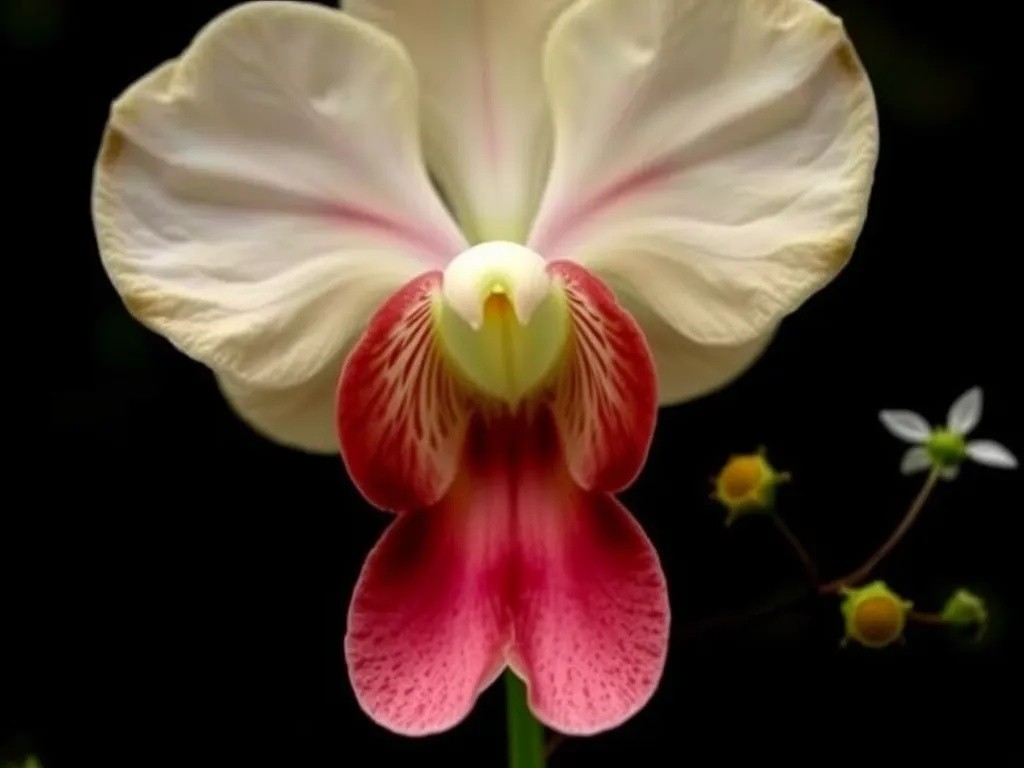
Among the extinct flowers whose scents have been resurrected are several species that disappeared due to habitat destruction, climate changes, or human activity. Each recreation offers unique olfactory experiences ranging from subtle and delicate to surprisingly intense and complex.
Botanical historians have expressed astonishment at being able to experience these fragrances firsthand. Some scents match historical written descriptions with remarkable accuracy, providing validation for both the technology and the observational skills of long-dead naturalists.
Applications and Future Possibilities
The implications of this technology extend far beyond academic curiosity. The perfume industry has shown intense interest in accessing unique scent profiles unavailable from any living plant. Museums are exploring the possibility of multisensory exhibitions that would allow visitors to smell historical gardens and landscapes.
Conservation Applications
Perhaps most importantly, the technology could aid conservation efforts by helping scientists understand what we have lost and what we risk losing. By recreating scents of recently extinct species, researchers can better appreciate the full sensory richness of ecosystems and communicate the importance of biodiversity preservation.
Limitations and Ongoing Research
Scientists acknowledge that their recreations are predictions rather than certainties. Without the ability to verify against actual extinct flowers, some degree of uncertainty will always remain. Nevertheless, the consistency of results with historical records suggests the approach has genuine validity.
As this technology matures, we may soon experience an ever-growing catalog of lost fragrances, bringing us closer to understanding the full sensory world our ancestors inhabited and reminding us of the precious biodiversity that continues to disappear from our planet.