

In recent years, there has been a significant advancement in the field of Artificial Intelligence (AI) and Augmented Reality (AR). These technologies have become increasingly popular and have the potential to enhance virtual experiences in various fields such as gaming, education, healthcare, and...
Pharmaceutical Authentication: AI Algorithm Detecting Counterfeit Medicines in Pharmacies
1092
08.03.2026
The Global Counterfeit Medicine Crisis
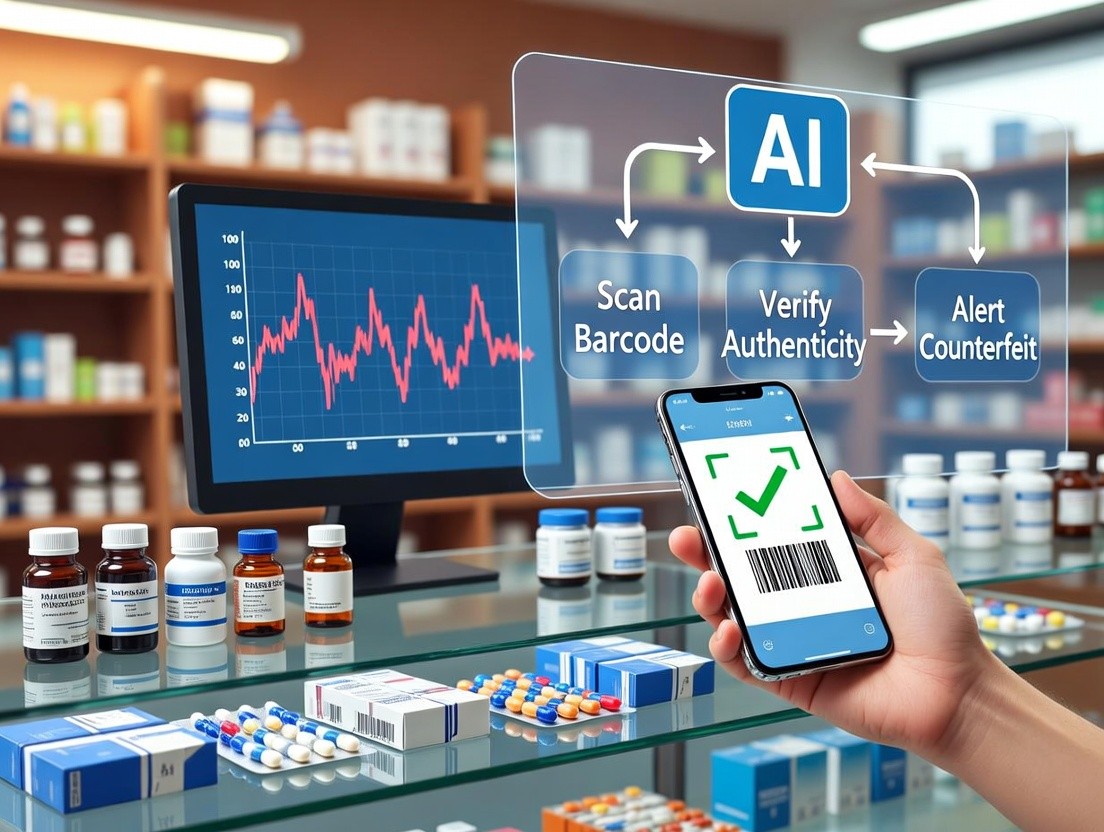
The World Health Organization estimates that ten percent of medications circulating globally are counterfeit or substandard, representing millions of life-threatening products distributed to unsuspecting patients. Counterfeit pharmaceuticals contain incorrect active ingredients, harmful contaminants, or dangerously low doses of therapeutic compounds. These fake medications contribute to treatment failures, drug resistance development, and preventable deaths worldwide. Traditional visual inspection and basic authentication methods prove insufficient against sophisticated counterfeiting operations. Advanced artificial intelligence algorithms now offer a powerful solution, enabling pharmacists to detect fraudulent medications at the point of dispensing.
Understanding Counterfeit Detection Algorithms
Multi-Modal Analysis Approach
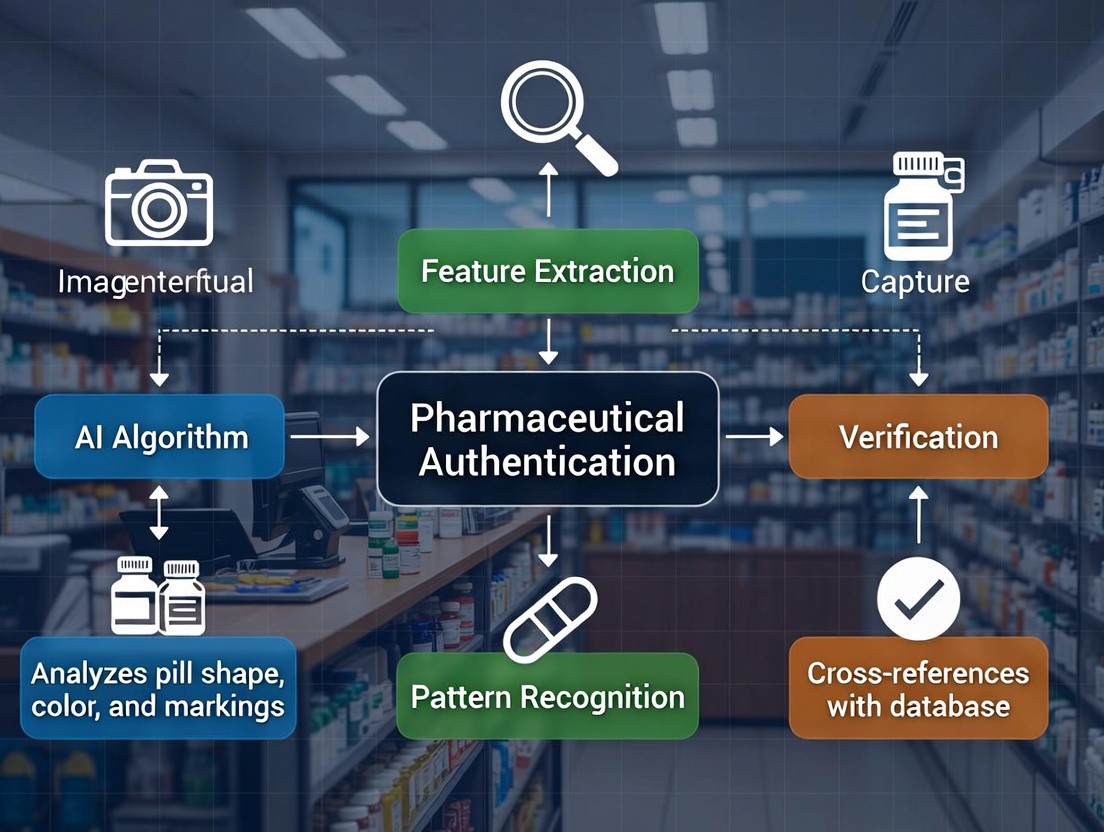
Modern detection systems employ multiple analytical techniques simultaneously to verify medication authenticity. Advanced algorithms analyze packaging features, tablet characteristics, chemical composition, and supply chain documentation using machine learning models trained on millions of authentic medication samples.
Key Detection Mechanisms
- Visual analysis of packaging, labeling, and printing quality using computer vision
- Tablet morphology assessment including color, shape, size, and surface characteristics
- Spectroscopic analysis detecting chemical composition without damaging medications
- Barcode and serialization verification through blockchain-based supply chain tracking
- Hologram and security feature authentication using advanced image processing
- Chemical fingerprint analysis comparing drug composition against known standards
Visual Authentication Technology
Packaging Verification
Sophisticated image recognition systems analyze medication packaging with remarkable precision. The algorithm detects subtle printing irregularities, color mismatches, font variations, and security feature inconsistencies that distinguish genuine products from counterfeits. Counterfeiters often struggle to replicate fine printing details, security holograms, and specialized packaging materials, creating telltale signs of inauthenticity that algorithms recognize instantly.
Tablet and Capsule Analysis
Computer vision systems examine individual tablets or capsules, measuring physical dimensions with micrometer precision. The algorithm detects shape irregularities, surface texture variations, and color inconsistencies between suspected counterfeit medications and authentic reference samples. Three-dimensional imaging captures minute details invisible to human inspection, identifying sophisticated forgeries that might fool visual assessment.
Chemical Analysis and Verification
Non-Destructive Testing Methods
Near-infrared spectroscopy and Raman spectroscopy enable chemical analysis without damaging medications. These analytical techniques measure the chemical composition of pharmaceutical products by analyzing light absorption and scattering patterns. Artificial intelligence algorithms compare these spectroscopic signatures against known authentic medications, instantly identifying composition anomalies that indicate counterfeiting.
Active Ingredient Verification
The system verifies that medications contain the declared active pharmaceutical ingredients at appropriate concentrations. Counterfeit medications often contain incorrect drugs entirely, sub-therapeutic doses, or dangerous substitutes. Algorithmic analysis detects these critical deviations, preventing patients from taking ineffective or harmful substances.
Supply Chain Authentication
Blockchain-Based Tracking
Distributed ledger technology creates immutable records of medication movement from manufacturers through distribution networks to pharmacies. The algorithm verifies that each medication's supply chain history matches legitimate distribution pathways. Suspicious gaps or irregular routing patterns indicate potential counterfeiting operations or illegitimate supply sources.
Serialization and Barcode Verification
Each legitimate medication carries unique serialization codes and barcodes recorded in centralized databases. The algorithm scans these identifiers and cross-references them against authentic medication records. Duplicate serial numbers, invalid barcodes, or inconsistent registration information trigger counterfeit alerts.
Integration into Pharmacy Operations
Point-of-Dispensing Screening
Pharmacy automation systems incorporate authentication algorithms directly into medication dispensing workflows. When pharmacists fill prescriptions, the system automatically analyzes incoming medications, alerts pharmacists to any authenticity concerns, and prevents dispensing of suspected counterfeits. This integration requires minimal workflow disruption while providing comprehensive protection.
Patient Safety Protocols
When the algorithm detects medication inconsistencies, pharmacists receive detailed alerts with supporting evidence of suspected counterfeiting. Pharmacies follow standardized protocols including immediate medication quarantine, pharmacy management notification, regulatory authority reporting, and patient communication. Such systematic responses protect individual patients while contributing to broader counterfeit investigation efforts.
Real-World Impact and Success Stories
Regional Implementation Results
Pharmacies implementing these detection algorithms report discovering counterfeit medications at rates of one to five percent of dispensed medications, varying by region and medication type. Early detection prevents patients from receiving fraudulent medications, protecting health outcomes and enabling investigation of counterfeiting operations.
Disease-Specific Protection
Chronic disease medications, oncology treatments, and antimicrobial drugs represent primary counterfeiting targets due to high market values. Authentication algorithms provide specialized protection for these critical medications where counterfeit substitution creates particularly severe health consequences.
Challenges and Limitations
Emerging Counterfeiting Techniques
Sophisticated counterfeiting operations continuously improve their replication techniques, sometimes matching authentic medication characteristics closely. Algorithms must continuously update against emerging counterfeit designs. Machine learning models benefit from real-world performance data, improving detection accuracy as systems encounter diverse authentic and counterfeit samples.
Resource Requirements
Spectroscopic analysis equipment and sophisticated imaging systems require significant pharmacy infrastructure investment. Mobile detection units and cloud-based analysis services address affordability concerns, enabling smaller pharmacies to access authentication technology without prohibitive capital expenses.
Future Developments
Emerging technologies including portable mass spectrometry, field-deployable chemical analysis, and artificial intelligence capable of detecting novel counterfeit designs promise enhanced detection capabilities. Integration with international pharmaceutical databases will enable real-time cross-border authentication verification.
Conclusion
Algorithmic counterfeit detection represents a critical advancement in pharmaceutical safety and public health protection. By providing pharmacists with objective, scientific evidence of medication authenticity, these systems prevent patients from receiving dangerous counterfeit drugs. As counterfeiting operations become more sophisticated, technological solutions integrating multiple authentication methods prove essential for maintaining medication supply integrity and protecting global health.