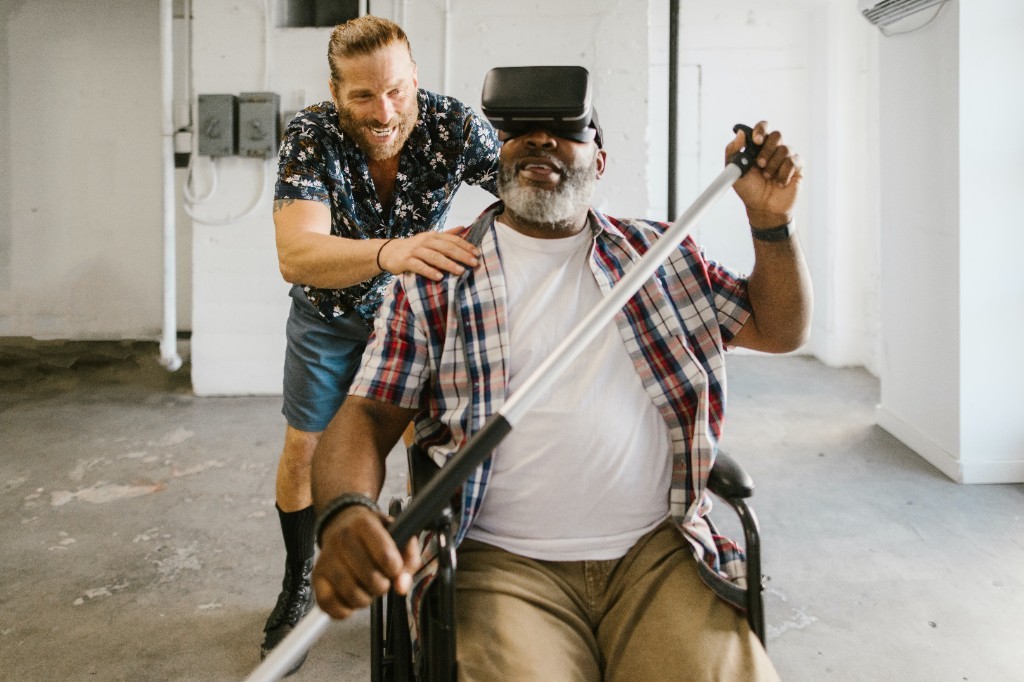
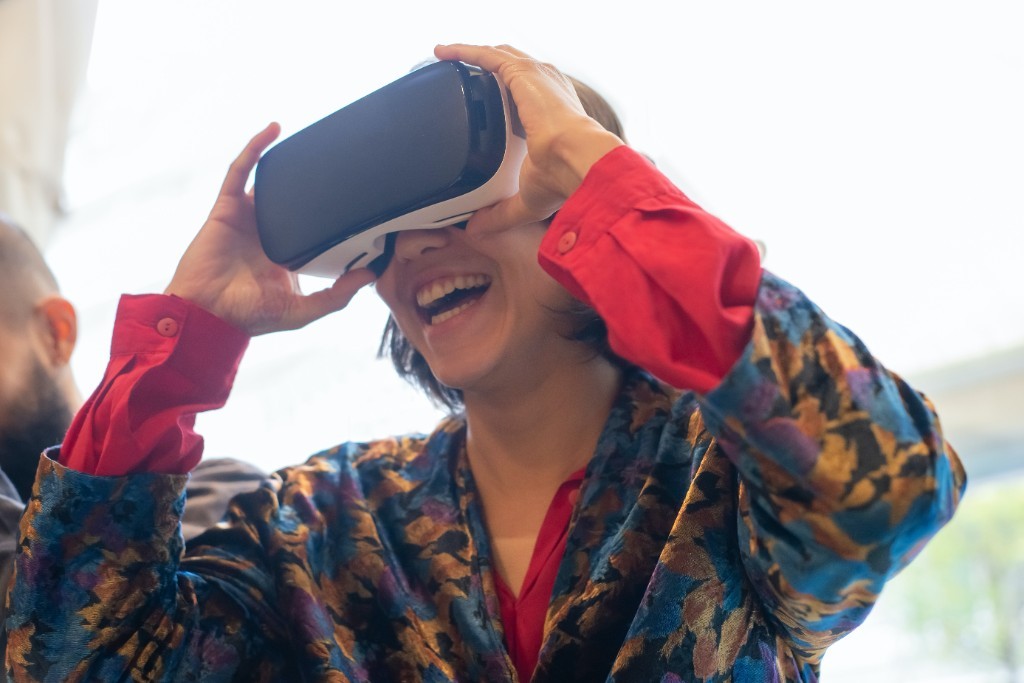
In recent years, there has been a significant advancement in the field of Artificial Intelligence (AI) and Augmented Reality (AR). These technologies have become increasingly popular and have the potential to enhance virtual experiences in various fields such as gaming, education, healthcare, and...
Program Teaches Children to Draw in the Style of Great Artists
451
13.04.2026
New Approaches to Art Education
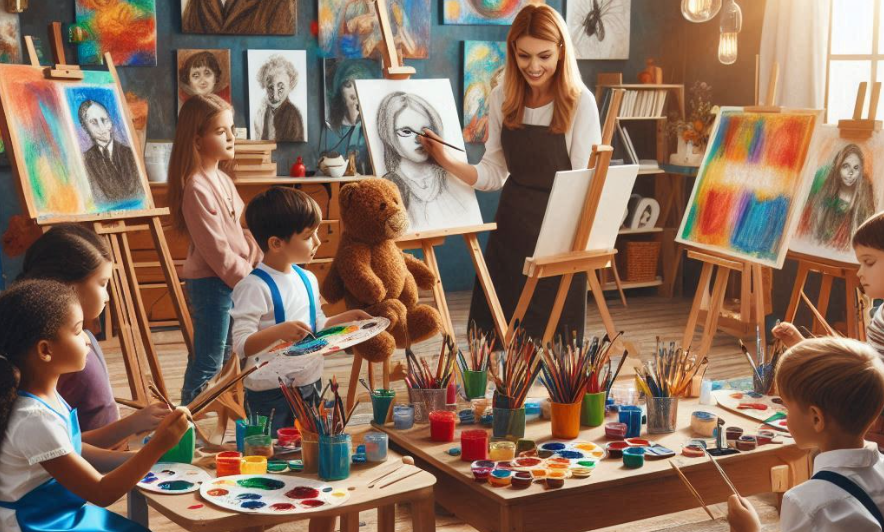
Art education plays an important role in the development of creativity, imagination, and emotional expression in children. Drawing helps young learners explore ideas visually while improving coordination and concentration. However, many children find it difficult to understand how professional artists create their works. Traditional art lessons often focus on copying simple shapes or following instructions, which may limit creative exploration.
Modern technology is transforming the way children learn artistic skills. A new generation of educational programs powered by artificial intelligence can guide students through the creative process while introducing them to the styles of famous painters. These programs allow children to experiment with colors, shapes, and techniques inspired by great masters from art history.
Instead of simply memorizing artistic rules, young learners can actively explore how different painting styles work and apply them in their own drawings.
How the Program Works
The program combines digital drawing tools with machine learning algorithms trained on thousands of artworks created by famous artists. When children begin a drawing, the system analyzes their lines, colors, and composition. It then provides suggestions that help the drawing resemble the style of a particular artist.
For example, if a student chooses to explore impressionism, the software may recommend loose brush strokes and soft color transitions. If the child selects a cubist style, the program may encourage geometric shapes and unusual perspectives.
Main Functions of the System
- Interactive drawing tools for tablets or computers
- AI models trained on famous artworks
- Step-by-step artistic guidance
- Real-time feedback on composition and color
- Creative challenges based on art history
This combination of artificial intelligence and interactive design makes the learning process engaging and accessible for young artists.
Learning Through Artistic Styles
One of the most exciting aspects of the program is the opportunity for children to explore different artistic styles. Art history includes many unique approaches to painting and drawing, each with its own techniques and visual characteristics.
By experimenting with these styles, students gain a deeper understanding of artistic expression and cultural heritage.
Examples of Styles Children Can Explore
- Impressionism with soft colors and visible brush strokes
- Cubism with geometric shapes and fragmented perspectives
- Surrealism with imaginative and dreamlike compositions
- Expressionism with bold colors and emotional intensity
- Classical realism with attention to detail and shading
The program presents these styles through simple tutorials and creative exercises that help children apply the techniques in their own artwork.
Benefits for Young Learners
Educational researchers believe that combining technology with art instruction can enhance motivation and creativity. Children often enjoy digital tools because they allow experimentation without fear of making mistakes. Unlike traditional paper drawing, digital platforms allow students to easily undo actions, adjust colors, and try new ideas.
The program encourages exploration rather than perfection. Students can experiment with different artistic approaches while receiving supportive feedback from the system.
- Improved creativity and imagination
- Better understanding of art history
- Development of visual thinking skills
- Greater confidence in artistic expression
- Interactive learning experience
These benefits help make art education more accessible and enjoyable for children of different skill levels.
Support for Teachers and Parents
The program is designed not only for children but also for teachers and parents who want to support artistic development. Educators can use the software as part of classroom activities, allowing students to explore different artistic movements while completing creative assignments.
Parents can also use the program at home to encourage creative play. Because the system provides guidance automatically, children can practice drawing independently while still learning useful techniques.
Many programs also include progress tracking features that allow adults to see how children's artistic skills develop over time.
The Future of Digital Art Education
The integration of artificial intelligence into art education is still developing, but its potential is significant. Future systems may include augmented reality tools that allow children to paint in three-dimensional space or interact with virtual galleries displaying their artwork.
AI could also generate personalized art lessons based on each child’s interests and abilities. By analyzing drawing patterns and creative preferences, the system may recommend specific styles or techniques to explore.
While technology will never replace the inspiration and guidance of human teachers, it can provide powerful tools that make artistic learning more engaging. Programs that teach children to draw in the style of great artists demonstrate how artificial intelligence can support creativity while introducing young learners to the rich world of art history.