

In recent years, there has been a significant advancement in the field of Artificial Intelligence (AI) and Augmented Reality (AR). These technologies have become increasingly popular and have the potential to enhance virtual experiences in various fields such as gaming, education, healthcare, and...
Program Translates Medical Terms into Plain Language
638
03.04.2026
The Problem of Complex Medical Language
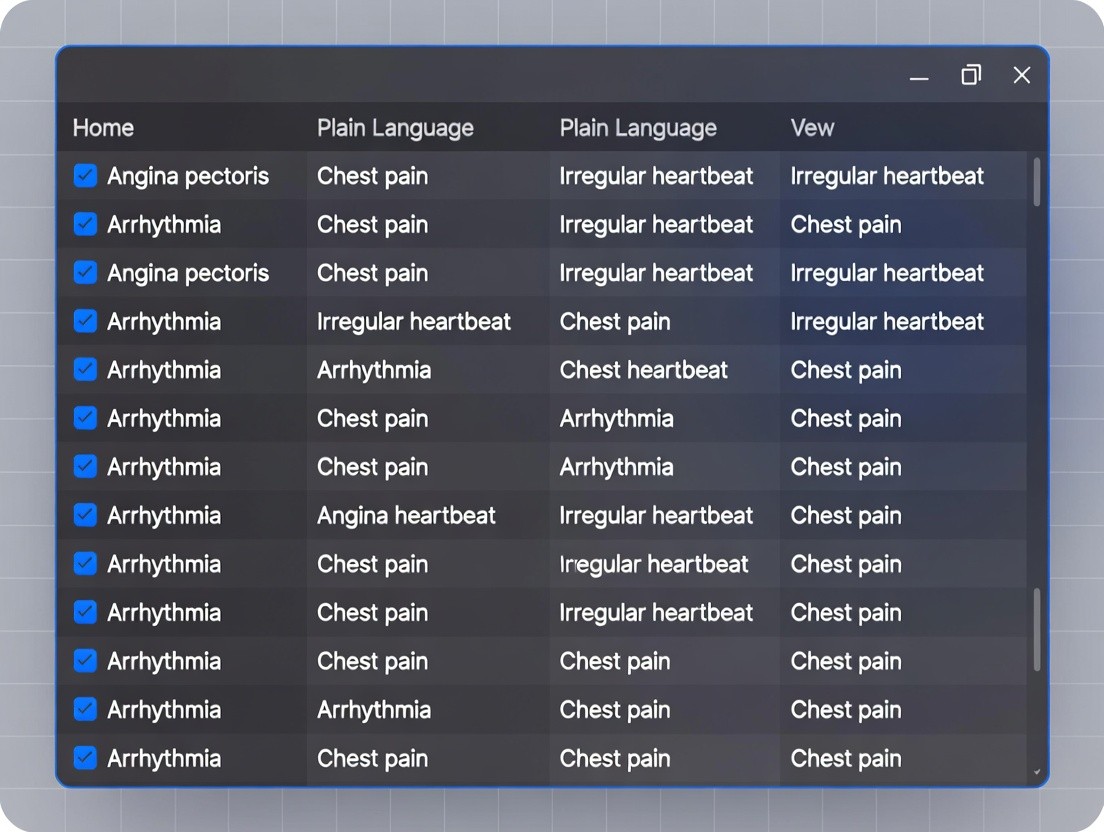
Medical language is designed to be precise and standardized, allowing doctors and healthcare professionals to communicate clearly with each other. However, this specialized vocabulary can be difficult for patients to understand. Many medical reports, prescriptions, and diagnostic explanations include technical terms that are unfamiliar to people without medical training.
As a result, patients may leave medical appointments confused about their diagnosis or treatment plan. Misunderstanding medical instructions can lead to medication errors, poor treatment adherence, and unnecessary anxiety.
To solve this communication gap, developers have created software programs that automatically translate complex medical terminology into simple and understandable language. These systems use artificial intelligence to interpret medical texts and present explanations that are easier for patients to understand.
How the Translation Program Works
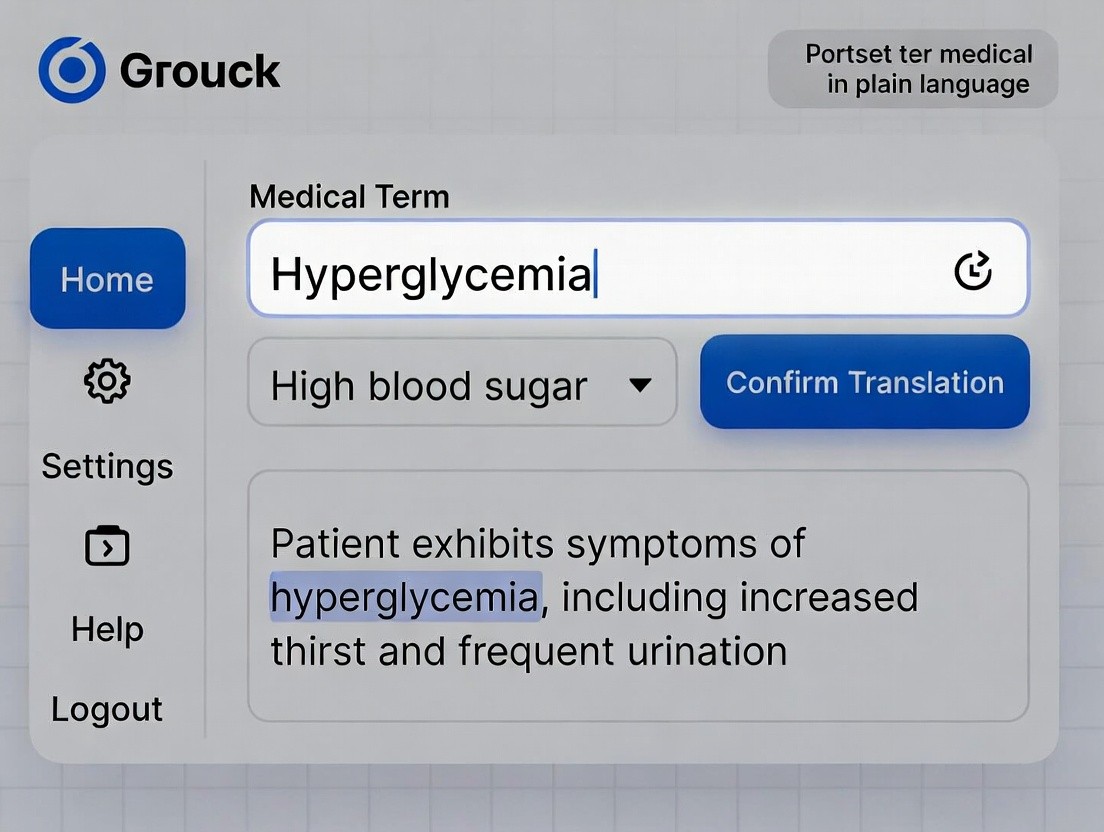
The program uses natural language processing technology, a branch of artificial intelligence that allows computers to analyze and interpret human language. When a medical document is uploaded or scanned, the system identifies technical terms and replaces them with simpler explanations.
The program does not simply substitute words. Instead, it analyzes the context of each term and generates explanations that reflect the correct medical meaning.
Main Functions of the System
- Identifying complex medical terminology in documents
- Providing simplified explanations of diagnoses
- Converting prescription instructions into clear guidance
- Explaining laboratory test results
- Highlighting important health information
By combining these functions, the software helps transform complicated medical texts into more accessible information.
Examples of Simplified Medical Language
Medical terms often originate from Latin or Greek roots, which makes them difficult for patients to interpret. The translation program converts these terms into everyday language that is easier to understand.
For example, instead of presenting a patient with a complex diagnosis written in technical language, the system may provide a short explanation describing the condition in plain terms.
Typical Types of Translations
- Technical diagnoses explained in simple words
- Descriptions of symptoms and causes
- Medication instructions written clearly
- Side effects explained in understandable language
- Preventive health recommendations
This approach helps patients gain a clearer understanding of their medical situation.
Benefits for Patients
Clear communication is essential in healthcare. When patients understand their diagnosis and treatment plan, they are more likely to follow medical recommendations and participate actively in their care.
The translation program offers several benefits for patients who may struggle with medical terminology.
- Better understanding of diagnoses
- Clearer instructions for medication use
- Reduced anxiety caused by confusing terminology
- Improved ability to ask informed questions
- Greater confidence in managing personal health
These advantages can contribute to improved patient outcomes and stronger relationships between patients and healthcare providers.
Support for Doctors and Healthcare Systems
The program is also helpful for doctors and medical institutions. Healthcare professionals often have limited time during appointments, making it difficult to explain every detail of complex diagnoses.
By automatically generating simplified explanations, the software helps doctors provide clear information without extending appointment times. Patients can review these explanations later at home, reinforcing their understanding of the medical advice they received.
Hospitals and clinics can integrate the system into electronic health record platforms, allowing translated explanations to accompany official medical documents.
Challenges and Accuracy Considerations
Although translation programs are highly useful, they must be designed carefully to ensure accuracy. Medical information must remain precise while still being understandable. Oversimplifying certain conditions could lead to misunderstandings about their seriousness or treatment requirements.
Developers address this challenge by combining AI translation with verified medical knowledge databases. Many systems also allow doctors to review the generated explanations before they are shared with patients.
This collaboration between technology and medical expertise ensures that the information remains both accurate and accessible.
The Future of Patient-Friendly Medical Communication
As artificial intelligence continues to evolve, systems that translate complex medical language are expected to become even more advanced. Future programs may support voice conversations between doctors and patients, instantly converting technical explanations into simpler language during appointments.
Integration with mobile health applications could also allow patients to scan medical documents or prescription labels and receive instant explanations.
Improving communication between healthcare professionals and patients is an important step toward more effective healthcare systems. By translating medical terminology into plain language, intelligent software helps ensure that patients fully understand the information that affects their health.