

In recent years, there has been a significant advancement in the field of Artificial Intelligence (AI) and Augmented Reality (AR). These technologies have become increasingly popular and have the potential to enhance virtual experiences in various fields such as gaming, education, healthcare, and...
Retired Man from Tver Trains Neural Network to Identify Forest Mushrooms
809
25.01.2026
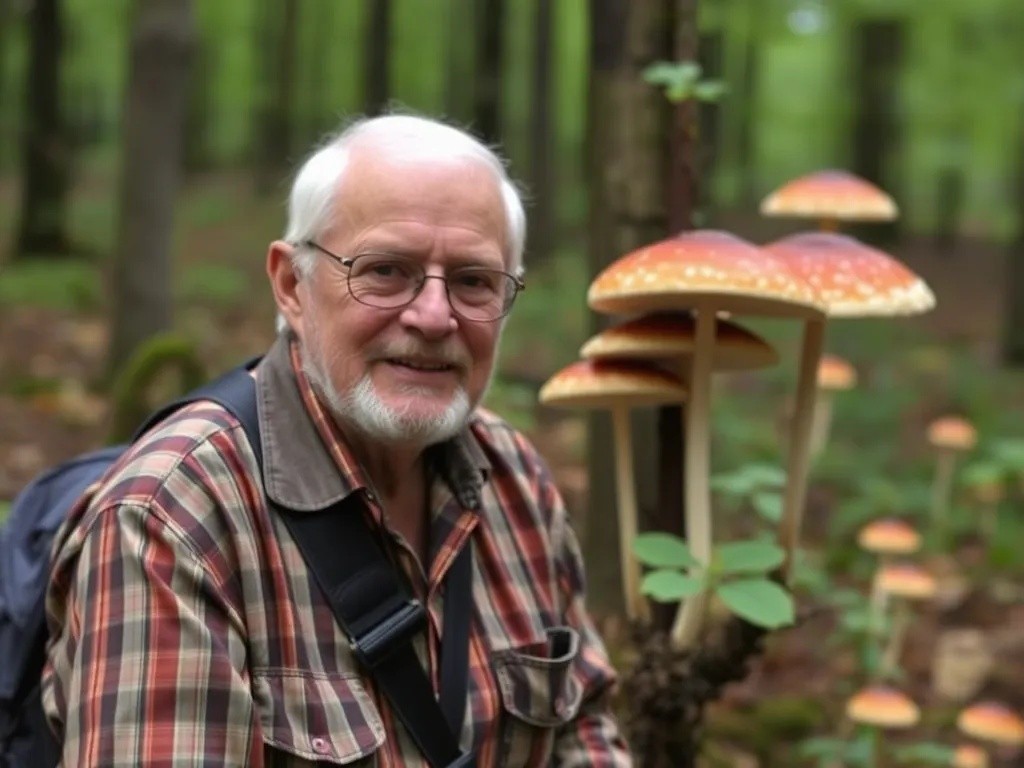
In an inspiring demonstration of lifelong learning and technological innovation, a 68-year-old retired engineer from the Russian city of Tver has successfully developed an artificial intelligence application capable of identifying mushroom species in forest environments. Viktor Semyonovich Korolev spent three years photographing fungi, studying machine learning, and building a system that could save lives by preventing accidental poisonings.
From Retirement Hobby to Technological Achievement
Korolev's journey began after a neighbor's grandchild was hospitalized following consumption of a misidentified mushroom during a family foraging trip. The incident motivated him to combine his engineering background with his newfound interest in computer science, pursuing online courses in artificial intelligence and image recognition.
Building the Training Dataset
The dedicated pensioner personally photographed over 15,000 mushroom specimens across the forests of Tver Oblast. His methodology involved capturing each fungus from multiple angles under varying lighting conditions:
- Top-down photographs showing cap patterns and coloration
- Side views revealing stem characteristics and proportions
- Underside images displaying gill or pore structures
- Close-up details of distinctive features like rings and volvas
Technical Implementation
Working from his modest apartment, Korolev assembled a computer system capable of running machine learning algorithms. He utilized open-source frameworks, teaching himself programming languages that were developed decades after his formal education ended. The neural network architecture he ultimately employed processes images through multiple convolutional layers, extracting increasingly abstract features until arriving at a species identification.
Recognition Capabilities
The current version of the application recognizes 127 mushroom species commonly found in central Russian forests. More importantly, it reliably identifies the most dangerous varieties, including death caps and destroying angels, which account for the majority of fatal mushroom poisonings worldwide.
Community Response and Testing
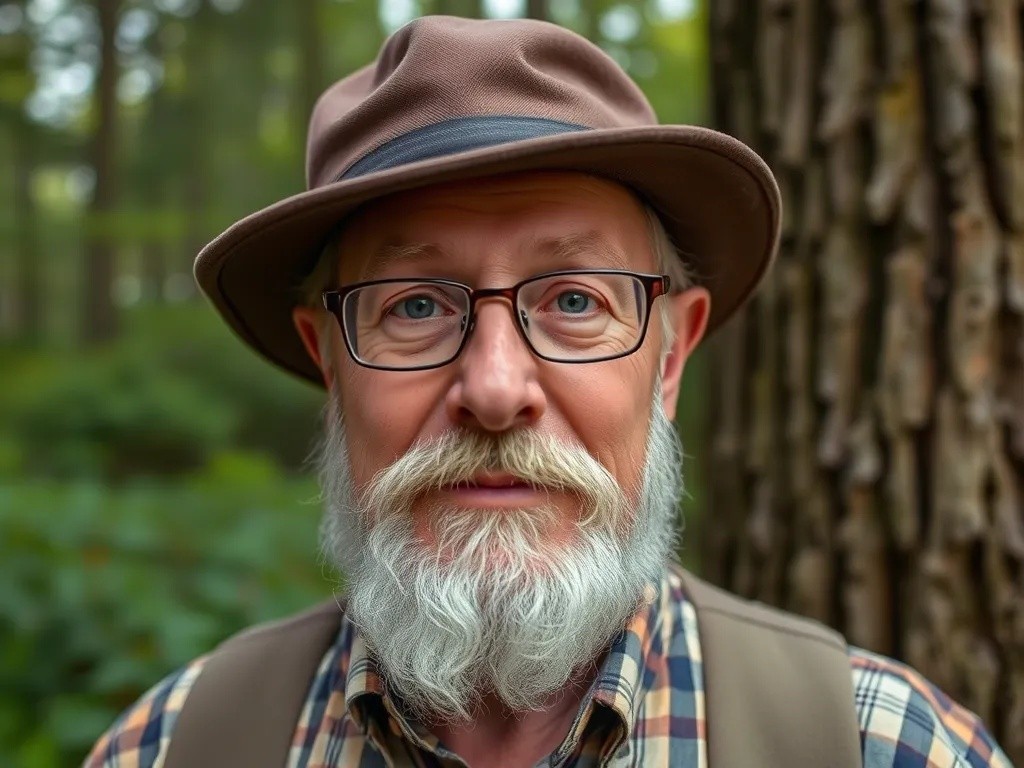
Local mycological societies initially approached the project with skepticism. However, controlled testing demonstrated that the application correctly identified species approximately 94 percent of the time when provided with clear photographs. Professional mycologists who evaluated the system acknowledged its potential as a supplementary identification tool, though they emphasized that no technology should replace expert consultation when uncertainty exists.
Safety Warnings and Limitations
Korolev himself remains cautious about the application's limitations. He includes prominent warnings advising users to never consume any mushroom based solely on algorithmic identification. The app explicitly flags specimens where confidence levels fall below established thresholds, recommending professional verification.
Future Plans and Open Source Release
The retired engineer plans to release his application freely, hoping other enthusiasts will contribute additional training data from different geographic regions. He has already begun collaborating with university researchers interested in expanding the system's coverage to European and North American species.
Korolev's achievement demonstrates that meaningful technological contributions can emerge from unexpected sources. His dedication to preventing tragedies like the one that inspired his work exemplifies how personal motivation combined with accessible educational resources can produce innovations benefiting entire communities.