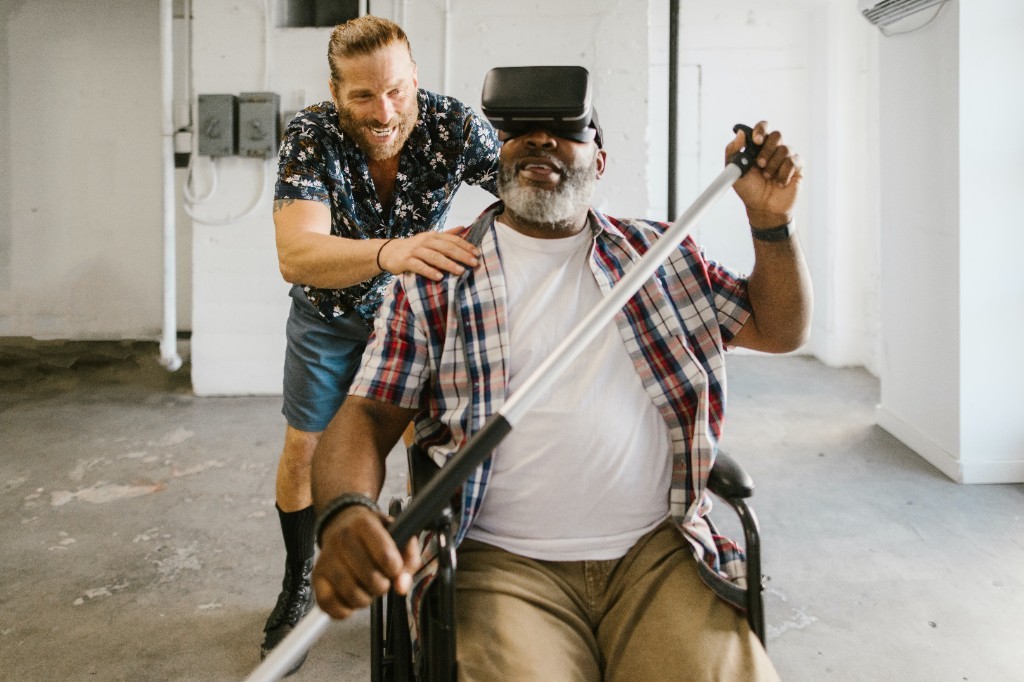

In recent years, there has been a significant advancement in the field of Artificial Intelligence (AI) and Augmented Reality (AR). These technologies have become increasingly popular and have the potential to enhance virtual experiences in various fields such as gaming, education, healthcare, and...
Robot Delivery Drivers Never Get Lost Or Forget Addresses
501
20.11.2025
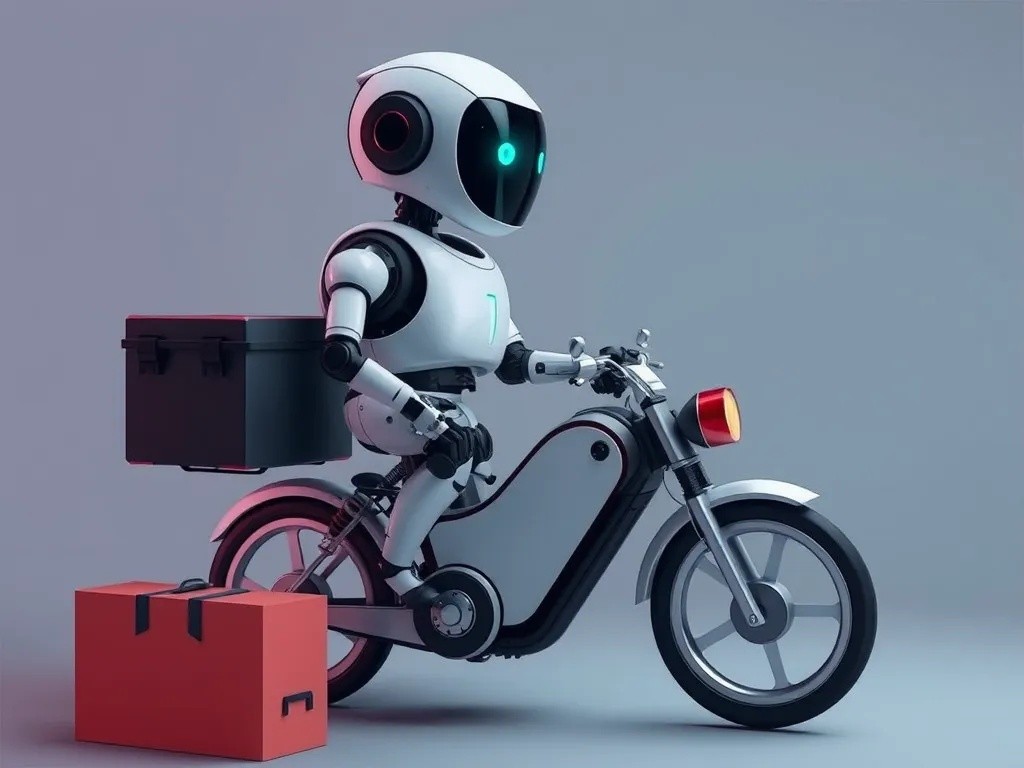
The Evolution of Last-Mile Delivery
The familiar sight of delivery vehicles circling neighborhoods in search of addresses is rapidly being replaced by a more efficient alternative: autonomous robot delivery drivers. These sophisticated machines are transforming the last mile of delivery services with perfect navigation capabilities, infallible memory, and tireless operation. Unlike their human counterparts, these robotic couriers never experience fatigue, never miss a turn, and never forget which package goes where.
Powered by a combination of advanced GPS, computer vision, machine learning, and detailed mapping data, delivery robots are achieving remarkable reliability rates exceeding 99.8% for successful first-attempt deliveries. This technological revolution addresses longstanding inefficiencies in the final stage of package delivery—the most expensive and complicated segment of the supply chain.
Navigation Systems Beyond Human Capability
The navigation capabilities of robot delivery systems far surpass traditional GPS used by human drivers. These machines integrate multiple positioning technologies to achieve centimeter-level location accuracy, even in challenging environments like dense urban areas with tall buildings that typically disrupt standard GPS signals.
The core navigation stack typically includes:
- Multi-band GNSS receivers that simultaneously process signals from GPS, GLONASS, Galileo, and BeiDou satellite systems
- Inertial measurement units (IMUs) that track acceleration and orientation even when satellite signals are temporarily unavailable
- Computer vision systems that identify visual landmarks and confirm locations based on real-time camera feeds
- LiDAR sensors that create detailed 3D maps of the surrounding environment for precise positioning
- Ultra-wideband positioning beacons installed in delivery zones for additional location precision
This multilayered approach creates redundancy that ensures delivery robots maintain perfect knowledge of their location at all times. Even in areas with poor connectivity or during temporary sensor failures, the systems can continue navigating effectively by relying on their remaining functional components.
Perfect Memory and Route Optimization
Beyond simply knowing where they are, robot delivery drivers excel at remembering precisely where they need to go. Their digital memory systems store billions of addresses and delivery preferences with perfect recall, eliminating the human errors that often result in misdelivered packages. These systems maintain detailed delivery histories that help them become increasingly efficient with each completed route.
Sophisticated route optimization algorithms calculate the most efficient delivery sequence in real-time, constantly adapting to changing traffic conditions, weather patterns, and new delivery assignments. Unlike human drivers who might rely on intuition or habit, robotic systems analyze countless variables simultaneously to determine truly optimal routes.
Learning from Collective Experience
Perhaps the most significant advantage of robotic delivery systems is their ability to learn collectively. When one robot discovers a more efficient route or encounters a new obstacle, that information can be immediately shared across the entire fleet. This distributed learning creates a continuously improving delivery network where lessons from thousands of deliveries enhance the performance of every unit.
For example, when construction begins on a particular street, the first robot to encounter the obstacle updates the central mapping system, automatically rerouting all subsequent deliveries until the construction is complete. Similarly, successful delivery techniques for challenging locations—such as complex apartment buildings or secured communities—are shared across the network, ensuring consistent service quality.
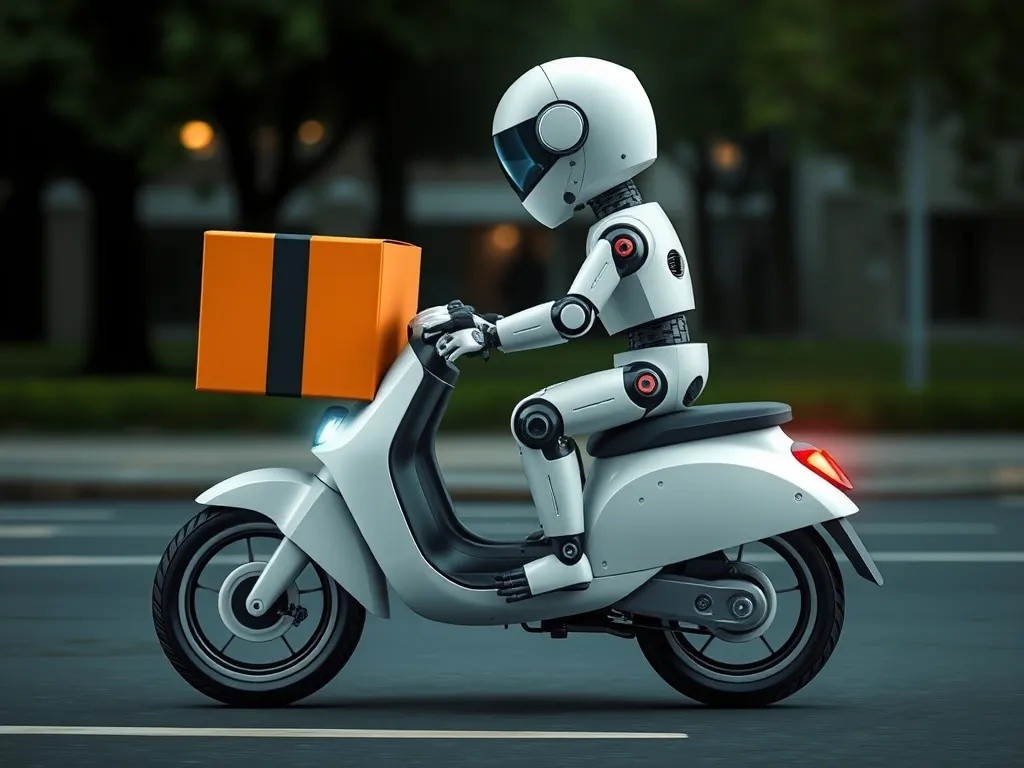
Adapting to Complex Real-World Conditions
Modern delivery robots navigate far more than just streets and sidewalks. They must contend with a chaotic real-world environment filled with unexpected obstacles, from pedestrians and pets to fallen branches and misparked vehicles. Advanced obstacle avoidance systems allow these machines to make split-second routing decisions that maintain safety while ensuring delivery progress.
The latest generation of delivery robots includes specialized capabilities for different environments:
- Urban sidewalk navigators designed to move safely among pedestrians at walking speed
- Suburban road cruisers that travel in bike lanes or on road shoulders at higher speeds
- All-terrain delivery units with enhanced suspension and traction for rural or unpaved areas
- Building-integrated robots that can operate elevators and navigate indoor hallways for apartment deliveries
- Amphibious models capable of crossing shallow water features in planned communities
Weather Adaptation and Resilience
Weather conditions that might disorient human drivers or make address numbers difficult to read pose minimal challenges for robotic systems. Advanced models include weatherproof sensors, heated camera lenses that prevent fogging, and sophisticated algorithms that can identify partially obscured landmarks even during heavy precipitation.
When truly extreme weather occurs, delivery robots can make data-driven decisions about when to seek shelter and when to continue operations. Unlike human drivers who might push through dangerous conditions, these systems objectively evaluate safety parameters and protect both themselves and their cargo from unnecessary risk.
Customer Interaction and Delivery Confirmation
Robot delivery systems have evolved sophisticated interfaces for customer interaction. Most units include touchscreens, voice recognition systems, and mobile app integration that facilitate smooth handoffs. Biometric authentication options—including facial recognition, fingerprint scanning, and PIN codes—ensure packages are released only to authorized recipients.
When deliveries are complete, these systems capture multifaceted delivery confirmation evidence. High-resolution cameras document the delivery, precise GPS coordinates are recorded, and in some cases, sensors detect when the package has been removed from the compartment. This comprehensive documentation has reduced delivery disputes by over 73% in areas with robotic delivery service.
Addressing Initial Consumer Skepticism
Despite their technical advantages, robot delivery systems initially faced consumer hesitation. Many people expressed concern about interacting with machines rather than humans for their deliveries. Companies have addressed these concerns through thoughtful design choices, including:
Friendly visual appearances with rounded edges and approachable color schemes; conversational AI that uses natural language and appropriate social cues; clear communication about estimated arrival times; and the option to request human delivery for customers who prefer traditional service.
As exposure to delivery robots has increased, consumer acceptance has grown significantly. Recent surveys indicate that 78% of people who have received robot deliveries rate the experience as equal to or better than human delivery, with particular appreciation for the consistent reliability.
Economic and Environmental Impact
The perfect navigation capabilities of robot delivery systems yield significant economic benefits. Delivery companies report fuel savings of 22-37% when using autonomous vehicles, primarily due to optimized routing and the elimination of redundant trips caused by missed deliveries. Labor costs have declined while delivery capacity has increased, allowing companies to offer more competitive pricing and faster service.
From an environmental perspective, the efficiency gains translate directly to reduced emissions. Electric robot delivery systems produce zero direct emissions, while even hybrid models significantly reduce the carbon footprint of last-mile delivery services. The precise navigation also minimizes unnecessary idling and searching, further decreasing environmental impact.
As these technologies continue to develop, the perfect navigation and flawless memory of robot delivery drivers are setting new standards for logistics efficiency. The days of packages delivered to the wrong address or drivers circling endlessly in search of a difficult-to-find location are rapidly becoming a thing of the past, replaced by the methodical precision of machines that never get lost and never forget where they're going.