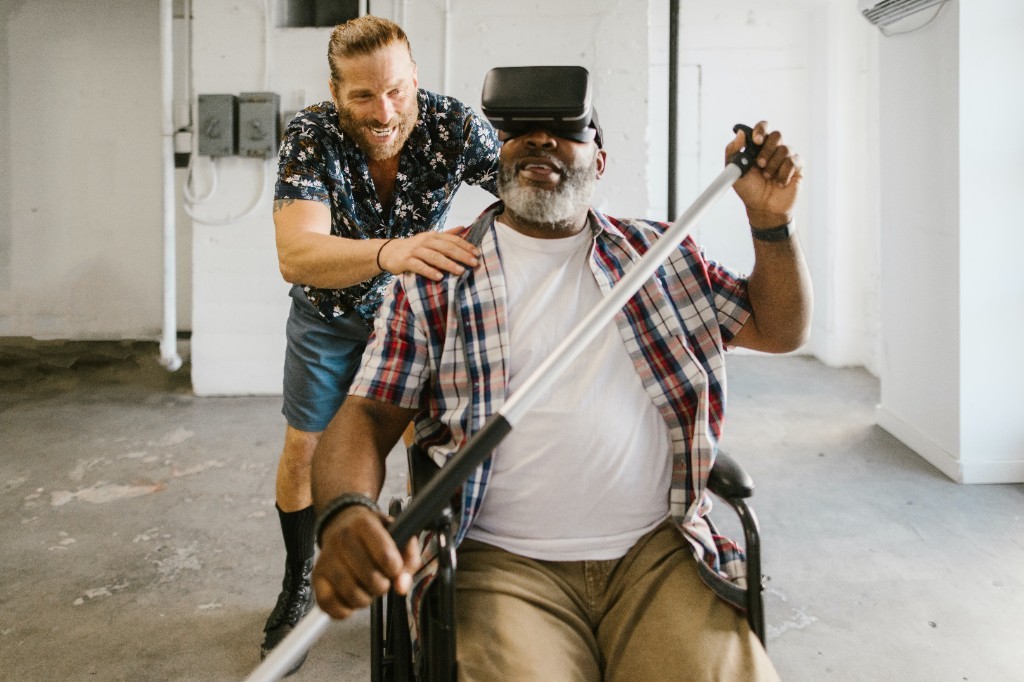

In recent years, there has been a significant advancement in the field of Artificial Intelligence (AI) and Augmented Reality (AR). These technologies have become increasingly popular and have the potential to enhance virtual experiences in various fields such as gaming, education, healthcare, and...
Robot Friend Plays Board Games When Nobody Else Wants To
540
06.01.2026
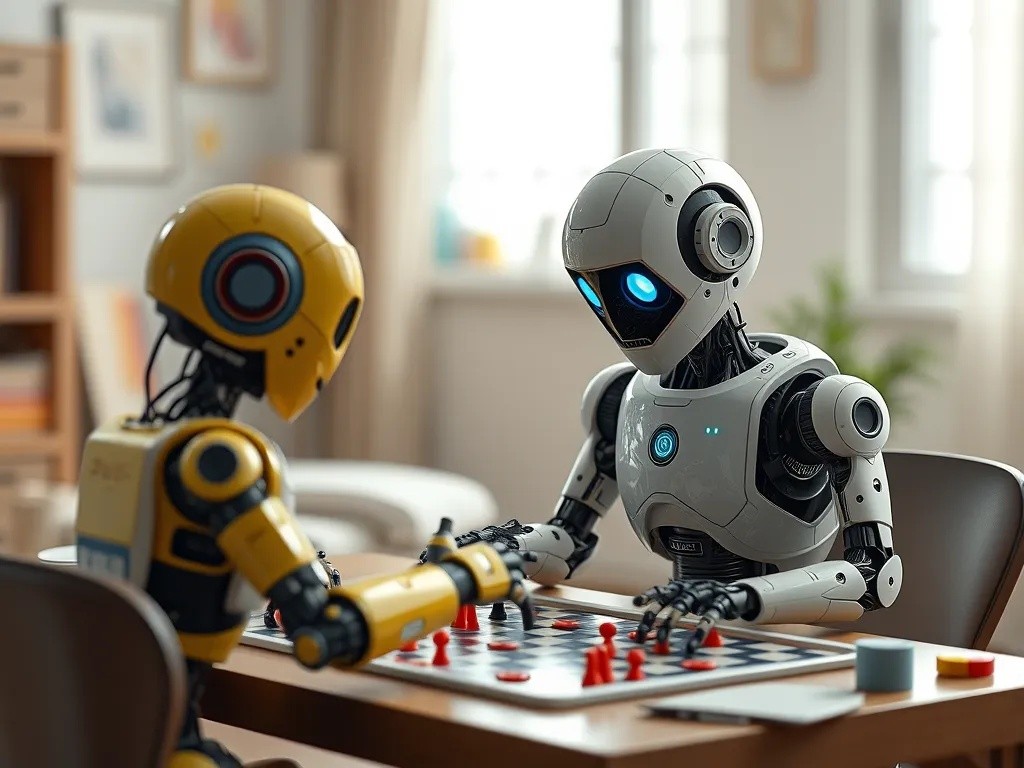
Board games have long been a favorite pastime, but they share a common problem: they require other people to play. When family members are busy, friends are unavailable, or you simply want to practice a game, finding willing participants becomes challenging. Enter the robot game companion, an artificial intelligence-powered device designed to sit across the table and play board games with the enthusiasm and competence of a human player.
Understanding Robot Game Companions
These sophisticated robots combine advanced artificial intelligence, computer vision, and precise mechanical manipulation to participate in traditional board games. Unlike video game versions that require screens, robot companions interact with physical game pieces on actual boards, preserving the tactile experience that many players cherish. The robots recognize game pieces, understand rules, make strategic decisions, and physically move pieces using robotic arms equipped with sensitive grippers.
How the Technology Functions
The robot uses cameras positioned above the game board to continuously monitor the playing surface. Computer vision algorithms identify different pieces, track their positions, and understand the current game state. The artificial intelligence processes this information according to programmed game rules, evaluates possible moves, and selects actions based on strategic analysis. Robotic arms then execute these decisions by picking up and placing pieces with remarkable precision.
Technical capabilities include:
- Recognition of hundreds of different board games and their rules
- Adaptive difficulty levels from beginner to expert
- Natural language processing for spoken communication
- Emotional response simulation to create engaging gameplay
- Learning algorithms that adapt to individual player styles
Games and Playing Styles
Supported Game Types
Modern robot companions can play an impressive variety of games. Classic strategy games like chess and checkers are natural fits for AI capabilities. Complex modern board games including Settlers of Catan, Ticket to Ride, and Pandemic challenge the robot's strategic thinking. Simple games like Connect Four or tic-tac-toe provide quick entertainment. Some advanced models even handle card games, though manipulating cards presents unique technical challenges.
Personality and Interaction
What sets these robots apart from simple game-playing algorithms is their interactive personality. The robots speak during gameplay, making comments about moves, celebrating victories, and reacting to setbacks. They can adjust their communication style based on the player's age and preferences, becoming serious competitors for adults or encouraging coaches for children. This social element transforms solitary gameplay into a genuine interactive experience.
Benefits of Robot Game Partners
Availability and Convenience
The most obvious advantage is constant availability. Whether it's three in the morning or a quiet Tuesday afternoon, the robot companion is ready to play. This accessibility particularly benefits people with irregular schedules, those living alone, or individuals who have difficulty finding human game partners due to specialized interests or mobility limitations.
Skill Development and Practice
For competitive players, robot companions offer valuable practice opportunities. The AI can simulate different playing styles and difficulty levels, allowing players to hone specific strategies without needing multiple human opponents. Chess players practice openings against an opponent that never gets tired or impatient. Strategy gamers test new tactics in a judgment-free environment where losing carries no social consequences.
Therapeutic and Educational Value
Healthcare facilities are discovering therapeutic applications for robot game companions. Elderly residents in care homes use them to maintain cognitive function and enjoy social interaction. Children with autism or social anxiety practice turn-taking and strategic thinking in a comfortable, predictable environment. The robots provide patient, consistent interaction that builds confidence before engaging with human players.

Real-World Implementation
Families with robot game companions report increased board game activity overall. Having a guaranteed opponent encourages more frequent play, and as skills improve, humans become more interested in playing with each other. Parents use the robots to keep children entertained during busy periods, while the games provide educational benefits that screen time doesn't offer.
Game cafes and hobby shops are experimenting with robot companions as teaching tools. Newcomers learn game rules from patient robotic instructors before joining human groups. The robots demonstrate strategies and explain complex rules without the social pressure that sometimes discourages new players from asking questions.
Challenges and Limitations
Physical Dexterity Issues
Despite impressive advances, robots still struggle with certain physical tasks. Shuffling cards remains difficult, and some games with tiny pieces or complex spatial arrangements challenge even sophisticated robotic systems. Games requiring drawing or creative interpretation, like Pictionary or Telestrations, exceed current capabilities. Manufacturers continue working on more advanced manipulation systems, but human dexterity still surpasses mechanical counterparts in many situations.
Cost and Accessibility
High-quality robot game companions currently carry significant price tags, limiting accessibility for many families. The combination of advanced AI, computer vision systems, and precise robotics creates expensive devices. As technology matures and production scales increase, prices should decrease, but affordability remains a barrier for widespread adoption.
Social Concerns
Critics worry that robot companions might reduce human interaction rather than supplement it. Children might prefer playing with predictable, always-available robots over dealing with the complexities of human social dynamics. Some psychologists caution that excessive reliance on robotic playmates could impact social skill development. Advocates argue that the robots serve as supplements rather than replacements, similar to how video games coexist with traditional social activities.
The Future of Robotic Game Partners
Next-generation robots will feature improved emotional intelligence, reading player frustration or boredom and adjusting accordingly. Advanced models might teach new games, explain strategies, and offer coaching between moves. Integration with online gaming communities could allow robots to serve as physical avatars for remote human players, combining the benefits of physical games with online connectivity.
Researchers envision robots that can modify game rules creatively, inventing variations to keep gameplay fresh. Future devices might simultaneously manage multiple games, allowing group play scenarios where one robot coordinates complex multi-player experiences.
Conclusion
Robot game companions address a genuine need in the board gaming community while demonstrating remarkable technological achievement. By combining artificial intelligence, robotics, and social interaction design, these devices preserve the tactile pleasure of physical games while eliminating the availability problem. Whether serving as practice partners, therapeutic tools, or simply convenient companions for game enthusiasts, robot players represent an innovative fusion of traditional entertainment and modern technology. As capabilities expand and costs decrease, these mechanical opponents may become common household features, ensuring that no board game enthusiast ever has to skip game night due to lack of available players.