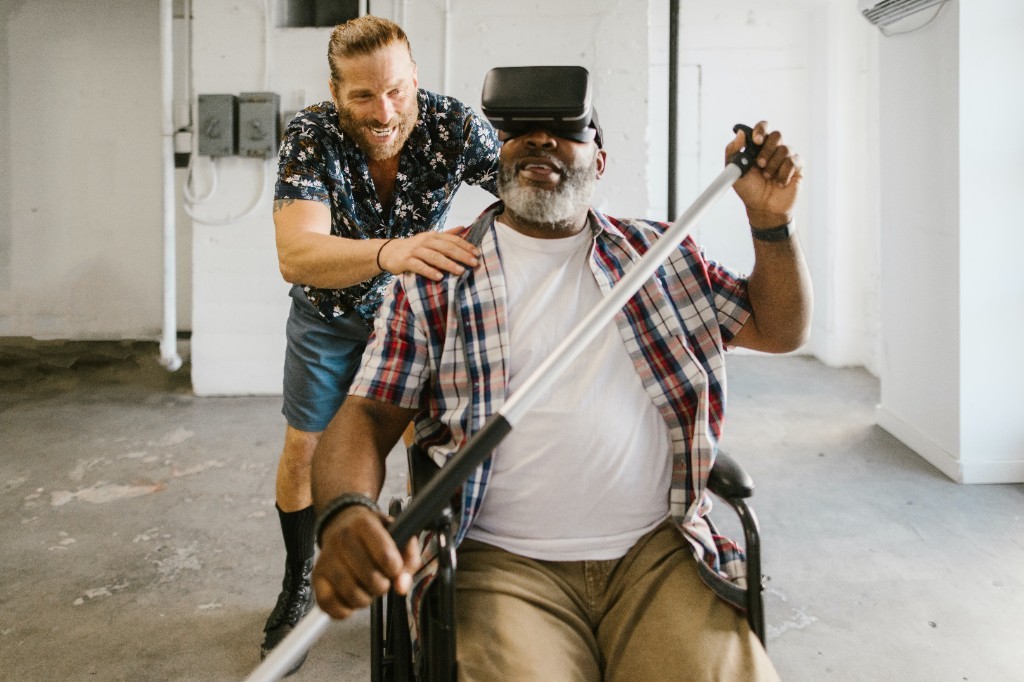

In recent years, there has been a significant advancement in the field of Artificial Intelligence (AI) and Augmented Reality (AR). These technologies have become increasingly popular and have the potential to enhance virtual experiences in various fields such as gaming, education, healthcare, and...
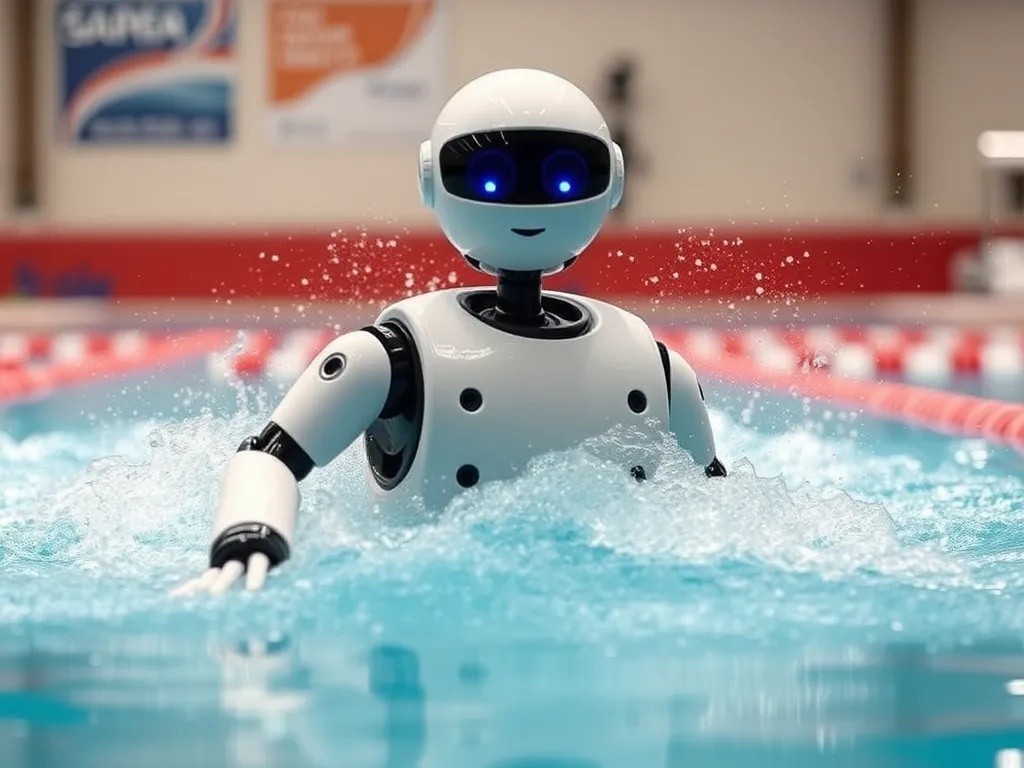
Robot Lifeguard Swims Faster Than Olympic Athletes
478
27.11.2025

Water safety has taken a revolutionary leap forward with the introduction of high-speed robotic lifeguards capable of outswimming even the most accomplished human athletes. These technological marvels are transforming beach and pool safety protocols worldwide, offering unprecedented response times and capabilities that complement traditional lifeguarding systems.
Engineering Breakthrough: Speed and Power
The latest generation of robotic lifeguards represents a significant advancement in aquatic rescue technology. Powered by specialized hydro-jet propulsion systems, these machines can reach speeds of up to 28 miles per hour in water—significantly faster than Olympic swimmers who typically reach maximum speeds around 5-6 miles per hour.
This remarkable speed comes from biomimetic design principles that draw inspiration from the most efficient marine animals. The robot's hydrodynamic body shape incorporates elements from dolphins, sharks, and marlin—nature's fastest swimmers—resulting in minimal drag and maximum thrust efficiency.
Propulsion and Power Management
The propulsion system utilizes dual technologies:
- Water jet propulsors: High-pressure water jets provide the primary thrust, allowing for explosive acceleration and sustained high-speed movement.
- Articulated fin systems: Flexible, servo-controlled fins enable precise maneuvering and stabilization in turbulent conditions.
Power management represents another significant breakthrough. High-density lithium-polymer battery packs provide up to 8 hours of active patrol time, while rapid-charging stations positioned at lifeguard towers allow for quick power replenishment. Some advanced models incorporate solar panels on their upper surfaces, extending operational time during sunny conditions.
Sensing and Detection Capabilities
What truly sets these robotic lifeguards apart is their advanced sensing suite, which enables them to detect potential drowning situations before they become critical.
Multi-Spectral Vision Systems
The robots employ sophisticated visual processing systems that combine multiple sensing technologies:
- High-definition optical cameras: Provide real-time visual data processed by computer vision algorithms trained to identify swimming patterns associated with distress.
- Thermal imaging: Detects body heat signatures, allowing for operation in poor visibility conditions and at night.
- Sonar systems: Create detailed underwater maps to identify submerged swimmers or unusual objects.
- AI pattern recognition: Continuously analyzes swimming behaviors to identify early signs of struggle or fatigue before obvious distress signals appear.
These systems work in concert to create a comprehensive surveillance network, monitoring hundreds of swimmers simultaneously and prioritizing potential risks based on sophisticated algorithms.
Rescue Capabilities and Human Collaboration
When a potential drowning situation is detected, the robotic lifeguard initiates a multi-stage response protocol designed to complement human lifeguards rather than replace them entirely.
Rapid Deployment and Assistance
The robot can reach a struggling swimmer within seconds, typically arriving 3-4 times faster than even the most skilled human lifeguard. Upon arrival, it deploys one of several rescue aids:
- Inflatable flotation devices: Automatically deployed buoyancy aids that wrap around the person in distress.
- Stabilization platforms: Extendable surfaces that provide temporary rest for exhausted swimmers.
- Emergency oxygen supply: For cases where the victim may have inhaled water.
- Communication systems: Allowing human lifeguards to speak with the distressed swimmer remotely.
While providing immediate assistance, the robot simultaneously transmits location data and vital information to human lifeguards who can provide the medical expertise and human reassurance necessary for complete rescue operations.
Real-World Impact and Results
During initial deployments at beaches in Australia, Brazil, and California, robotic lifeguards have demonstrated remarkable efficacy. Response times have decreased by an average of 75%, while successful intervention rates in potential drowning scenarios have increased by approximately 60%.
At Bondi Beach in Australia, where one of the most extensive trials took place, authorities reported zero drowning fatalities during the 12-month testing period—a significant improvement compared to historical averages. Similar results have been observed at other test locations, suggesting that these robotic systems could substantially reduce the approximately 360,000 annual drowning deaths worldwide.
Challenging Conditions Performance
Perhaps most impressively, robotic lifeguards have proven effective in conditions that would be dangerous or impossible for human rescuers:
- Rough surf with wave heights exceeding 8 feet
- Rip currents flowing at speeds up to 6 knots
- Night rescues in complete darkness
- Storm conditions with severely limited visibility
- Extended distances from shore (up to 1 mile)
Future Developments
As the technology matures, several enhancements are already in development:
- Swarm coordination: Multiple robots working in tandem to cover larger areas or assist with complex rescues
- Medical assessment capabilities: Advanced sensors to evaluate vital signs and provide real-time data to emergency medical services
- Helicopter deployment: Specialized versions that can be dropped from aircraft for rapid response to offshore emergencies
- Environmental monitoring: Additional sensors to detect dangerous marine life or hazardous conditions
- Self-maintenance systems: Autonomous diagnostic and repair capabilities to ensure continuous operational readiness
While robotic lifeguards represent a significant advancement in water safety, developers and safety officials emphasize that they are designed to augment rather than replace human lifeguards. The human elements of judgment, complex decision-making, and emotional support remain essential components of comprehensive water safety systems. Nevertheless, these high-speed aquatic robots are already saving lives that might otherwise have been lost, marking a new era in water rescue technology.