

In recent years, there has been a significant advancement in the field of Artificial Intelligence (AI) and Augmented Reality (AR). These technologies have become increasingly popular and have the potential to enhance virtual experiences in various fields such as gaming, education, healthcare, and...
Smart Bird Feeder: AI Recognizes Species and Tracks Visitor Statistics
1094
14.02.2026
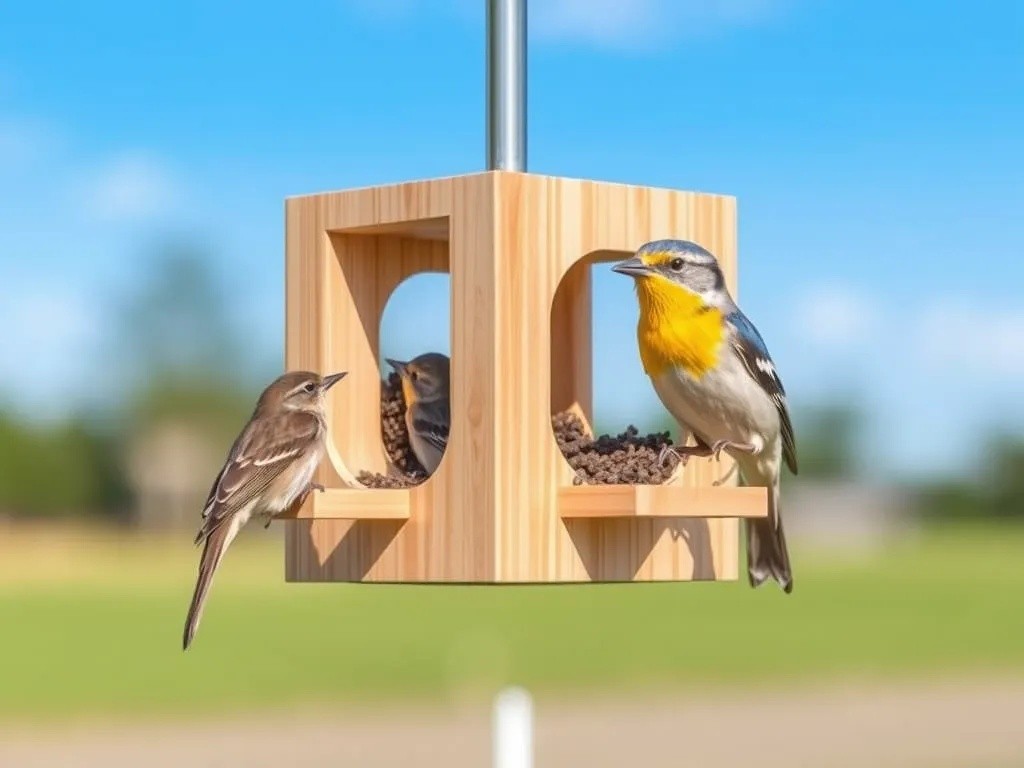
Birdwatching has entered the digital age with smart bird feeders that automatically identify visiting species and maintain detailed visitor logs. These intelligent devices combine high-resolution cameras, artificial intelligence, and connectivity features to transform casual backyard feeding into a data-rich nature observation experience that contributes to scientific research.
The Technology Behind Smart Bird Feeders
Modern smart bird feeders integrate several sophisticated technologies to deliver their remarkable capabilities. At their core, these devices combine sensors, processing power, and connectivity to create comprehensive bird monitoring stations.
Camera and Sensor Systems
High-quality cameras capture images and video of visiting birds. Many devices include:
- High-resolution cameras capable of capturing detailed feather patterns
- Wide-angle lenses that cover the entire feeding area
- Motion sensors that activate recording only when birds are present
- Night vision capabilities for low-light observation
- Weather-resistant housings that protect electronics in all conditions
Artificial Intelligence Recognition
The AI component represents the technological heart of these devices. Machine learning models trained on thousands of bird images can identify species with remarkable accuracy. These systems analyze multiple visual characteristics including body shape, size, coloration patterns, beak shape, and behavioral traits to distinguish between similar-looking species.
Features That Delight Birdwatchers
Real-Time Notifications
Smart feeders send alerts to owners' smartphones when birds visit. Users can receive notifications for all visitors or configure alerts for specific species they want to observe. Imagine receiving a message that a rare warbler has arrived at your feeder while you're at work, complete with photos and video.
Comprehensive Visit Statistics
These devices compile detailed statistics about feeder activity:
- Total number of visits per day, week, month, and year
- Species diversity metrics showing variety of visitors
- Peak visiting times identifying when birds are most active
- Seasonal trends revealing migration patterns
- Individual bird tracking for species with distinctive markings
- Food consumption rates helping optimize refill schedules
Photo and Video Libraries
Every visit generates photographic documentation. Users build extensive libraries of bird images captured at their feeders. The best shots can be shared on social media or submitted to birding communities. Some devices even capture slow-motion video of birds in flight.
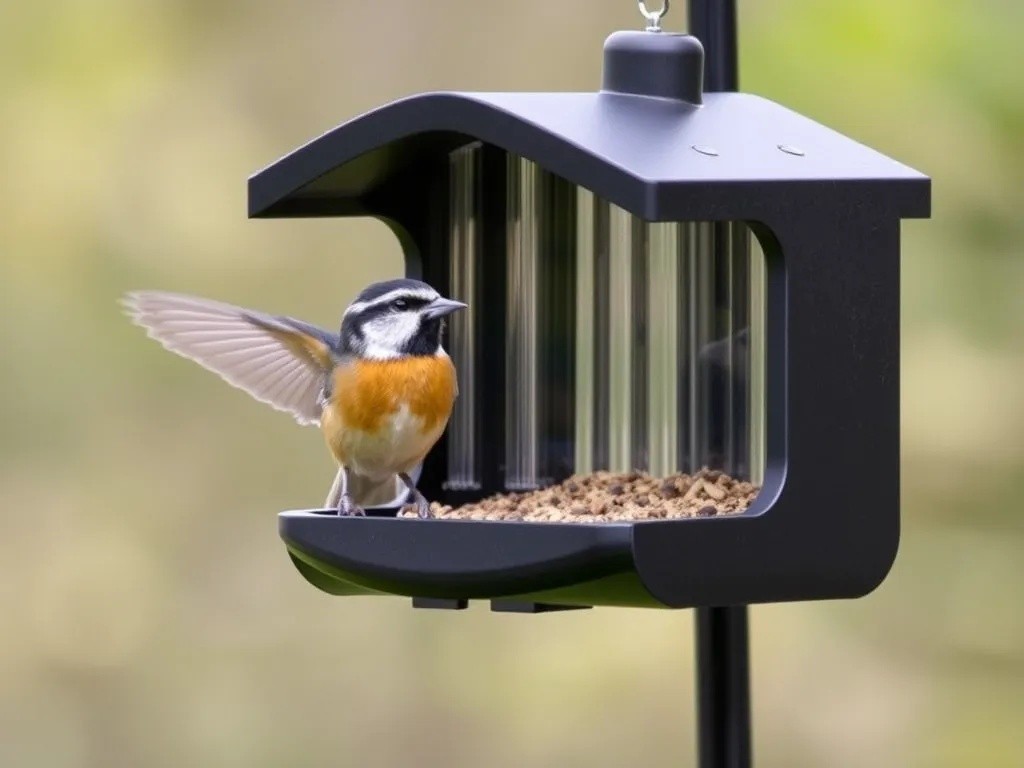
Contributing to Citizen Science
Data Collection at Scale
Thousands of smart bird feeders operating simultaneously create unprecedented data collection opportunities. Aggregated information from these devices helps researchers track bird populations, monitor migration patterns, and identify concerning trends that might indicate environmental problems.
Early Warning Systems
Networks of smart feeders can detect unusual patterns that warrant investigation. Sudden decreases in visits from particular species might signal disease outbreaks or habitat disruption. Conversely, unexpected appearances of species outside their normal range could indicate climate-driven range shifts.
Long-Term Population Studies
Traditional bird surveys require trained observers spending limited time at specific locations. Smart feeders provide continuous monitoring, generating data volumes that were previously impossible to collect. This information supports long-term studies of bird population dynamics.
Educational Applications
Learning Bird Identification
Smart feeders serve as excellent educational tools. When the device identifies a visitor, users can access information about that species, including habitat preferences, diet, migration patterns, and conservation status. Over time, users develop their own identification skills.
Classroom Integration
Schools install smart feeders to bring nature study into the curriculum. Students monitor visitor statistics, track seasonal changes, and learn about local ecosystems through direct observation. The technology transforms abstract biology concepts into tangible, engaging experiences.
Practical Considerations for Users
Installation and Setup
Most smart feeders require WiFi connectivity to transmit data and notifications. Placement should consider both bird preferences and network signal strength. Solar-powered models eliminate the need for electrical connections, expanding placement options.
Maintenance Requirements
Beyond regular food refills, smart feeders need occasional camera lens cleaning and software updates. Quality devices are designed for minimal maintenance, with weather-resistant construction that withstands years of outdoor exposure.
Privacy and Environmental Concerns
Responsible manufacturers address privacy concerns by ensuring cameras capture only the feeder area. Environmental considerations include using sustainable materials and designing feeders that don't disrupt natural feeding behaviors or create dependency.
The Future of Smart Birdwatching
Developers continue enhancing smart feeder capabilities. Future devices may include audio recognition for bird calls, integration with home automation systems, and even artificial intelligence that predicts which species might visit based on weather and seasonal factors.
As recognition accuracy improves and prices decrease, smart bird feeders will become standard equipment for serious birdwatchers. The combination of personal enjoyment and scientific contribution makes these devices uniquely valuable additions to any nature enthusiast's toolkit.
Conclusion
Smart bird feeders represent a perfect synthesis of technology and nature appreciation. By automatically identifying visitors and compiling comprehensive statistics, these devices enhance the birdwatching experience while generating valuable scientific data. For anyone who has wondered exactly which birds visit their backyard and when, smart feeders provide answers while opening windows into the fascinating world of avian behavior right outside the window.