

In recent years, there has been a significant advancement in the field of Artificial Intelligence (AI) and Augmented Reality (AR). These technologies have become increasingly popular and have the potential to enhance virtual experiences in various fields such as gaming, education, healthcare, and...
Smart Collar Tells Pet Owners What Their Dog Is Thinking
791
27.01.2026
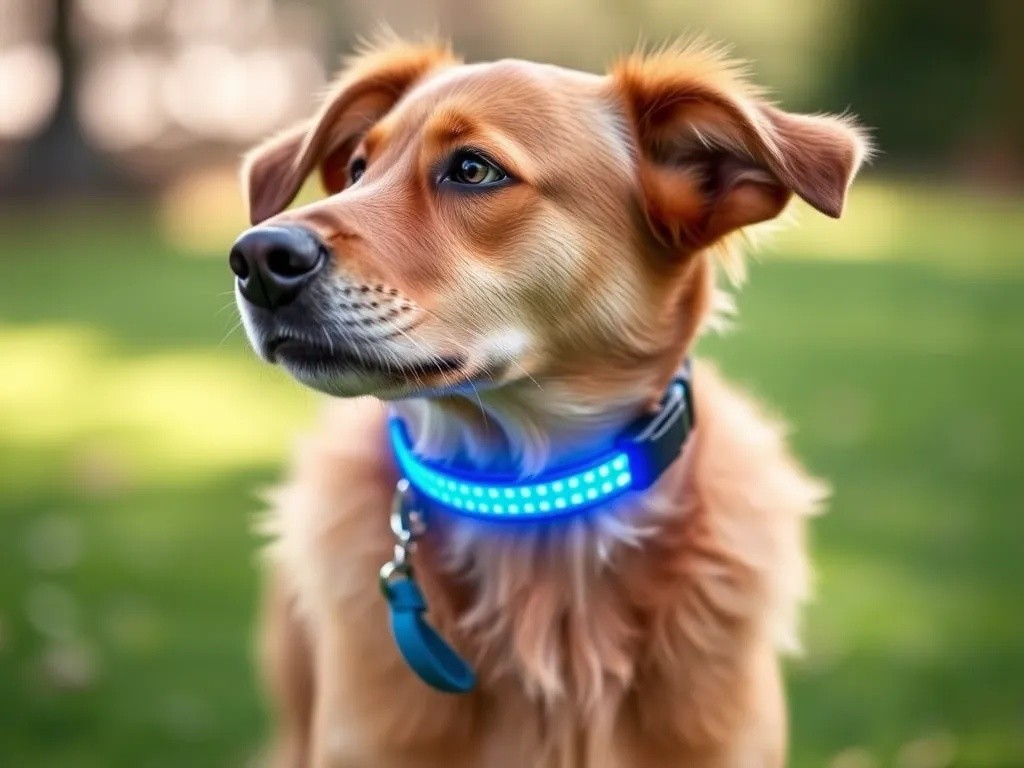
Every dog owner has wondered what goes through their furry companion's mind. Is that wagging tail a sign of pure joy or nervous anticipation? Does that bark mean excitement or anxiety? A revolutionary smart collar equipped with artificial intelligence sensors now claims to bridge the communication gap between humans and their canine friends, translating complex behavioral and physiological signals into insights that pet owners can actually understand.
The Science Behind Canine Communication
Dogs communicate through an intricate combination of vocalizations, body language, and physiological changes that most humans struggle to interpret correctly. The smart collar addresses this challenge by monitoring multiple data streams simultaneously and using machine learning algorithms to decode their meaning.
Sensors and Data Collection
The collar integrates several sophisticated monitoring systems:
- Heart rate variability sensors detecting emotional arousal
- Accelerometers tracking movement patterns and posture
- Temperature monitors identifying stress responses
- Acoustic analyzers interpreting bark frequency and patterns
- GPS tracking for location-based behavioral context
Artificial Intelligence Interpretation
Raw sensor data means little without proper interpretation. The collar's AI has been trained on thousands of hours of annotated dog behavior, with veterinary behaviorists identifying emotional states and correlating them with physiological signatures. This training allows the system to recognize patterns indicating happiness, anxiety, hunger, playfulness, discomfort, and numerous other states.
What the Collar Can Tell You
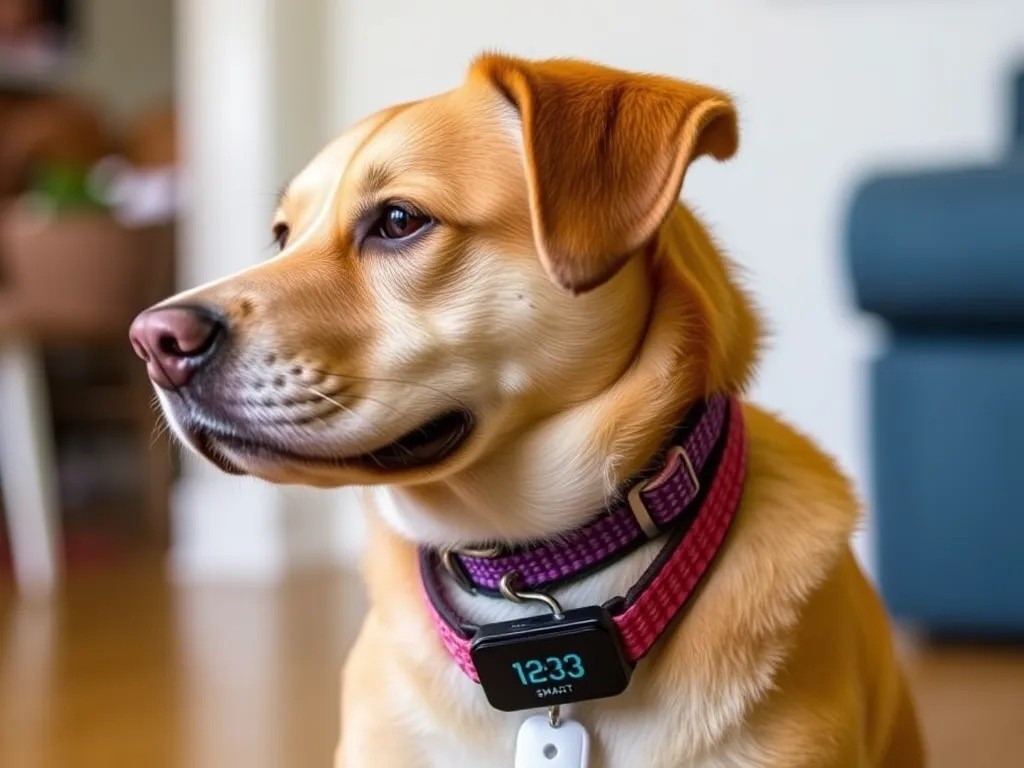
The companion smartphone application translates the collar's findings into simple, actionable insights. Throughout the day, owners receive notifications explaining their dog's current emotional state and potential needs. The system provides several categories of information that help pet owners better understand and care for their companions.
Emotional State Reports
The collar identifies and reports on various emotional conditions including contentment during rest, excitement during play, anxiety when alone, and frustration when needs go unmet. These real-time updates help owners respond appropriately to their pet's emotional needs, strengthening the human-animal bond through better understanding.
Health Monitoring
Beyond emotional interpretation, the collar monitors physiological patterns that might indicate health issues. Unusual heart rate patterns, decreased activity levels, or changes in sleep quality can alert owners to potential problems before they become serious. Several veterinarians have praised this preventive monitoring capability as a valuable tool for early disease detection.
Improving the Lives of Dogs and Owners
The smart collar has demonstrated particular value in specific situations where understanding canine needs proves especially important. Owners report significant improvements in their ability to address behavioral issues and meet their pets' needs proactively.
Separation Anxiety Management
Many dogs suffer from separation anxiety, exhibiting distress when their owners leave. The collar helps owners understand the severity of their dog's anxiety and track whether behavioral interventions or training protocols are producing improvements. Some users have successfully reduced their dogs' anxiety by identifying specific triggers and adjusting their routines accordingly.
Training Enhancement
Dog trainers have begun incorporating collar data into their programs, using emotional state information to optimize training sessions. Understanding when a dog feels frustrated, confused, or confident allows trainers to adjust their methods in real-time, producing faster and more reliable results.
Limitations and Considerations
While the technology represents a significant advancement in pet care, experts caution that it cannot read minds in a literal sense. The system interprets physiological correlates of emotional states rather than accessing actual thoughts. Individual dogs may also show variation in how their emotions manifest physically, requiring calibration periods for optimal accuracy.
Veterinary behaviorists emphasize that the collar should complement rather than replace professional consultation for serious behavioral or health concerns. Nevertheless, as the technology continues improving through expanded datasets and refined algorithms, it promises to transform how humans understand and interact with their canine companions.