

In recent years, there has been a significant advancement in the field of Artificial Intelligence (AI) and Augmented Reality (AR). These technologies have become increasingly popular and have the potential to enhance virtual experiences in various fields such as gaming, education, healthcare, and...
Smart Inhaler Adjusts Medication Doses to the Patient’s Breathing Pattern
40
01.09.2026
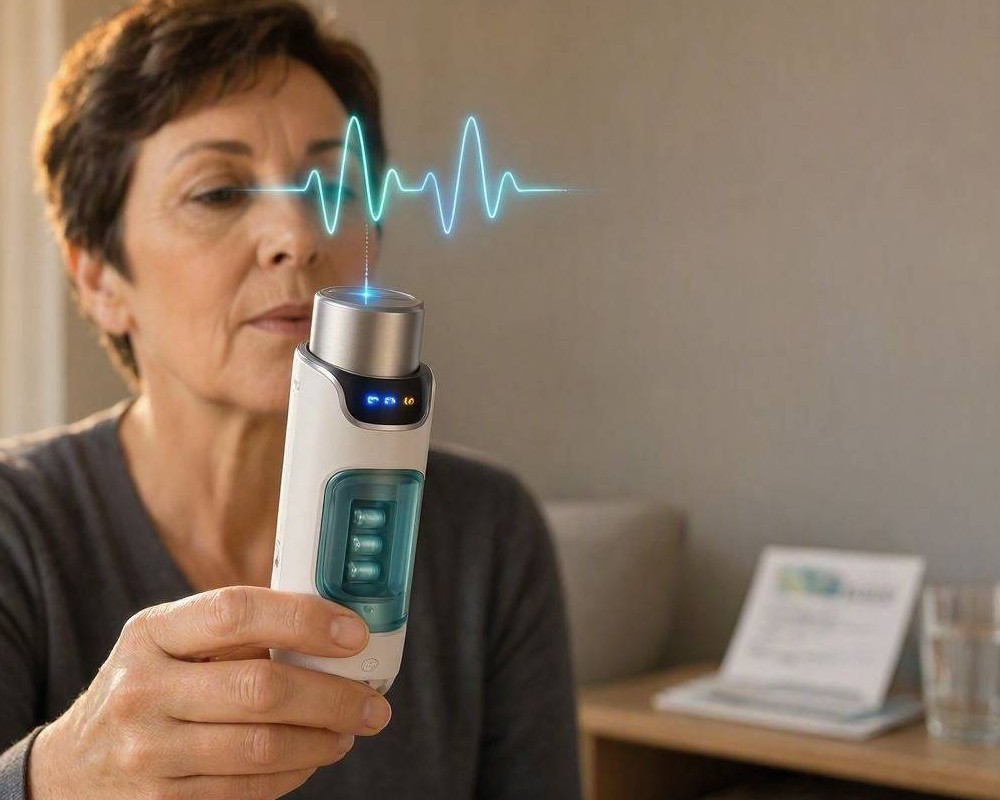
A smart inhaler that responds to an individual’s breathing pattern could make respiratory treatment more precise. By measuring airflow during each inhalation, the device can determine when and how medication should be released. This approach may help patients receive a more consistent amount of medicine in the lungs while reducing losses caused by poor timing or incorrect technique.
How Breathing-Responsive Inhalers Work
Traditional inhalers often require the patient to press a canister and inhale at the correct moment. If coordination is poor, part of the dose may remain in the mouth or escape into the air. Dry powder inhalers present a different challenge: patients must generate enough inspiratory flow to draw medicine deep into the respiratory tract.
Sensors Monitor Each Inhalation
A breathing-responsive inhaler uses compact sensors to measure factors such as airflow rate, inhalation duration, pressure, and inhaled volume. The resulting data create a real-time profile of the patient’s breathing effort. Some systems may also detect whether the inhaler is positioned correctly or whether the user pauses before exhaling.
Software Controls Medication Release
An embedded algorithm interprets the sensor readings and identifies the most effective point in the breath cycle for aerosol delivery. Depending on the device design, it may adjust the timing, duration, or amount of medication released within limits established by the prescription. The goal is not uncontrolled self-dosing, but more accurate delivery of an authorized dose.
Potential Benefits for Respiratory Care
Adaptive inhaler technology could be useful for people with asthma, chronic obstructive pulmonary disease, and other conditions treated with inhaled medicines. Breathing capacity can vary between patients and may also change during an exacerbation, after exercise, or as a disease progresses.
- Better lung deposition: Medication can be released when airflow is most favorable for reaching the lower airways.
- Fewer coordination errors: Automatic breath detection reduces reliance on precisely timed manual activation.
- Personalized feedback: The inhaler can identify short, weak, or interrupted breaths and guide the user toward better technique.
- Adherence monitoring: Recorded usage data can show when doses were taken and whether inhalation was completed successfully.
- Clinical insight: Changes in breathing performance may help clinicians recognize worsening respiratory control.
Support for Patients With Limited Inspiratory Strength
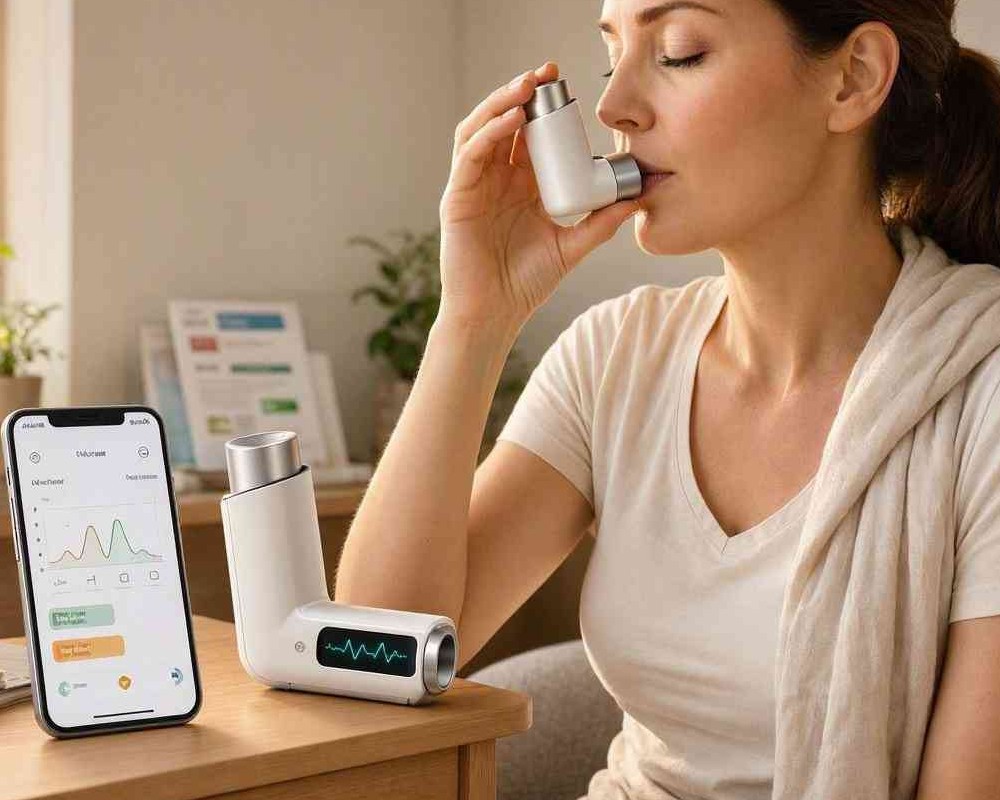
Children, older adults, and patients experiencing severe airway obstruction may struggle to use conventional devices consistently. A smart inhaler can recognize a weaker inhalation and modify delivery timing where the approved mechanism permits. It may also notify the patient when a breath is insufficient, preventing the false assumption that a full dose reached the lungs.
Safety, Accuracy, and Medical Oversight
Any device that influences medication delivery requires rigorous validation. Sensors must remain accurate despite temperature changes, moisture, repeated cleaning, and differences in inhaler orientation. Algorithms also need testing across diverse age groups, breathing patterns, and disease severities.
Dose Adjustment Requires Clear Limits
A smart inhaler should operate only within clinician-defined and regulator-approved parameters. It must not independently increase treatment beyond prescribed limits. Safety features may include maximum dose controls, lockout periods, low-battery warnings, error detection, and a manual backup option. Patients should still follow their treatment plans and seek medical advice when symptoms worsen.
Data Privacy Matters
Connected inhalers may transmit records to a mobile application or clinical platform. Manufacturers and healthcare providers must protect this information through encryption, secure authentication, transparent consent, and appropriate retention policies. Patients should know what is collected, who can access it, and whether sharing can be disabled.
What Smart Inhalers Could Change
Breathing-responsive delivery shifts inhaler design from a fixed mechanical action toward individualized therapy. When combined with reliable sensors, careful dose controls, and professional oversight, the technology could improve medication consistency and reveal problems that routine appointments miss. It does not replace diagnosis or clinical judgment, but it may give patients and clinicians a clearer picture of how treatment works during everyday life.