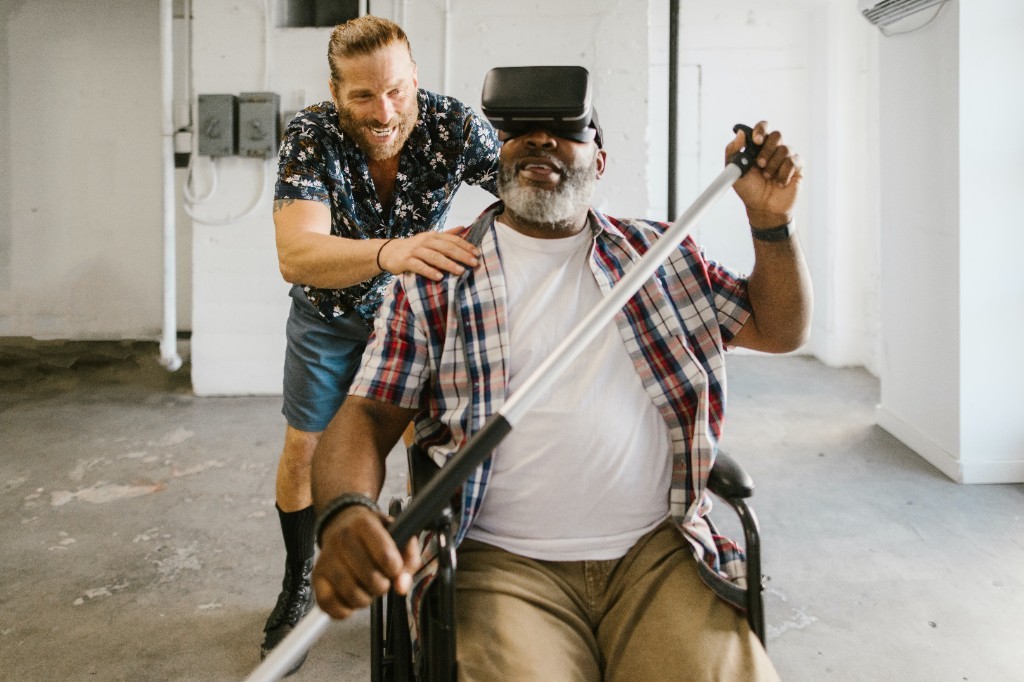
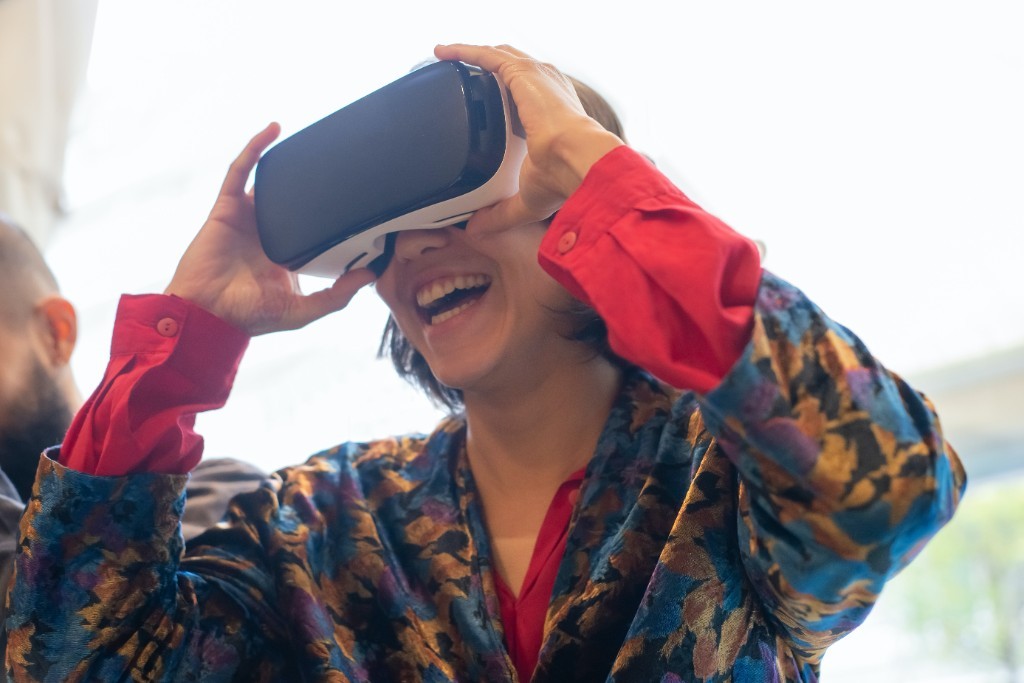
In recent years, there has been a significant advancement in the field of Artificial Intelligence (AI) and Augmented Reality (AR). These technologies have become increasingly popular and have the potential to enhance virtual experiences in various fields such as gaming, education, healthcare, and...
Smart Keyboard Fixes Spelling Mistakes Before You Make Them
524
13.01.2026
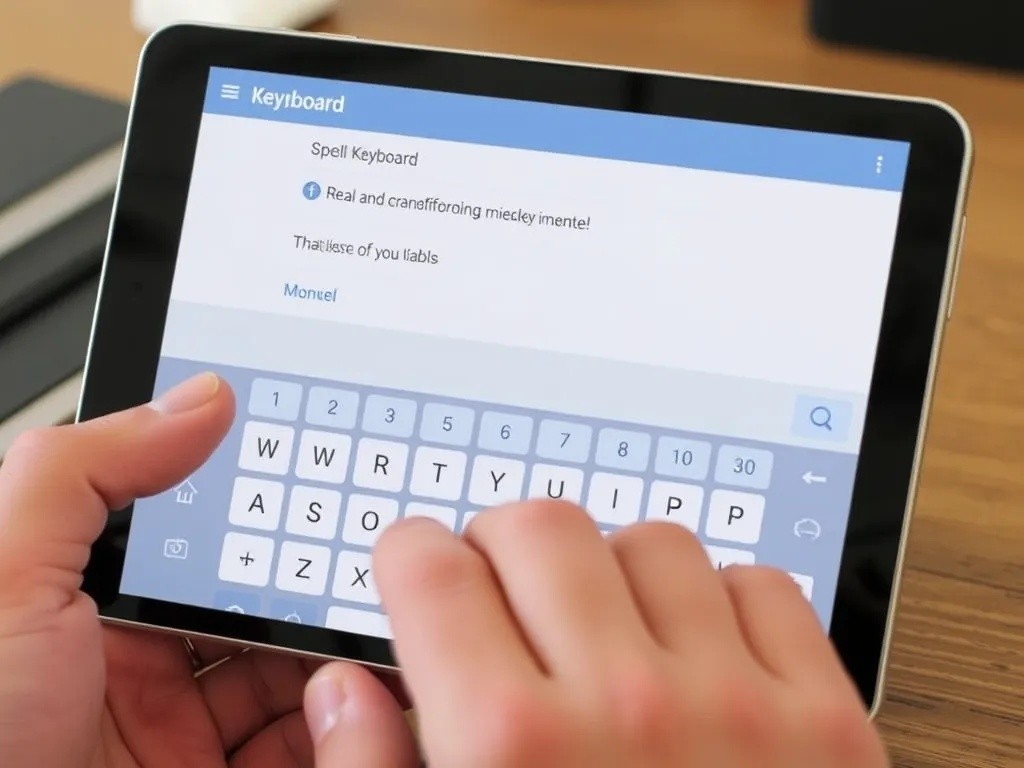
Everyone makes typing errors. Fingers slip, autocorrect fails, and even skilled typists occasionally produce gibberish. Traditional spell-checkers catch mistakes after they happen, interrupting workflow and requiring conscious correction. Smart keyboards powered by artificial intelligence are changing this reactive approach into a proactive one, predicting and preventing spelling mistakes before they appear on screen. This technology promises to make typing faster, more accurate, and less frustrating for everyone from professional writers to casual texters.
Understanding Predictive Error Prevention
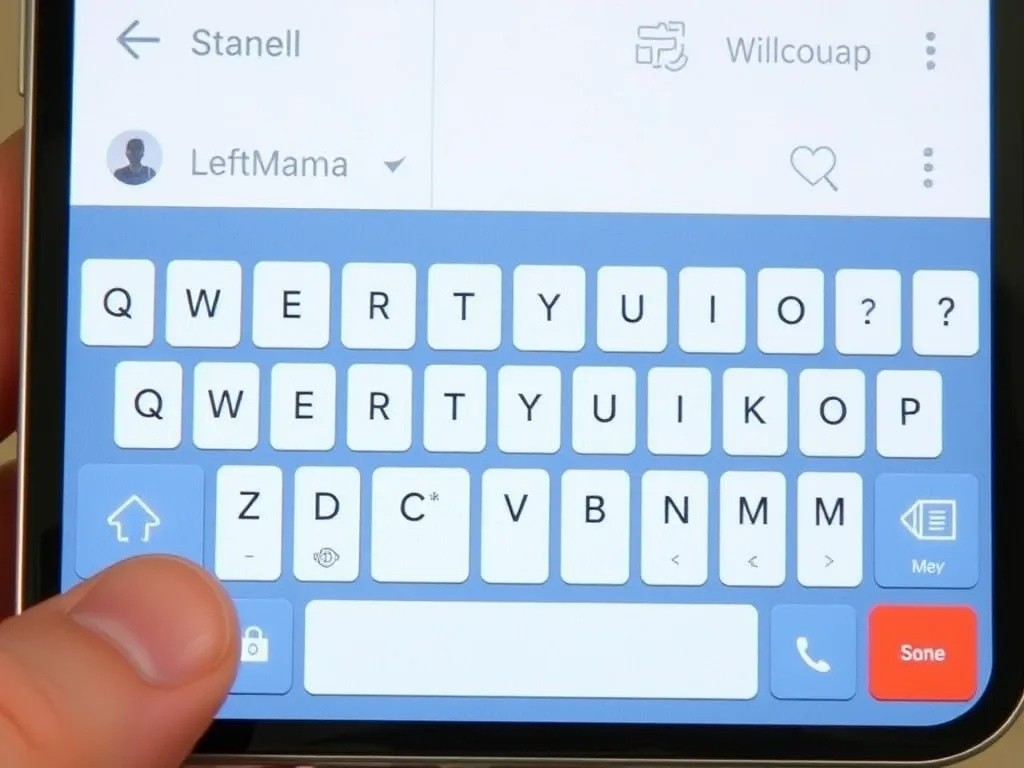
Smart keyboards represent a fundamental shift from error correction to error prevention. Rather than waiting for mistakes and fixing them afterward, these systems analyze typing patterns in real-time, predicting likely errors before they occur. The technology understands context, recognizes individual typing habits, and anticipates what users intend to write even when fingers move toward wrong keys.
The Technology Behind Smart Keyboards
These systems employ sophisticated machine learning algorithms trained on billions of typing examples. The keyboards continuously monitor typing speed, rhythm, and patterns, building profiles of individual users' habits. Natural language processing engines understand sentence context, predicting which words make logical sense given what's already written. Advanced models even consider user vocabulary, writing style, and common personal mistakes.
Core technological components include:
- Real-time keystroke analysis detecting unusual patterns indicating potential errors
- Contextual language models predicting intended words based on surrounding text
- Personal typing profile systems learning individual mistakes and preferences
- Probability algorithms calculating likelihood of intended versus actual keystrokes
- Instant correction systems that adjust input before characters appear on screen
How Prevention Works in Practice
Anticipating Common Mistakes
Smart keyboards recognize typical typing errors before they materialize. When fingers move toward "teh" instead of "the," the system recognizes this common transposition error and automatically inputs the correct sequence. Similarly, if someone frequently types "recieve" instead of "receive," the keyboard learns this pattern and makes the correction automatically, preventing the error from ever appearing.
Context-Aware Correction
Unlike simple autocorrect that considers only individual words, smart keyboards understand entire sentences. If typing "I went to the store too buy milk," the system recognizes that "too" doesn't fit the context and changes it to "to" automatically. The technology distinguishes between "their," "there," and "they're" based on grammatical context, preventing homophone confusion that plagues traditional spell-checkers.
Learning Personal Patterns
Everyone has unique typing quirks and common mistakes. Smart keyboards learn these individual patterns over time. Someone who consistently types "q" instead of "a" because their fingers rest slightly offset gets automatic compensation for this tendency. The system adapts to personal vocabulary, technical terminology, and proper nouns important to individual users, preventing incorrect "corrections" of specialized words.
Benefits Across Different Use Cases
Professional Writing
Writers, journalists, and content creators benefit enormously from error prevention. The technology maintains writing flow by eliminating the need to stop and fix mistakes. Deadlines become less stressful when first drafts emerge cleaner. Professional correspondence looks more polished without requiring extensive proofreading. The reduction in typos means less time editing and more time creating quality content.
Academic and Educational Settings
Students writing essays and research papers produce cleaner work with smart keyboards. The technology helps those with dyslexia or other learning differences that affect spelling, reducing frustration and improving confidence. Foreign language learners receive support with unfamiliar spelling patterns. Teachers spend less time correcting basic spelling errors and more time addressing substantive content issues.
Business Communications
In professional environments, typo-free emails and messages project competence and attention to detail. Smart keyboards prevent embarrassing mistakes in client communications, presentations, and important documents. The technology proves especially valuable when typing quickly during meetings or urgent situations where errors might otherwise slip through.
Accessibility Applications
People with motor control difficulties, arthritis, or other physical challenges that affect typing accuracy find smart keyboards transformative. The technology compensates for tremors, reduced precision, and fatigue that cause errors. Elderly users who struggle with small keys or declining dexterity type with new confidence. The accessibility benefits extend to anyone using devices with small touchscreen keyboards where accurate typing is inherently difficult.
Advanced Features and Capabilities
Multi-Language Support
Modern smart keyboards handle multiple languages simultaneously, detecting when users switch between languages and adjusting error prevention accordingly. Bilingual writers receive appropriate corrections in both languages without manual switching. The systems learn mixed-language patterns common in multilingual communications, preventing inappropriate corrections when legitimate foreign words appear in primarily English text.
Style and Tone Adaptation
Advanced keyboards understand different writing contexts, adjusting suggestions based on whether users are writing formal emails, casual texts, or creative fiction. The system might suggest more formal vocabulary in professional documents while accepting casual abbreviations in messaging apps. Some implementations even adapt to genre-specific vocabulary in fields like medicine, law, or technology.
Voice and Writing Assistant Integration
Smart keyboards increasingly integrate with broader writing assistance tools. Beyond preventing spelling errors, they suggest better word choices, identify grammatical issues, and even recommend sentence restructuring for clarity. The boundary between keyboard and comprehensive writing assistant continues blurring as artificial intelligence capabilities expand.
Challenges and Concerns
Over-Correction Issues
Aggressive error prevention sometimes corrects things that shouldn't be changed. Technical jargon, proper names, and intentional creative spelling get "fixed" inappropriately. Users become frustrated when the keyboard constantly changes legitimate words. Balancing helpful prevention with respect for user intent remains an ongoing challenge. Most systems allow users to override corrections and teach the keyboard about acceptable exceptions.
Dependency and Skill Erosion
Critics worry that relying on smart keyboards might erode basic spelling skills. If technology prevents all mistakes, do people lose the ability to spell correctly independently? Educators express concern about students never learning proper spelling because devices always compensate. Proponents argue that the technology simply removes tedious mechanics, allowing focus on higher-order thinking and creativity, much like calculators didn't eliminate mathematical understanding.
Privacy and Data Collection
Smart keyboards analyzing every keystroke raise significant privacy concerns. The systems must collect and process everything users type to function effectively. This data collection presents security risks if keyboards are compromised. Users worry about sensitive information like passwords, financial details, or confidential communications being captured. Keyboard developers must implement strong encryption and transparent data policies to address these legitimate concerns.
Impact on Communication
By reducing typing errors, smart keyboards are subtly changing communication standards. The prevalence of clean, error-free text sets new expectations for written communication. Occasional typos that were once overlooked become more noticeable when most people produce flawless text. This shift pressures those without access to smart keyboard technology to maintain higher standards manually, potentially creating new digital divides.
The technology also influences writing speed and spontaneity. People type faster when confident that mistakes will be caught, leading to more rapid communication. However, some worry this increased speed reduces thoughtfulness, encouraging hasty responses over carefully considered communication.
Future Developments
Next-generation smart keyboards will integrate even more sophisticated artificial intelligence. Future systems might predict entire sentences based on minimal input, essentially functioning as thought-to-text translators. Brain-computer interface research suggests eventual keyboards that respond to intended keystrokes before physical movement begins, preventing errors at the neurological level.
Contextual awareness will expand beyond linguistic patterns to understand user emotional state, meeting schedules, and current activities, providing hyper-personalized correction and suggestion systems. Integration with augmented reality could project virtual keyboards that adapt size and layout based on individual hand ergonomics, preventing errors caused by physical device limitations.
Conclusion
Smart keyboards that prevent spelling mistakes before they occur represent significant progress in human-computer interaction. By combining predictive algorithms, contextual understanding, and personalized learning, these systems make typing more accurate and efficient for users across all skill levels and use cases. While challenges around over-correction, skill development, and privacy require careful consideration, the benefits for productivity, accessibility, and communication quality are substantial. As artificial intelligence continues advancing, the line between human intent and digital execution will blur further, creating writing experiences that feel natural, effortless, and error-free. The future of typing isn't just about catching mistakes—it's about preventing them entirely.