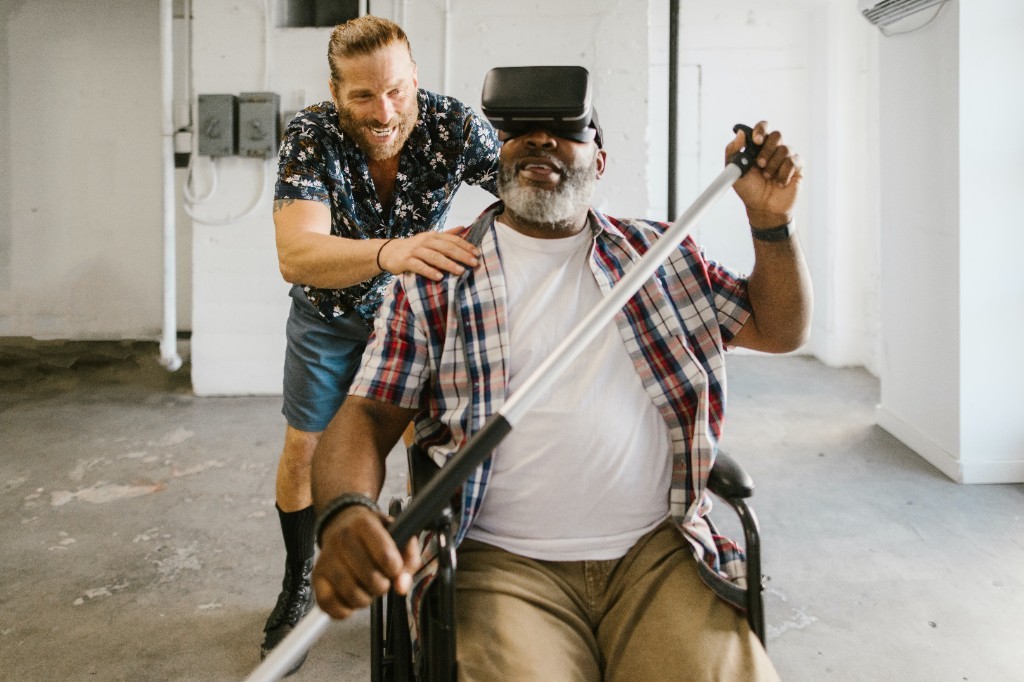
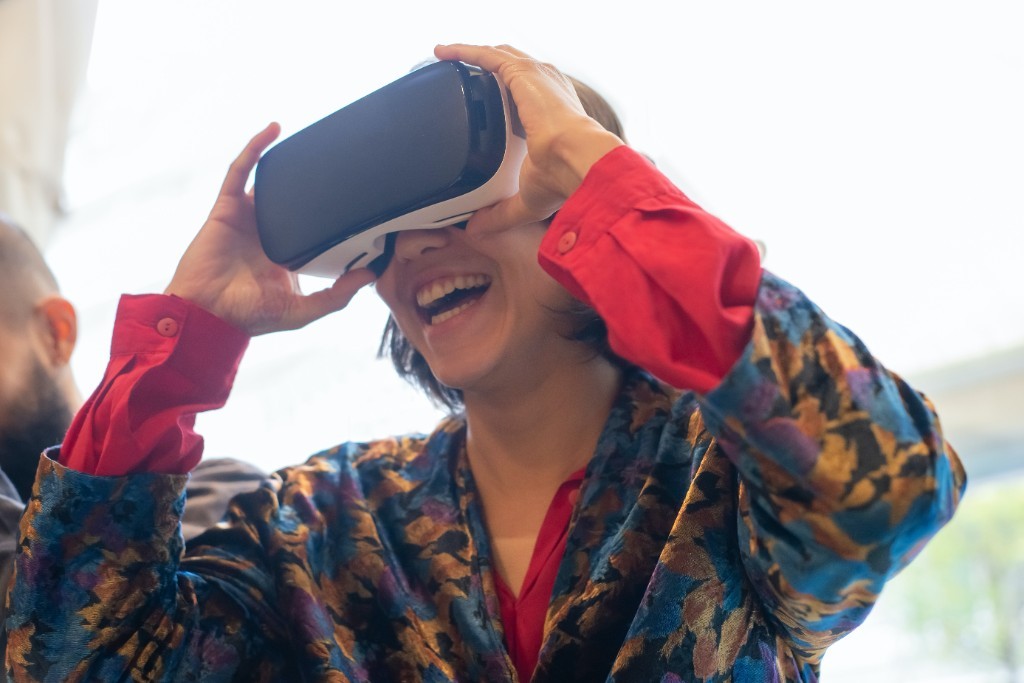
In recent years, there has been a significant advancement in the field of Artificial Intelligence (AI) and Augmented Reality (AR). These technologies have become increasingly popular and have the potential to enhance virtual experiences in various fields such as gaming, education, healthcare, and...
Smart Mirror Suggests Outfits From Your Closet
579
12.12.2025
The Digital Stylist in Your Bedroom
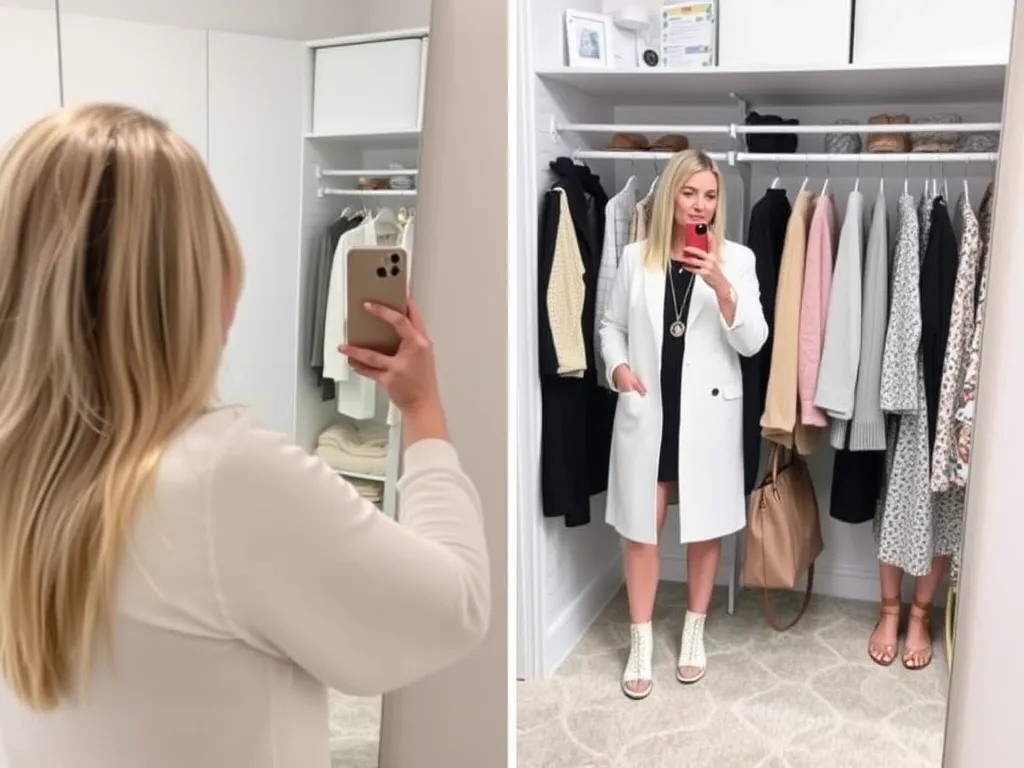
The morning struggle to decide what to wear has met its technological solution in the form of AI-powered smart mirrors. These innovative devices are transforming personal fashion management by providing personalized outfit recommendations using clothes the user already owns. Far beyond reflecting your image, these intelligent mirrors function as personal stylists, understanding your wardrobe, preferences, and needs to streamline daily outfit selection.
Equipped with advanced computer vision, machine learning algorithms, and intuitive user interfaces, smart mirrors scan and catalog clothing items, analyze style patterns, and learn individual preferences over time. The result is a seamless experience that reduces decision fatigue while helping people maximize their existing wardrobe investments.
How the Technology Works
The foundation of smart mirror technology begins with comprehensive wardrobe digitization. During setup, users either photograph their clothing items or allow the mirror's built-in cameras to scan their closet. The system's computer vision algorithms identify each garment, categorizing them by type, color, pattern, material, and style. This digital inventory becomes the palette from which the mirror creates outfit suggestions.
Advanced models include environmental sensors that detect temperature and weather conditions, ensuring recommendations are seasonally appropriate. Some systems integrate with users' calendars to understand the context of upcoming events and suggest suitable attire for business meetings, casual gatherings, or formal occasions.
The intelligence behind these mirrors grows more sophisticated through consistent interaction. Each time a user accepts or rejects a suggestion, the system refines its understanding of personal preferences. Some models even track which outfits receive compliments (as reported by the user) to further calibrate their recommendations toward socially validated choices.
Features Beyond Fashion Advice
Contemporary smart mirrors offer functionality that extends well beyond outfit recommendations:
- Virtual Try-On: Augmented reality allows users to see suggested outfits on their reflection without physically changing clothes.
- Outfit History: Tracks previously worn combinations to prevent repetition in professional settings.
- Gap Analysis: Identifies missing versatile pieces that would expand outfit possibilities.
- Shopping Integration: Suggests complementary new items from partner retailers that would pair well with existing wardrobe pieces.
- Occasion-Based Collections: Creates specialized outfit groups for travel, work capsules, or seasonal rotation.
- Style Evolution: Gradually introduces subtle variations to refresh a user's look while respecting core preferences.
User Experience and Interface Design
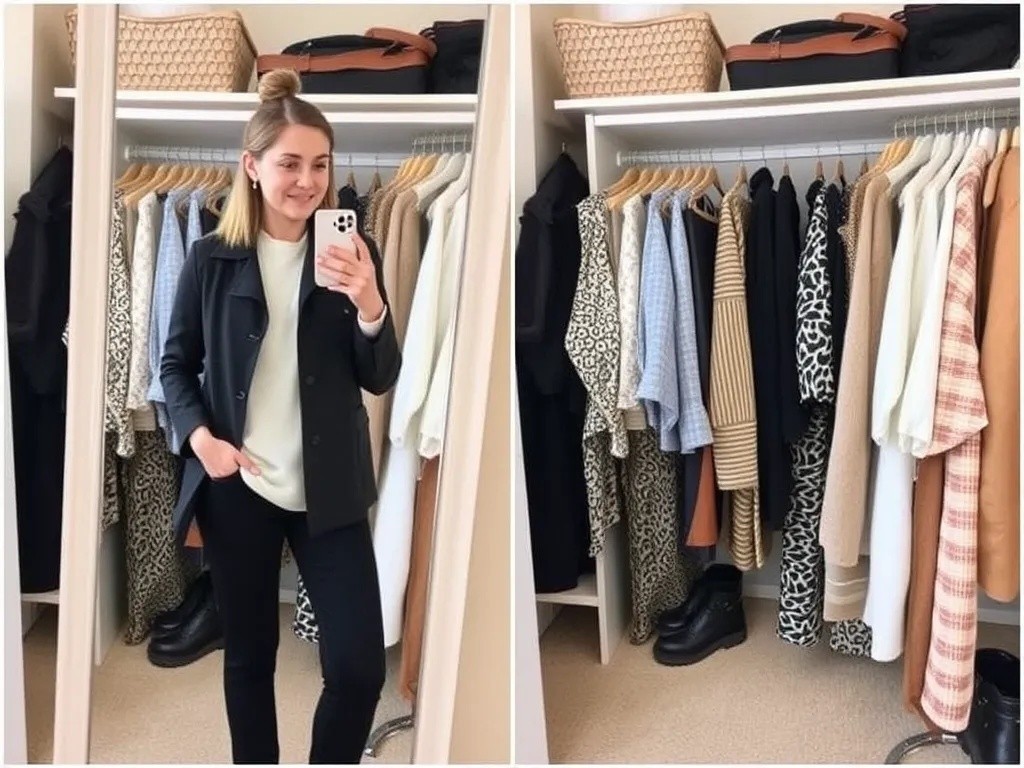
The most successful smart mirrors employ intuitive voice commands and gesture controls to create a frictionless experience. Users can request specific guidance ("Show me a business casual outfit for tomorrow") or browse suggestions with simple hand movements. The displays are designed to show both the complete outfit and alternate options for each component, allowing for easy mixing and matching.
Feedback mechanisms are deliberately simple, usually requiring just a thumbs-up or thumbs-down gesture to register preference. This low-effort interaction encourages consistent system training without becoming burdensome. Premium models also include conversational AI that can answer specific style questions or explain why certain items were paired together, providing an educational component that helps users develop their fashion sense.
Privacy and Data Considerations
Given the intimate nature of smart mirrors—devices with cameras in private spaces—manufacturers have implemented robust privacy protections. Leading systems process all image data locally on edge computing hardware rather than sending it to cloud servers. This approach ensures personal wardrobe information and body images remain on the device.
Users typically maintain complete control over whether their fashion preferences and clothing inventory can be used in aggregated, anonymized data to improve the system's recommendations. Most premium models function entirely offline after initial setup, with optional online features that users can enable or disable as desired.
Economic and Environmental Impact
Fashion industry analysts have noted that smart mirrors potentially contribute to more sustainable consumption patterns. By helping users maximize the utility of existing clothing and reducing impulse purchases, these devices may counteract fast fashion's environmental impact.
"When people discover new combinations of items they already own, they experience the dopamine hit of 'newness' without actual consumption," explains sustainable fashion consultant Maya Richardson. "Our research suggests smart mirror users report a 23% reduction in clothing purchases while simultaneously expressing higher satisfaction with their wardrobe."
This reduction in consumption, multiplied across thousands of users, could represent significant environmental savings in water usage, chemical processing, and textile waste. Some mirror manufacturers are partnering with environmental organizations to quantify and promote these sustainability benefits.
Market Adoption and Future Developments
While initially positioned as luxury devices, smart mirrors have seen rapidly declining price points as the technology matures. Mid-range models now retail for approximately the price of a quality smartphone, putting them within reach of fashion-conscious consumers across various income brackets. Industry projections suggest that within five years, smart mirrors could become as common in bedrooms as smart speakers are in living rooms today.
Early adopters have primarily been urban professionals aged 25-45, but manufacturers are increasingly targeting both younger demographics (with more social media integration) and older consumers (with simplified interfaces and classic style algorithms).
On the Horizon
The next generation of smart mirrors is already under development, with features that push the boundaries of current capabilities. These include fabric condition monitoring (identifying when garments show wear and need replacement), body measurement tracking for fit optimization, and integration with smart washing machines to manage clothing care automatically.
Some developers are exploring more speculative features like mood-based outfit recommendations that analyze facial expressions and biometric indicators to suggest clothing that might improve emotional states. Others are working on social features that allow friends or trusted stylists to remotely view and suggest outfits for special occasions.
As these devices continue to evolve from novelty gadgets to practical tools for daily life, they represent a fascinating intersection of fashion, artificial intelligence, and practical problem-solving—transforming the humble mirror from a passive reflection tool to an active participant in personal style development.