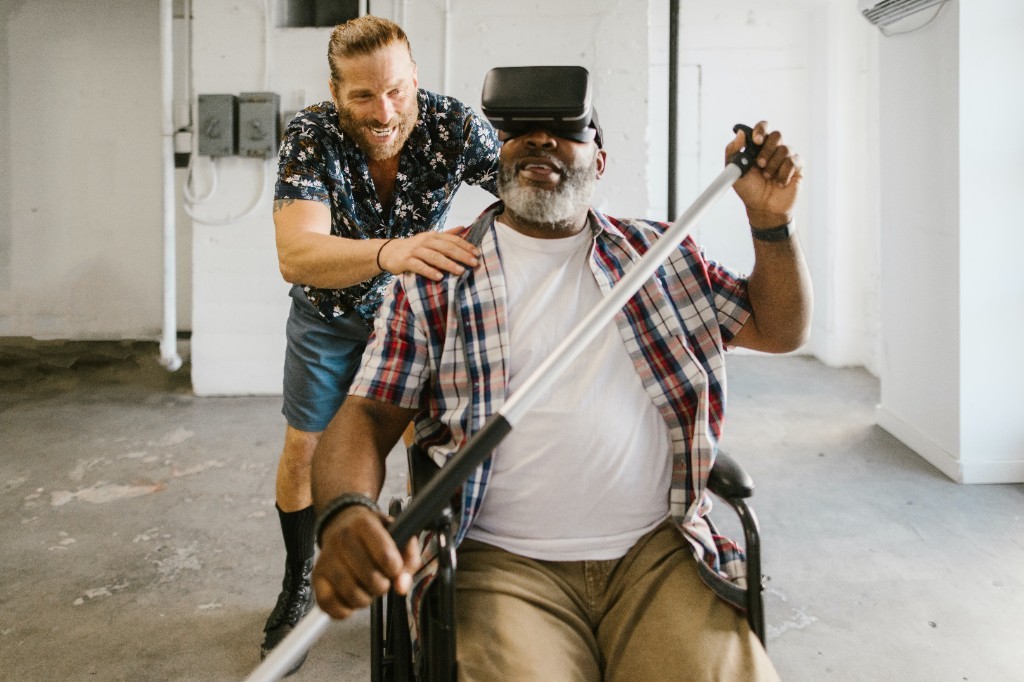

In recent years, there has been a significant advancement in the field of Artificial Intelligence (AI) and Augmented Reality (AR). These technologies have become increasingly popular and have the potential to enhance virtual experiences in various fields such as gaming, education, healthcare, and...
Smart Navigation: AI Program Helps Drivers Avoid Dangerous Road Sections
1086
22.02.2026
Introduction to Intelligent Road Safety
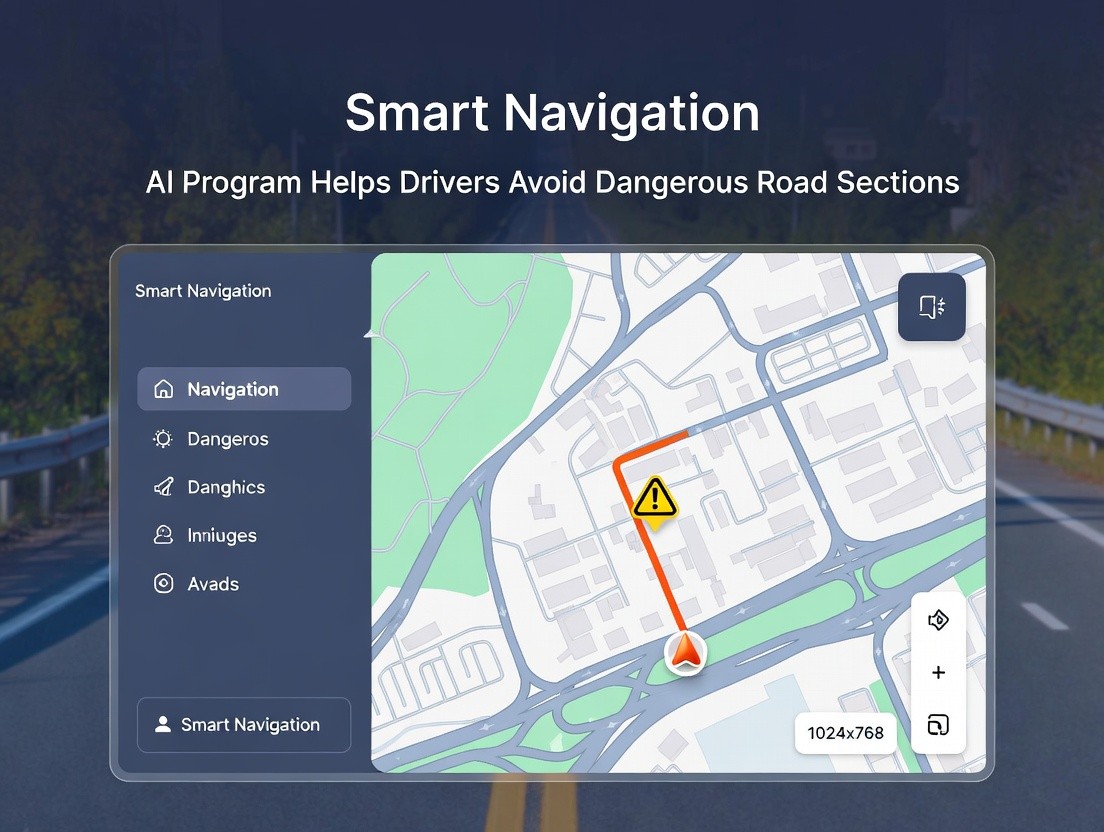
Traffic accidents claim hundreds of thousands of lives annually across the globe. Now, a sophisticated artificial intelligence program offers drivers a powerful tool to avoid dangerous road sections and accidents. By analyzing historical crash data, weather conditions, and real-time traffic patterns, this innovative system provides drivers with critical information to navigate safely.
How the AI-Powered Program Works
Data Analysis and Pattern Recognition
The program combines multiple data sources including police accident reports, insurance claims, GPS tracking information, and road sensor data. Machine learning algorithms identify patterns in where accidents most frequently occur and what conditions increase crash risk. The system can recognize dangerous sections by analyzing:
- Historical accident frequency at specific locations
- Weather conditions that increase risk
- Time of day and traffic volume patterns
- Road infrastructure conditions and design
- Driver behavior patterns
Real-Time Alert System
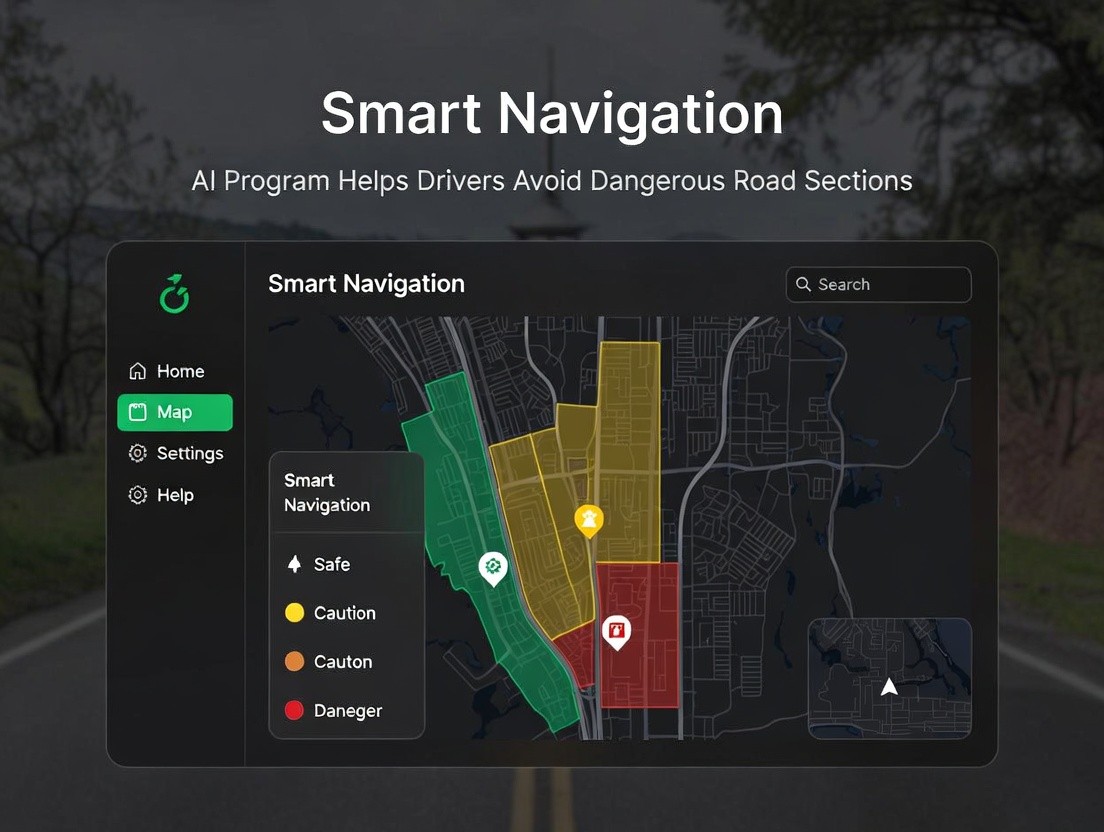
Once an accident-prone area is identified, the AI alerts drivers through their navigation systems. The alerts provide specific information about the hazard type, recommended speed reduction, and suggested alternative routes when available. Drivers receive warnings in advance, allowing them time to adjust their driving approach.
Safety Benefits and Impact
Accident Prevention
Pilot programs in multiple cities have shown that the system reduces accidents in targeted areas by up to 40%. When drivers know which sections of road are most dangerous, they can exercise greater caution, reduce speed, and increase following distances. This awareness translates directly into fewer collisions and injuries.
Personalized Risk Assessment
The program learns individual driver behavior patterns and provides customized alerts based on driving history. Inexperienced or younger drivers receive more detailed warnings, while the system adjusts recommendations based on a driver's typical behavior patterns.
Integration with Modern Vehicles
Seamless Connectivity
The AI system integrates with existing vehicle navigation systems and smartphone applications. Drivers don't need to purchase specialized hardware; the program works through standard infotainment systems and GPS devices already installed in most vehicles. This accessibility ensures rapid adoption across diverse driver populations.
Autonomous Vehicle Compatibility
As autonomous vehicles become more common, this program becomes even more valuable. Self-driving cars can automatically adjust speed and route selection based on the AI system's hazard identification, creating extremely safe transportation networks.
Data Privacy and Ethical Considerations
User Privacy Protection
The system aggregates data without collecting personal information about individual drivers. Location data is anonymized and combined with millions of other data points to identify dangerous areas rather than tracking specific individuals.
Transparency in Algorithm Design
Developers have made the program's decision-making processes transparent to regulators and the public. Users understand exactly how and why the system identifies particular roads as dangerous.
Future Development and Expansion
The program continues to improve as it processes more data. Machine learning models become increasingly accurate at predicting accident risk. Future versions will incorporate emerging technologies such as vehicle-to-vehicle communication and advanced weather prediction systems.
Conclusion
This AI-powered accident prevention program represents a significant advancement in road safety technology. By enabling drivers to make informed decisions about route selection and driving behavior, the system has the potential to save thousands of lives annually. As the technology continues to improve and expand to more regions, it promises to make our roads substantially safer for everyone.