
In recent years, there has been a significant advancement in the field of Artificial Intelligence (AI) and Augmented Reality (AR). These technologies have become increasingly popular and have the potential to enhance virtual experiences in various fields such as gaming, education, healthcare, and...
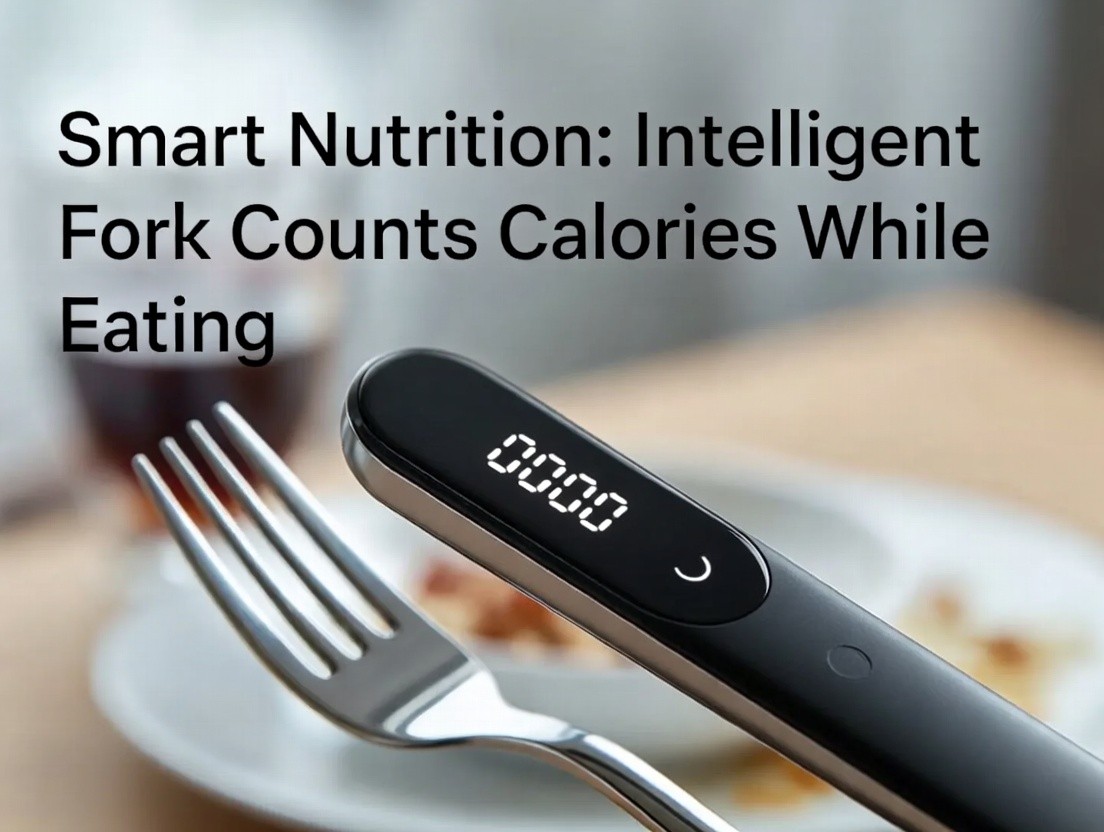
Smart Nutrition: Intelligent Fork Counts Calories While Eating
1107
10.03.2026
Introduction to AI-Powered Dietary Tracking
Maintaining a healthy diet typically requires tedious food tracking, recipe analysis, and calorie counting. A breakthrough innovation now simplifies this process through an intelligent fork equipped with advanced sensors and artificial intelligence. This revolutionary utensil analyzes food composition in real-time as users eat, providing immediate nutritional information and accurate calorie counts without interrupting the dining experience.
Technology Behind the Smart Fork
Advanced Sensor Integration
The fork contains multiple sensors that analyze food when it comes into contact with the utensil's surface. These sensors work in combination to gather comprehensive data about the food being eaten. The sophisticated sensor array includes:
- Spectroscopy sensors that analyze light reflection to identify food composition
- Temperature sensors that detect food heat properties
- Texture analysis sensors that measure food consistency
- Weight sensors that determine portion sizes
- Odor analysis sensors that identify specific food types
Artificial Intelligence Processing
Data from the sensors is processed by sophisticated machine learning algorithms that recognize food types and estimate nutritional content. The AI has been trained on millions of food images, composition analyses, and nutritional databases. It can identify specific ingredients within mixed dishes and provide detailed breakdowns of macro and micronutrients.
How the Smart Fork Works in Practice
Real-Time Analysis During Meals
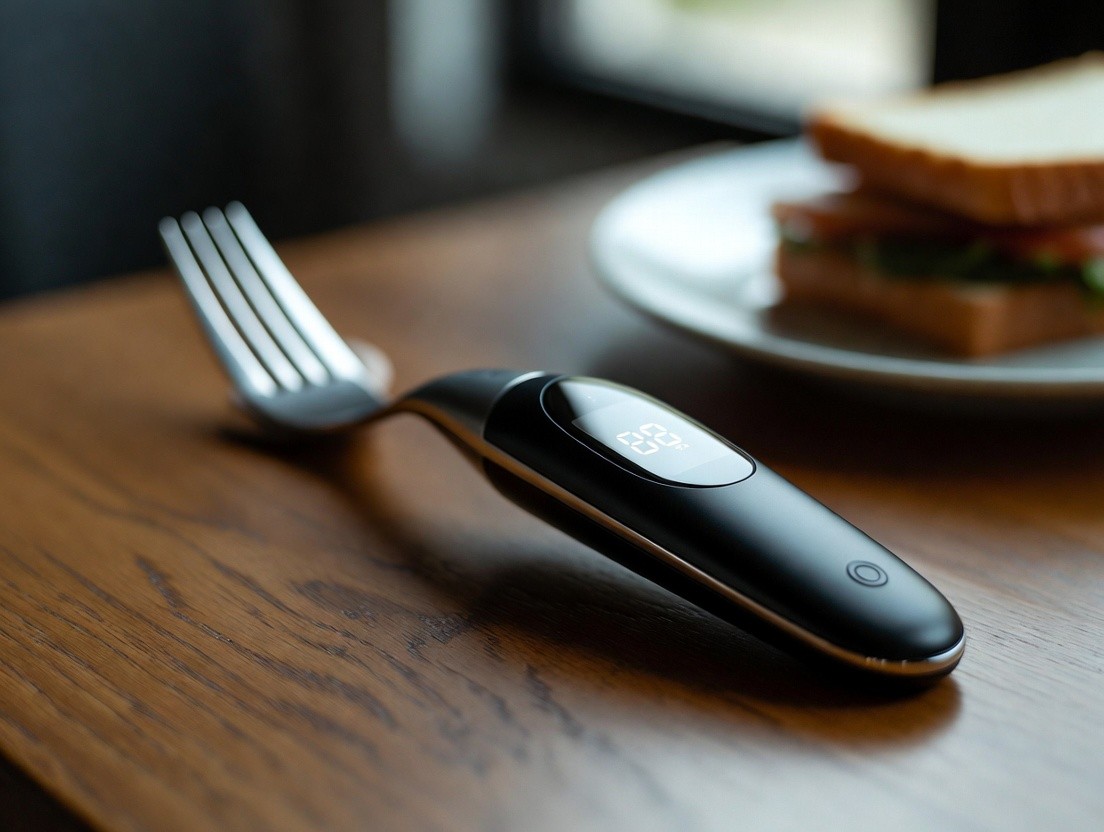
As users eat, they simply use the smart fork normally. Each time food touches the fork's sensor area, the device analyzes it. Information is processed through the AI system, which identifies the food type and estimates nutritional content. Results are displayed on the fork's small screen or sent to a connected smartphone application.
Personalized Nutrition Tracking
The system learns individual user preferences and dietary patterns. Over time, it becomes increasingly accurate for frequently-eaten foods. The fork integrates with health applications to track cumulative calorie intake throughout the day, helping users monitor their dietary goals.
Health and Wellness Benefits
Accurate Calorie Counting
Traditional calorie counting relies on food labels or user estimates, both of which can be inaccurate. The smart fork provides real-time, empirical measurements based on actual food composition. Studies show accuracy rates exceeding 95% for common foods, dramatically improving the reliability of dietary tracking.
Weight Management Support
For individuals trying to lose weight or maintain specific calorie targets, the fork provides immediate feedback about food composition. Users can make informed decisions during meals about portion sizes and food choices, enabling better dietary control than traditional tracking methods.
Nutritional Awareness
Beyond calories, the system tracks vitamins, minerals, proteins, fats, and carbohydrates. Users gain detailed insights into their nutritional intake, identifying dietary deficiencies or excessive consumption of specific nutrients. This awareness supports long-term health improvement and disease prevention.
Personalization and Adaptation
User Profile Customization
The fork adapts to individual users based on health conditions, dietary restrictions, and fitness goals. Diabetics receive glucose impact estimates, athletes track protein consumption for muscle development, and individuals managing specific health conditions receive customized nutritional guidance.
Machine Learning Improvement
The system improves continuously as it processes more eating data from millions of users. The collective database of food analyses enhances the AI's ability to recognize new foods and provide increasingly accurate nutritional estimates.
Practical Applications Beyond Weight Loss
Medical Nutrition Management
Patients managing conditions like diabetes, heart disease, or kidney disease require careful dietary control. The smart fork helps healthcare providers and patients monitor nutritional intake precisely, supporting medical treatment and disease management.
Athletic Performance
Athletes and fitness enthusiasts can optimize their nutrition for training performance and recovery. The fork provides immediate feedback about whether they're consuming appropriate macro-nutrient ratios for their training objectives.
Research and Epidemiology
Researchers studying nutrition and population health can access anonymized data from millions of smart fork users, providing unprecedented insights into actual eating patterns and nutritional intake across diverse populations.
Design and User Experience
Aesthetic and Comfort
The fork maintains traditional utensil design despite its technological sophistication. The device weighs only slightly more than conventional forks and feels comfortable during normal dining. The minimalist design integrates technology without appearing obtrusive or clinical.
Wireless Connectivity
The fork connects wirelessly to smartphones and health applications through Bluetooth technology. Users receive notifications about their daily calorie intake, nutritional goals, and personalized dietary recommendations directly on their phones.
Conclusion
The intelligent fork represents a significant advancement in personal health technology. By combining multiple sensor types with sophisticated artificial intelligence, it transforms dietary tracking from a tedious manual process into a seamless, automatic experience. This innovation demonstrates how everyday objects can be enhanced with technology to support health goals and improve quality of life. As the technology becomes more sophisticated and affordable, smart forks promise to revolutionize how millions of people approach nutrition and personal wellness.