

In recent years, there has been a significant advancement in the field of Artificial Intelligence (AI) and Augmented Reality (AR). These technologies have become increasingly popular and have the potential to enhance virtual experiences in various fields such as gaming, education, healthcare, and...
Smart Outlets: Intelligent Power Management for Modern Homes
1130
20.02.2026
The Problem of Energy Waste
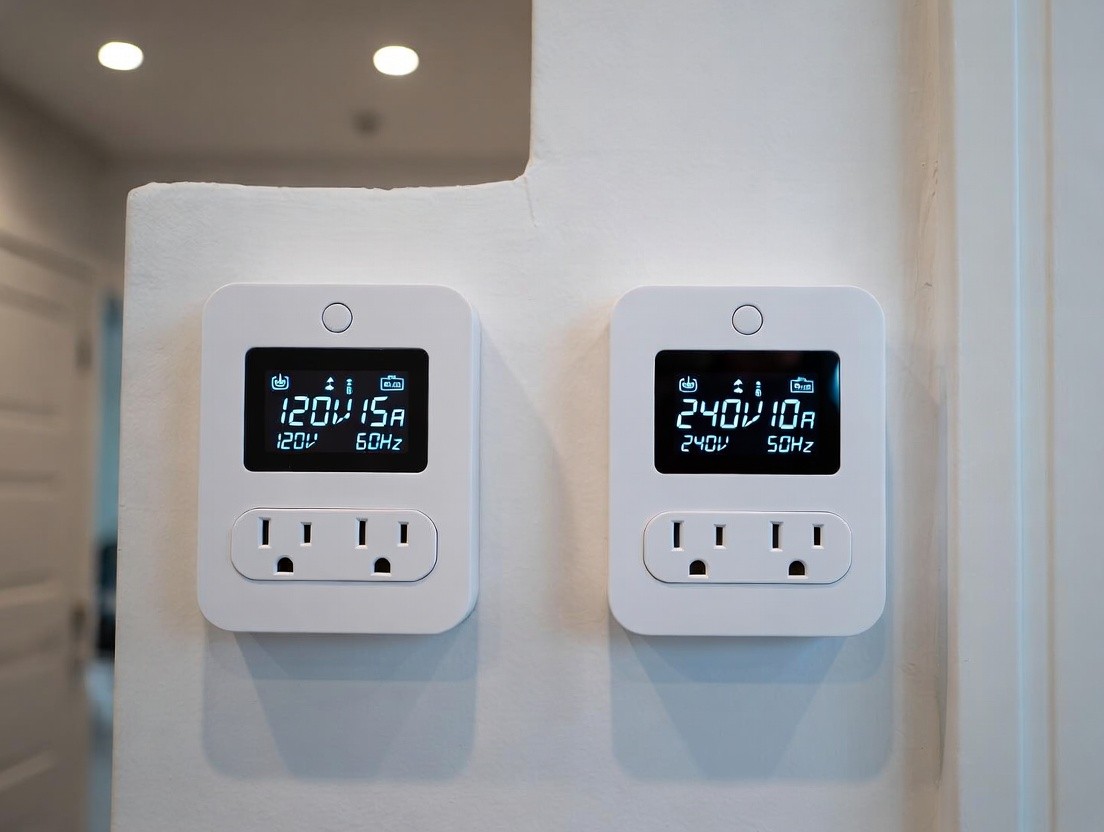
Modern households consume significant amounts of electricity through devices left plugged in and idle. Phantom power, also known as standby power consumption, accounts for approximately 5-10% of residential energy usage. Smart outlets equipped with artificial intelligence technology offer an elegant solution to this widespread energy waste problem.
How Smart Outlets Work
Intelligent Detection Systems
Smart outlets utilize sophisticated sensors and machine learning algorithms to detect when appliances are actually in use versus merely standing idle. These systems monitor:
- Real-time power consumption levels
- Usage patterns and historical data
- Device-specific operational signatures
- Time-of-day patterns and seasonal variations
- User preferences and override commands
Automated Disconnection Process
When the AI system determines an appliance is no longer needed, the smart outlet automatically cuts power supply. Users can establish customized settings for different devices. A coffee maker might receive power only during morning hours, while a television automatically disconnects after 30 minutes of inactivity. Smart outlets learn usage patterns and adapt accordingly, becoming increasingly accurate over time.
Key Features and Benefits
Smart outlets provide multiple advantages beyond energy savings. They protect appliances by eliminating unnecessary standby consumption, potentially extending device lifespan. Safety improves as potential fire hazards from malfunctioning equipment receive power disconnection. Integration with home automation systems allows users to control outlets remotely, providing convenience and security whether at home or away.
Environmental benefits prove substantial. Reducing phantom power consumption decreases household carbon footprints significantly. On a larger scale, widespread adoption of smart outlets could prevent millions of tons of annual carbon emissions while reducing pressure on electrical grids during peak hours.
Implementation in Daily Life
Typical Smart Outlet Applications
Home entertainment systems represent ideal smart outlet applications. A media center consuming 100 watts in standby mode could save 50-75 watts continuously through intelligent disconnection. Kitchen appliances like toasters, coffee makers, and microwave ovens benefit similarly. Office equipment, gaming systems, and charging stations all become more efficient with smart outlet management.
Smart Outlet Technology Integration
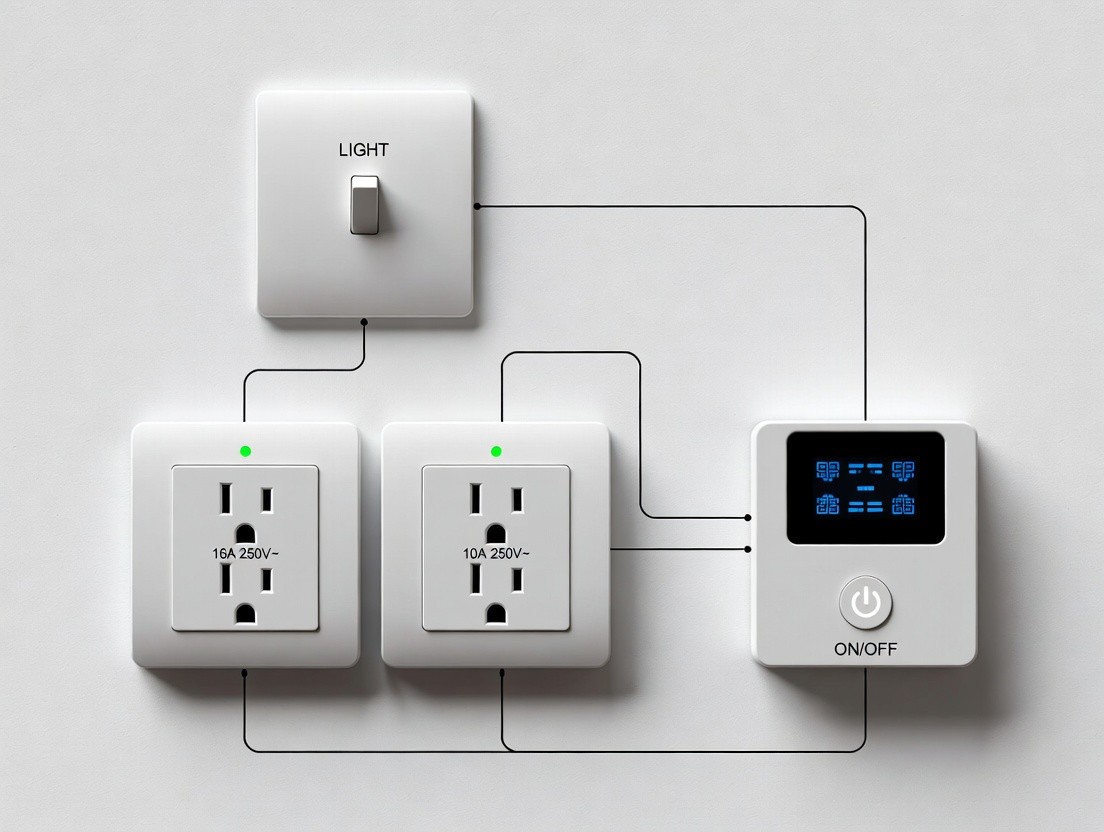
Modern smart outlets connect to home networks via Wi-Fi or Bluetooth, integrating seamlessly with voice assistants and mobile applications. Users monitor energy consumption in real-time, receiving detailed analytics about power usage patterns. Some smart outlets incorporate renewable energy awareness, prioritizing power for important devices when solar or wind generation is abundant.
Economic Impact
While smart outlets require initial investment, they deliver rapid return through reduced electricity bills. Average households typically recover the purchase cost within one to two years. Commercial and industrial applications realize even greater savings when multiplied across numerous outlets and facilities.
Future Developments
Emerging technologies will enhance smart outlet capabilities further. Integration with renewable energy systems, advanced AI prediction algorithms, and IoT device coordination will create comprehensive home energy management systems. As technology costs decrease and efficiency improves, smart outlets will transition from luxury innovation to essential home infrastructure.
Conclusion
Smart outlets represent a practical and effective response to household energy waste. By leveraging artificial intelligence to intelligently manage power distribution, these devices deliver measurable energy savings, cost reductions, and environmental benefits. As smart home technology matures, intelligent power outlets will play increasingly important roles in sustainable residential living.