In recent years, there has been a significant advancement in the field of Artificial Intelligence (AI) and Augmented Reality (AR). These technologies have become increasingly popular and have the potential to enhance virtual experiences in various fields such as gaming, education, healthcare, and...
Smart Pillow Records and Analyzes Dreams
475
10.04.2026
The Growing Interest in Sleep Technology
Sleep plays a critical role in human health, influencing memory, emotional balance, physical recovery, and cognitive performance. Despite its importance, many people know very little about what actually happens during the night while they sleep. Dreams, in particular, remain one of the most mysterious aspects of the human brain.
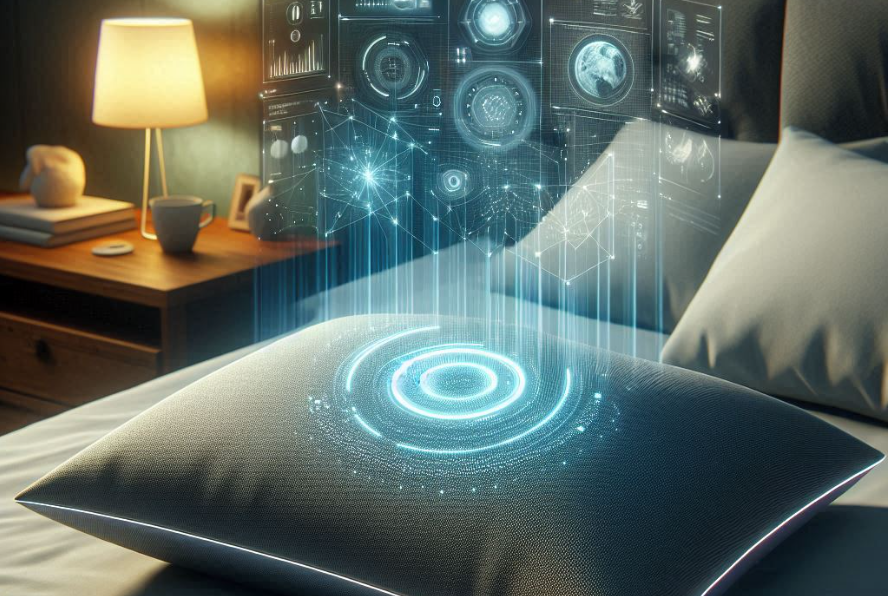
Advances in wearable technology and artificial intelligence have led to the development of devices designed to monitor sleep in detail. One of the newest innovations in this field is the smart pillow. Unlike traditional sleep tracking devices that are worn on the wrist, the smart pillow is integrated directly into the sleeping environment and can monitor brain activity, breathing patterns, and movement throughout the night.
Some experimental versions of these pillows can even record and analyze dream patterns using artificial intelligence, providing users with insights into their subconscious experiences.
How the Smart Pillow Works
The smart pillow contains a network of embedded sensors that track different physiological signals during sleep. These sensors detect subtle body movements, breathing rhythms, heart rate, and head position. By combining these measurements, the system determines the user’s sleep stages, including light sleep, deep sleep, and rapid eye movement (REM) sleep.
REM sleep is particularly important because this stage is when most vivid dreams occur. Artificial intelligence algorithms analyze patterns during REM phases to estimate when dreaming takes place and how intense the dream activity may be.
Core Technologies Inside a Smart Pillow
- Pressure sensors that detect head and body movement
- Microphones that monitor breathing and sleep sounds
- Heart rate monitoring sensors
- Temperature and humidity detectors
- Artificial intelligence for sleep pattern analysis
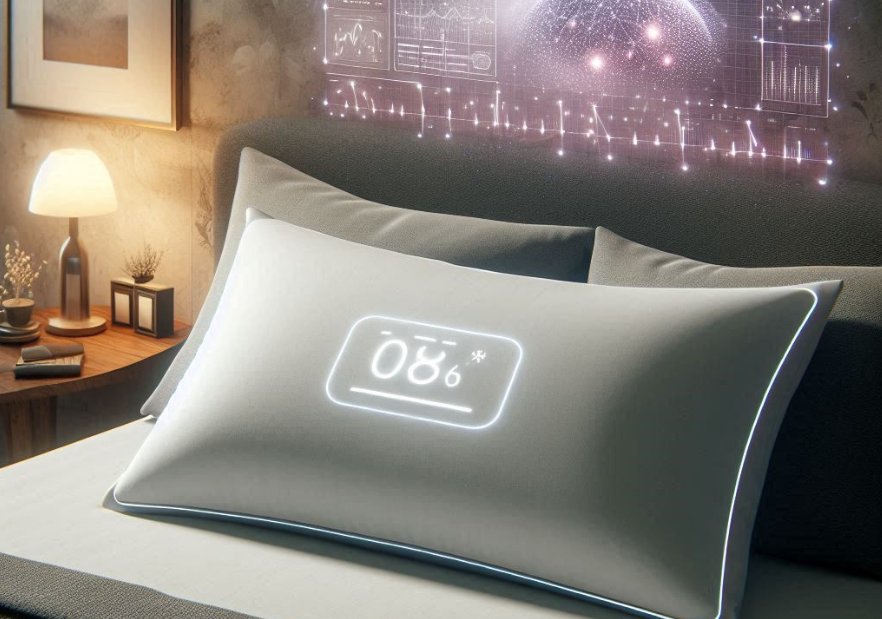
All collected data is transmitted to a mobile application where users can review detailed reports about their sleep quality and dream activity.
Recording and Interpreting Dream Data
Although technology cannot literally record dreams as images or videos, it can analyze signals associated with dreaming. By examining brain activity patterns, breathing variations, and movement during REM sleep, the AI system estimates the likelihood of dream episodes.
Users may also be asked to record brief voice notes about their dreams immediately after waking up. The system then compares these descriptions with the physiological data recorded during the night.
Information Used for Dream Analysis
- Duration and timing of REM sleep cycles
- Changes in breathing patterns during dreams
- Movement intensity during dream activity
- User descriptions of dream content
- Emotional tone detected in voice recordings
Over time, the system can detect recurring themes and patterns in a user’s dreams, offering insights into emotional states and mental well-being.
Benefits for Mental and Physical Health
Understanding sleep and dream patterns may help people improve their overall health. Dreams often reflect emotional experiences, stress levels, and psychological conditions. By analyzing dream activity alongside sleep quality data, smart pillow systems may help users identify hidden sources of stress or anxiety.
Sleep monitoring technology can also detect signs of sleep disorders that might otherwise remain unnoticed.
- Identification of insomnia patterns
- Detection of sleep apnea symptoms
- Monitoring of stress-related sleep disturbances
- Improved sleep habits through personalized recommendations
- Better understanding of emotional well-being
In some cases, healthcare professionals may use this data to support clinical evaluations of sleep disorders or mental health conditions.
Privacy and Data Concerns
As with any technology that collects personal data, smart pillows raise important privacy questions. Sleep data is highly personal, and recordings of breathing patterns or voice notes must be stored and processed securely.
Manufacturers are increasingly focusing on encrypted data storage and transparent privacy policies to ensure that users maintain control over their information. Many systems allow users to decide whether their data remains on their device or is shared with cloud-based services for deeper analysis.
The Future of Dream Research
Smart pillows represent just one step toward a deeper scientific understanding of sleep and dreams. Researchers are continuing to explore ways to analyze brain activity more accurately using non-invasive technology. Future devices may combine smart pillows with wearable sensors, brainwave monitors, and advanced artificial intelligence models.
Some scientists are even experimenting with techniques that may influence dreams, such as targeted sound signals during REM sleep. These signals may help users guide their dreams or encourage more positive dream experiences.
Although the technology is still evolving, smart sleep devices are already helping people learn more about what happens in their minds during the night. As artificial intelligence continues to develop, the mysterious world of dreams may gradually become easier to explore and understand.