

In recent years, there has been a significant advancement in the field of Artificial Intelligence (AI) and Augmented Reality (AR). These technologies have become increasingly popular and have the potential to enhance virtual experiences in various fields such as gaming, education, healthcare, and...
Smart Refrigerator Suggests Recipes Based On Leftovers
520
07.01.2026
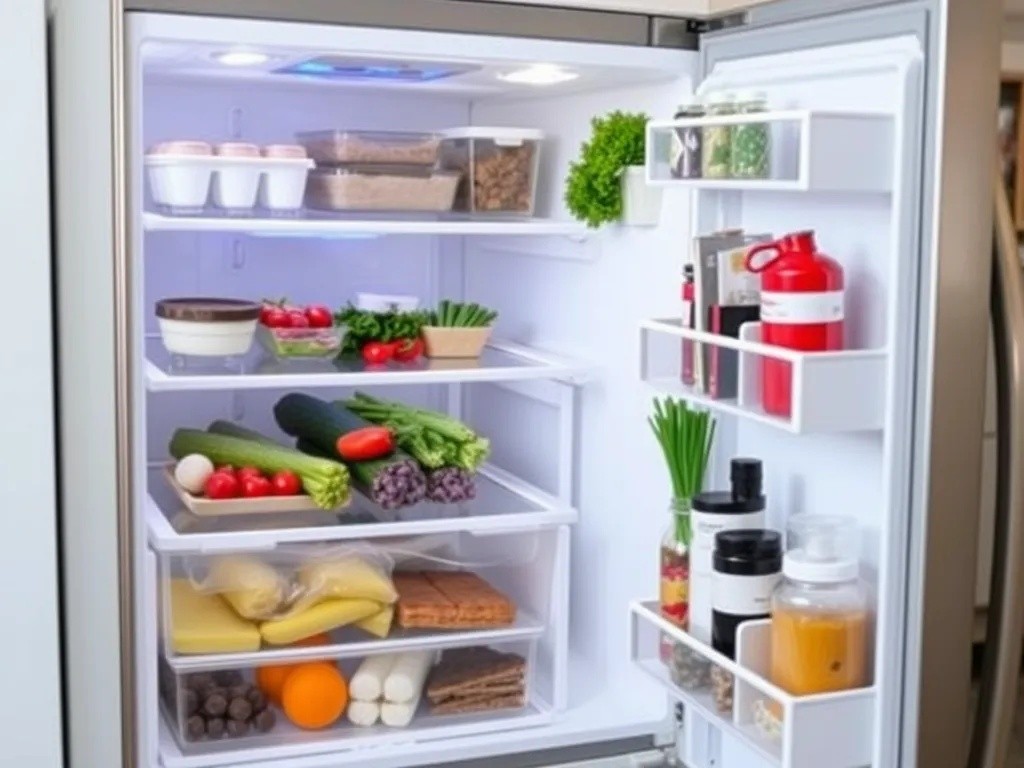
Food waste represents one of the most significant household inefficiencies, with average families discarding substantial amounts of perfectly edible food that spoils before being used. Much of this waste occurs because people struggle to create appealing meals from random leftover ingredients or forget about items pushed to the back of refrigerators. Smart refrigerators equipped with interior cameras and artificial intelligence now identify contents, track freshness, and suggest recipes specifically designed around available ingredients. This technology transforms kitchen management by reducing waste, simplifying meal planning, and introducing families to creative dishes they would never have considered.
How Smart Refrigerators Identify Contents
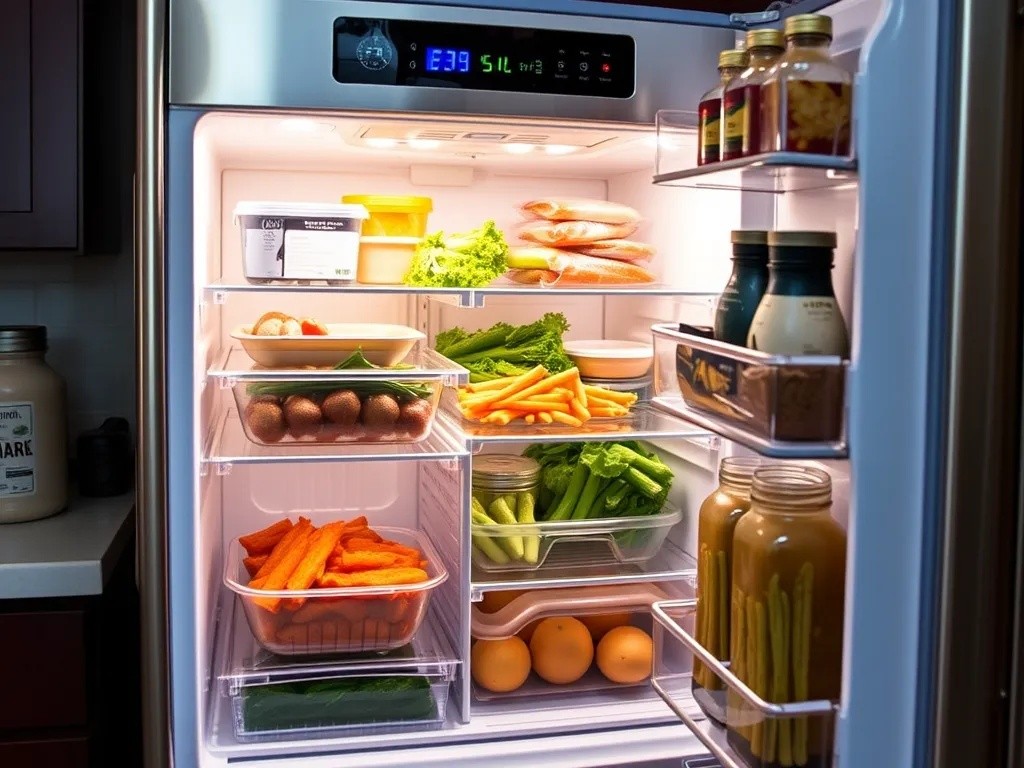
The refrigerator uses multiple internal cameras positioned to view all shelves and compartments from various angles. Each time the door closes, these cameras capture images of the interior contents. Advanced image recognition software analyzes these photos to identify specific food items, including packaged products, fresh produce, leftovers in containers, and partially used ingredients.
Visual Recognition Technology
The AI system has been trained on millions of food images representing thousands of common ingredients and products. It recognizes items by their shape, color, packaging, and context. The system can identify a head of lettuce, distinguish between red and green bell peppers, recognize specific brands of yogurt, and even estimate quantities of visible items. For packaged goods, it can often read labels directly to determine exact products and expiration dates.
User Input and Learning
When the system encounters unfamiliar items or needs clarification, it asks users to identify contents through a smartphone app or touchscreen on the refrigerator door. Users can photograph leftovers and label them, helping the system understand what containers hold. Over time, the refrigerator learns family preferences and habits, recognizing typical purchases and understanding how specific users organize their storage.
Inventory Tracking and Freshness Monitoring
Beyond simply identifying what is in the refrigerator, the smart system maintains a complete inventory tracking when items entered and estimating their remaining freshness. For products with visible expiration dates, the system reads these directly. For fresh produce and leftovers, it uses established food safety timelines combined with visual inspection to assess condition.
Expiration Alerts
The refrigerator sends notifications when items approach expiration, giving families time to use food before it spoils. Alerts prioritize items based on remaining time and whether the system knows recipes that could use them. A container of leftover chicken nearing its safe storage limit receives higher priority alerts than a sealed package with weeks of remaining shelf life. This proactive approach prevents the common scenario where people discover spoiled food only during cleaning or when searching for something else.
Recipe Suggestion Algorithm
The core function of recipe suggestion involves sophisticated matching between available ingredients and a vast database of recipes. The system does not simply find recipes that use one or two available items but identifies dishes where families can prepare most or all ingredients from current refrigerator contents.
Priority-Based Recommendations
Recipe suggestions prioritize using items that need consumption soon, creating meals around ingredients approaching expiration. If the refrigerator contains chicken that should be used within two days, mushrooms that have a few days remaining, and cream that will last another week, the system suggests chicken and mushroom dishes before recommending recipes that would use only the cream. This strategic approach maximizes freshness utilization and minimizes waste.
Household Preferences and Restrictions
The system learns and respects family dietary preferences, restrictions, and cooking habits. It knows if family members are vegetarian, have food allergies, prefer spicy or mild dishes, or avoid certain ingredients. Recipe suggestions automatically filter out incompatible options. The system also considers cooking skill levels, suggesting simpler recipes for inexperienced cooks while offering more complex options for confident home chefs.
Creative Leftover Utilization
One of the system's most valuable capabilities involves suggesting creative uses for unusual leftover combinations. While most people struggle to imagine meals from random remaining ingredients, the AI identifies recipes specifically designed for flexible ingredient substitutions or dishes that work well with various additions.
Example Scenarios
Consider a refrigerator containing leftover roasted vegetables, half a container of rice, some cheese, and eggs. The system might suggest frittatas, fried rice variations, vegetable and rice soup, or grain bowls. For leftover chicken, wilting spinach, and pasta, it could recommend chicken pasta with greens, chicken and spinach quesadillas, or chicken salad with spinach. These suggestions transform ingredients that seem incompatible into appealing meals.
Meal Planning Integration
Beyond individual recipe suggestions, the smart refrigerator assists with broader meal planning. It can suggest weekly meal plans that efficiently use current inventory while maintaining variety and nutrition. The system identifies which additional ingredients would unlock numerous recipe possibilities, helping families make strategic grocery purchases rather than random shopping that leads to ingredient mismatches.
Shopping List Generation
When families decide on recipes, the refrigerator automatically generates shopping lists for missing ingredients. It checks current inventory to avoid purchasing items already available and suggests quantities appropriate for planned recipes. The shopping list can be sent to smartphones, shared with other family members, or integrated with grocery delivery services for direct ordering.
Nutritional Guidance
Recipe suggestions can be filtered by nutritional criteria when families want to meet specific dietary goals. The system can prioritize low-calorie options, high-protein meals, vegetable-heavy dishes, or recipes meeting other nutritional targets. It tracks overall nutrition across suggested meal plans, helping families maintain balanced diets while still using available ingredients efficiently.
Cooking Instructions and Assistance
Once users select recipes, the refrigerator provides detailed cooking instructions through connected devices. Step-by-step guidance appears on smartphones, tablets, or kitchen displays. Voice assistance allows hands-free navigation through recipes while cooking. The system can answer questions about techniques, suggest substitutions if users decide to modify recipes, and adjust cooking times or temperatures based on user feedback about preferences.
Learning and Improvement
The system continuously learns from family interactions. When users cook suggested recipes, it tracks whether they were prepared, how closely instructions were followed, and whether the family enjoyed the results. Highly rated recipes receive priority in future suggestions. Rejected suggestions help the system understand preferences more precisely. This feedback loop steadily improves recommendation quality over time.
Environmental and Economic Benefits
Families using smart refrigerator recipe systems report substantial reductions in food waste, often decreasing discarded food by forty to sixty percent. This translates directly to financial savings as less purchased food ends up in trash. The environmental benefits extend beyond reduced waste to include decreased food production demands and lower carbon footprints associated with food disposal. Using food more efficiently means families can sometimes reduce overall grocery spending while still eating well.
Privacy and Data Considerations
The system requires cameras monitoring refrigerator contents and tracking food consumption patterns, raising privacy questions for some users. Reputable systems address these concerns by processing images locally on the refrigerator rather than sending them to external servers, encrypting any data that leaves the device, and giving users complete control over data sharing and deletion. The system should never share specific household consumption patterns with third parties without explicit permission.
Limitations and Practical Considerations
Smart refrigerators cannot yet identify all foods perfectly. Items in opaque containers require user labeling. Very small items or those hidden behind larger products may not be detected. The system works best when users organize refrigerators reasonably and occasionally verify inventory accuracy. Recipe suggestions depend on database quality and cannot account for every possible ingredient combination or family preference nuance.
Future Enhancements
Development continues on improving recognition accuracy, expanding recipe databases to include more diverse cuisines and dietary approaches, and creating better integration with other smart kitchen appliances. Future systems may coordinate with smart ovens and cooktops to provide completely guided cooking experiences. Integration with health monitoring could allow recipe suggestions tailored to specific medical dietary needs or fitness goals.
Smart refrigerators that suggest recipes based on available leftovers represent practical artificial intelligence application that addresses real household challenges. By reducing food waste, simplifying meal planning, and introducing creative recipe possibilities, this technology improves both daily convenience and environmental sustainability in meaningful ways.