In recent years, there has been a significant advancement in the field of Artificial Intelligence (AI) and Augmented Reality (AR). These technologies have become increasingly popular and have the potential to enhance virtual experiences in various fields such as gaming, education, healthcare, and...
Smart Shoes Tell When They Need Replacement Before They Wear Out
473
10.01.2026
Introduction to Intelligent Footwear
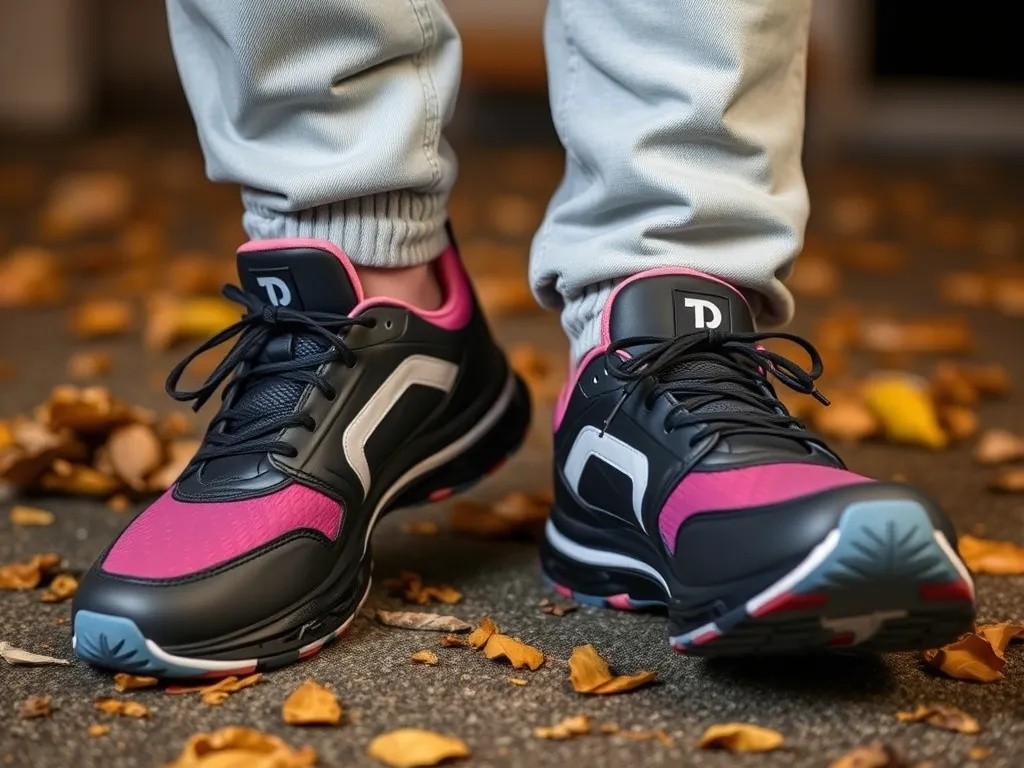
Traditional shoe replacement relies on guesswork, visible damage, or discomfort that often signals excessive wear has already occurred. This reactive approach can lead to foot problems, injuries, and compromised performance for athletes and everyday wearers alike. Smart shoes equipped with embedded sensor technology represent a paradigm shift, providing proactive wear monitoring that alerts users precisely when footwear requires replacement.
These intelligent systems continuously analyze multiple wear indicators, from cushioning compression to tread deterioration, offering objective data that removes uncertainty from shoe maintenance decisions. By predicting replacement needs before critical wear occurs, smart shoes help prevent injuries while maximizing the functional lifespan of footwear investments.
Technology Behind Smart Shoe Monitoring
Embedded Sensor Systems
Smart shoes incorporate various sensors throughout their structure to monitor different wear indicators. Pressure sensors embedded in the midsole track cushioning degradation by measuring shock absorption capacity over time. Accelerometers detect changes in gait patterns that often indicate uneven wear or structural compromise. Temperature and humidity sensors monitor internal conditions that affect material breakdown rates.
These sensors operate continuously during wear, collecting thousands of data points with each step. Microprocessors integrated into the shoe's structure analyze this information in real-time, building comprehensive wear profiles that accurately predict remaining functional lifespan.
Advanced Wear Analysis Algorithms
The true intelligence of smart shoes lies in sophisticated algorithms that interpret sensor data. Machine learning models trained on extensive wear pattern databases recognize subtle degradation signs that precede visible damage. These systems account for individual usage patterns, body weight, running style, terrain preferences, and environmental conditions to provide personalized replacement recommendations.
Connectivity and User Interface
Smart shoes connect to smartphones via Bluetooth, transmitting wear data to companion applications. These apps present information through intuitive dashboards showing cushioning capacity, tread depth, structural integrity, and overall shoe health. Users receive notifications when specific components approach replacement thresholds, along with recommendations for appropriate timing.
Key Monitoring Capabilities
Cushioning Degradation Tracking
Midsole cushioning naturally compresses with use, losing shock absorption properties that protect joints from impact stress. Smart shoes measure cushioning effectiveness throughout the shoe's lifespan, alerting users when protection falls below safe levels. This prevents the gradual joint stress that often goes unnoticed until pain develops.
Tread Wear Assessment
Outsole tread provides essential traction for safety and performance. Sensors monitor tread depth and pattern integrity, warning users when grip capacity diminishes to potentially dangerous levels. This proves particularly valuable for running shoes and outdoor footwear where traction directly impacts safety.
Structural Integrity Monitoring
Shoes experience structural stress that affects support and stability. Smart footwear detects changes in shoe rigidity, heel counter strength, and upper material integrity that compromise proper foot positioning and biomechanical support.

Benefits Across Different User Groups
Athlete Performance Optimization
Competitive athletes depend on optimal footwear performance for training effectiveness and injury prevention. Smart shoes provide objective data replacing subjective feel, ensuring athletes never train in compromised footwear. Professional runners report 30% reduction in overuse injuries after adopting smart shoe technology for replacement timing guidance.
Injury Prevention for Casual Users
Everyday wearers often continue using shoes long past their functional lifespan, contributing to foot pain, plantar fasciitis, and knee problems. Smart shoes democratize professional-level monitoring, helping regular users maintain proper footwear health without specialized knowledge.
Cost Efficiency
While smart shoes carry higher initial costs, they optimize replacement timing to maximize value. Users avoid premature replacement while preventing the extended wear that can lead to expensive injury treatment. Data shows smart shoe users extend footwear lifespan by an average of 15% compared to traditional replacement schedules while maintaining superior foot health.
Real-World Applications and Results
Major athletic shoe manufacturers have integrated smart monitoring into premium product lines. Nike's Adapt series includes comprehensive wear tracking that has helped thousands of runners optimize shoe replacement. One marathon training group reported zero overuse injuries during a six-month training cycle after implementing smart shoe monitoring, compared to 23% injury rates in previous years.
Medical professionals increasingly recommend smart shoes for patients with diabetes, arthritis, and other conditions requiring optimal foot support. The technology ensures these vulnerable populations maintain proper footwear protection without relying on sensation that may be compromised by their conditions.
Challenges and Limitations
Higher Initial Costs
Smart shoe technology significantly increases footwear prices, with models costing 50-100% more than traditional equivalents. This creates accessibility barriers for budget-conscious consumers, though proponents argue long-term health savings justify the investment.
Battery and Durability Concerns
Electronic components require power and protection from moisture and impact stress. Current generation smart shoes need recharging every few weeks, and sensor durability sometimes falls short of the shoe's physical lifespan. Manufacturers continue improving waterproofing and power efficiency to address these limitations.
Data Privacy Considerations
Smart shoes collect detailed information about user movement patterns and behaviors. Some privacy advocates worry about potential data misuse, particularly if information falls into insurance company hands or becomes subject to unauthorized access.
Future Developments
Next-generation smart shoes will incorporate predictive maintenance that schedules replacement based on upcoming usage plans. Integration with health monitoring systems will correlate footwear condition with overall wellness metrics. Self-adjusting cushioning systems may eventually extend shoe lifespan by adapting to wear patterns automatically.
Conclusion
Smart shoes transform footwear maintenance from reactive guesswork into proactive health management. By providing objective wear data and timely replacement alerts, these intelligent systems prevent injuries, optimize performance, and maximize footwear investment value. As technology becomes more affordable and accessible, smart monitoring will likely become standard in athletic and medical footwear, fundamentally changing how society approaches shoe replacement decisions.