

In recent years, there has been a significant advancement in the field of Artificial Intelligence (AI) and Augmented Reality (AR). These technologies have become increasingly popular and have the potential to enhance virtual experiences in various fields such as gaming, education, healthcare, and...
Smart Thermostat Saves Gas by Learning Residents' Habits
1135
18.02.2026
Introduction to Smart Heating Systems
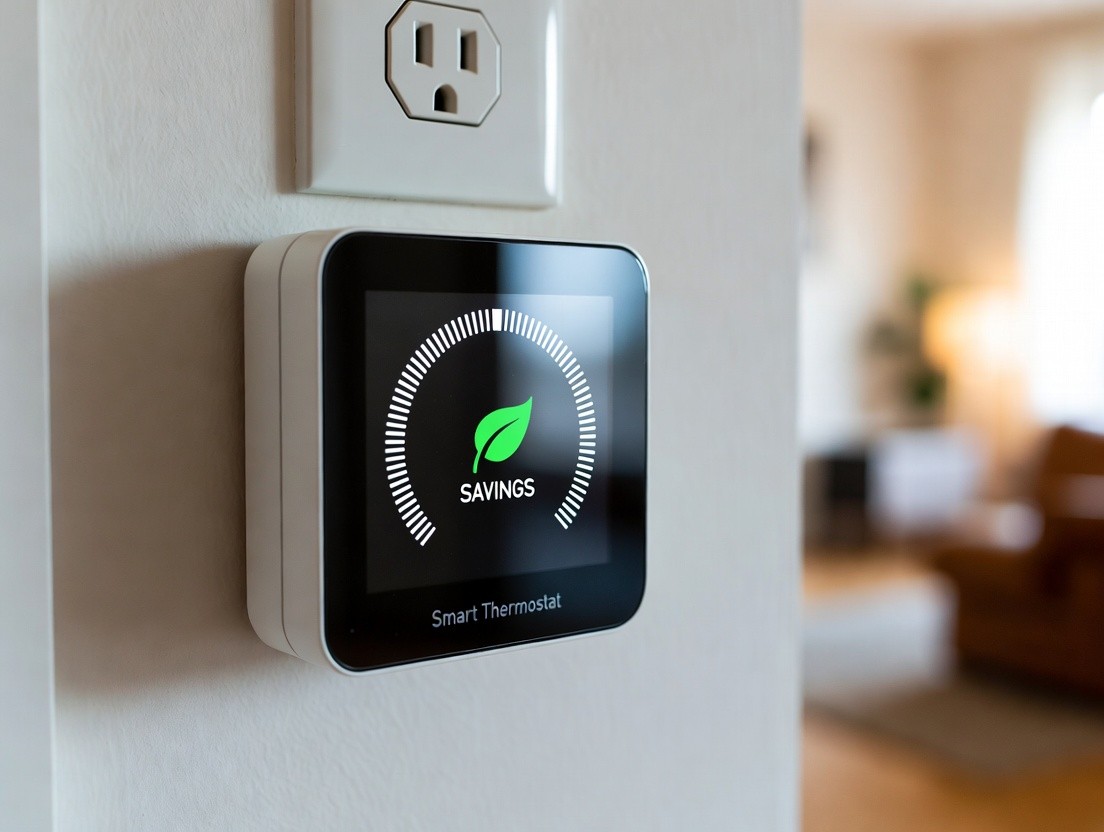
Modern energy consumption has become a critical concern for households worldwide. Traditional thermostats operate on fixed temperature settings, wasting significant amounts of gas when no one is home or during sleeping hours. Smart thermostats represent a revolutionary solution to this problem, utilizing artificial intelligence to understand and adapt to residents' daily routines.
How Smart Thermostats Learn Your Habits
Data Collection and Analysis
Smart thermostats continuously monitor temperature adjustments made by household members. They track when people arrive home, when they leave for work, and their preferred temperature settings throughout the day. This data collection occurs passively, requiring no manual input from residents.
Pattern Recognition Technology
Advanced algorithms analyze collected data to identify patterns in family behavior. The system recognizes that heating is needed in the morning before work but unnecessary during work hours. Similarly, it understands weekend preferences differ from weekday routines. Over time, the thermostat builds a comprehensive profile of household heating needs.
Significant Gas Savings
Real-World Results
Studies demonstrate that smart thermostats reduce gas consumption by 10-15% on average. Some households report savings of up to 20% annually. These savings translate directly into lower utility bills, with many households saving between $100-$300 per year.
Environmental Impact
Beyond financial benefits, reduced gas consumption decreases household carbon emissions. When multiplied across millions of households, smart thermostat adoption significantly contributes to environmental sustainability efforts.
Key Features of Modern Smart Thermostats
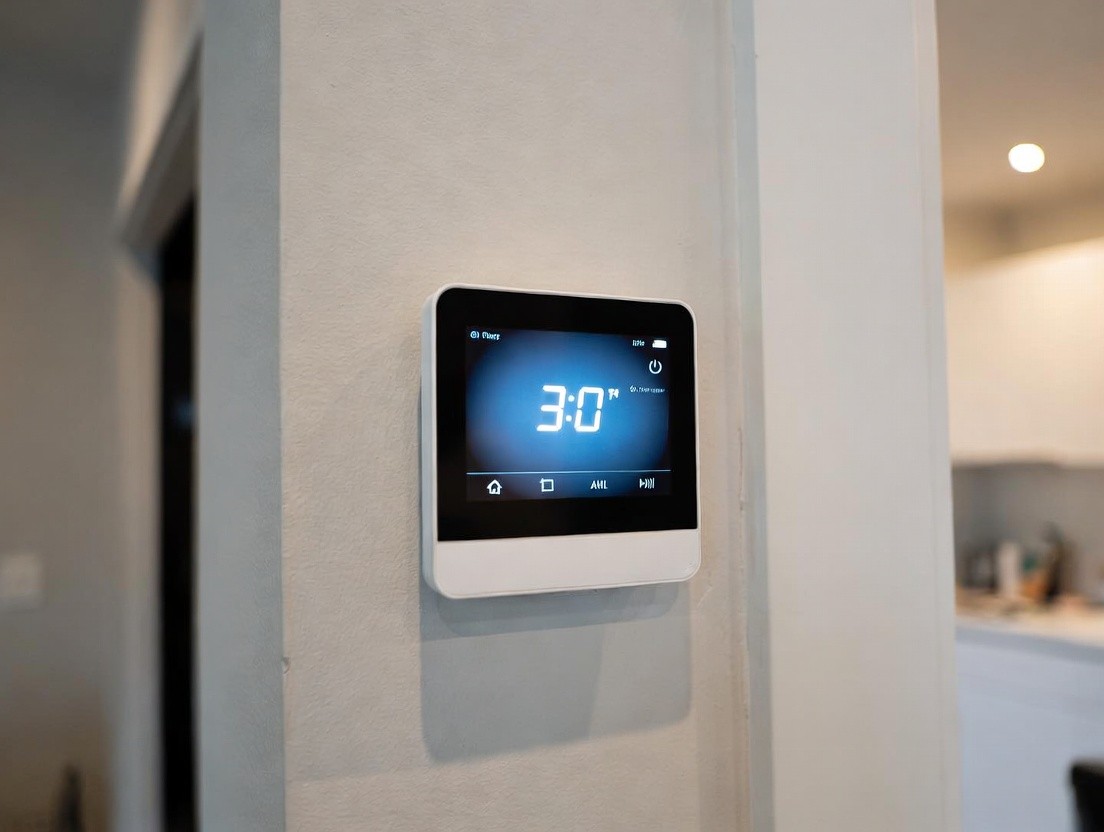
- Machine learning algorithms that adapt to seasonal changes
- Mobile app integration for remote temperature control
- Weather forecasting integration to predict heating needs
- Occupancy detection using smartphone location data
- Energy usage reports and detailed analytics
- Compatibility with voice-activated assistants
Installation and User Experience
Installing a smart thermostat typically requires minimal technical expertise. Most models feature straightforward setup procedures and intuitive interfaces. Users don't need to program the thermostat manually; the device learns automatically after two to three weeks of monitoring household patterns.
Future Developments
Upcoming generations of smart thermostats will integrate with broader smart home ecosystems. They'll communicate with smart windows, insulation systems, and renewable energy sources. This interconnected approach promises even greater energy efficiency and gas savings.
Conclusion
Smart thermostats represent a practical, cost-effective solution for reducing household gas consumption. By learning residents' habits and automatically adjusting heating schedules, these devices deliver substantial economic and environmental benefits. As technology continues advancing, smart thermostats will become increasingly sophisticated, making them an essential component of modern home energy management.