

In recent years, there has been a significant advancement in the field of Artificial Intelligence (AI) and Augmented Reality (AR). These technologies have become increasingly popular and have the potential to enhance virtual experiences in various fields such as gaming, education, healthcare, and...
Smart Traffic Lights Reduce Congestion in Kazan by One Third
981
03.02.2026
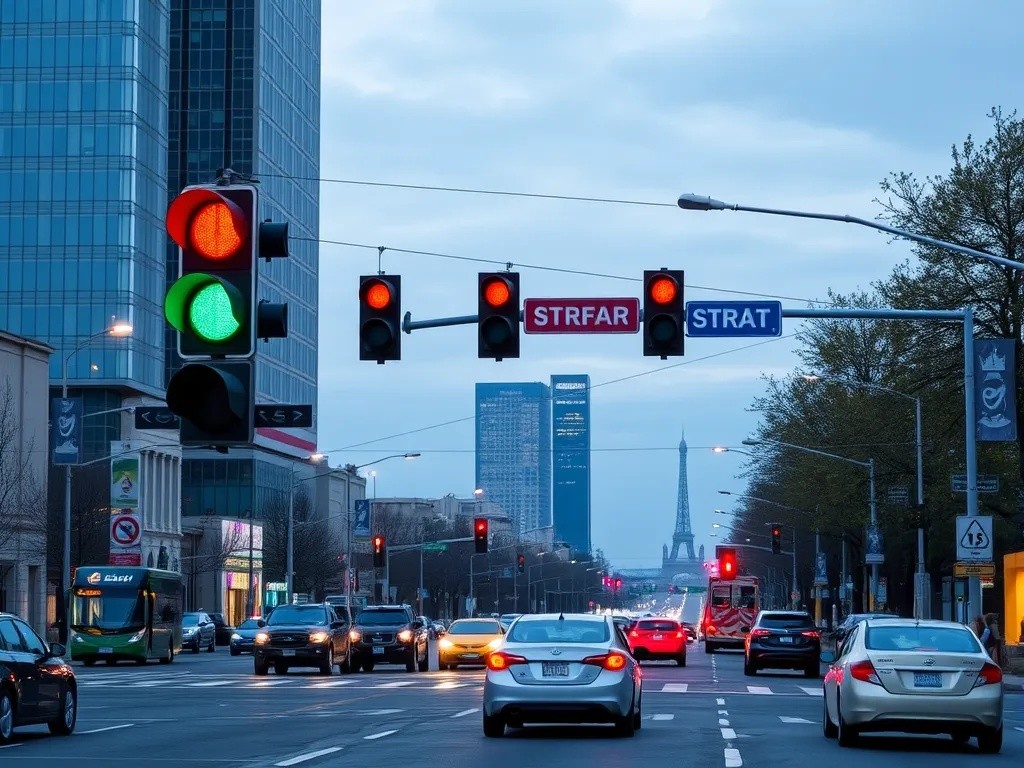
The city of Kazan has achieved a remarkable breakthrough in urban traffic management with the implementation of an intelligent traffic light system that has reduced congestion by approximately thirty-three percent. This achievement demonstrates how artificial intelligence can transform urban infrastructure and improve daily life for millions of city residents.
Understanding the Smart System
Unlike conventional traffic lights that operate on fixed timing schedules, the smart system in Kazan uses real-time data analysis to optimize signal timing continuously. The technology represents a fundamental shift from static traffic management to dynamic, responsive control that adapts to actual conditions on the road.
Sensor Network and Data Collection
The foundation of the system lies in an extensive network of sensors installed throughout the city. These sensors include cameras with computer vision capabilities, magnetic loops embedded in roadways, and wireless detectors that track vehicle movement. Together, they provide a comprehensive picture of traffic flow across the entire urban area in real time.
Artificial Intelligence at Work
The collected data feeds into a central artificial intelligence system that processes information from thousands of intersections simultaneously. The algorithm considers multiple factors when determining optimal signal timing, including current traffic density, historical patterns, time of day, weather conditions, and special events that might affect traffic flow.
Key Features of the Implementation
The Kazan smart traffic system incorporates several advanced features that contribute to its success:
- Predictive algorithms that anticipate traffic buildup before it occurs
- Coordination between adjacent intersections for smooth traffic progression
- Priority systems for emergency vehicles and public transportation
- Adaptive response to accidents and road closures
- Integration with navigation applications to distribute traffic load
Measurable Results
The thirty-three percent reduction in congestion translates into significant benefits for Kazan residents. Independent studies conducted over six months of operation have documented impressive improvements across multiple metrics.
Time Savings
Average commute times have decreased substantially, with drivers saving an estimated fifteen to twenty minutes per day during peak hours. Over a year, this amounts to more than one hundred hours saved per regular commuter. The cumulative economic value of these time savings runs into millions of dollars when calculated across the entire city population.
Environmental Impact
Reduced congestion means fewer vehicles idling at intersections, which has led to measurable improvements in air quality. Studies indicate that vehicle emissions in the city center have decreased by approximately eighteen percent since the system's implementation. This environmental benefit adds another dimension to the project's success.
Challenges and Solutions
Implementing such a comprehensive system was not without challenges. Initial resistance from some city departments, concerns about cybersecurity, and the complexity of integrating new technology with existing infrastructure all required careful management. The project team addressed these challenges through extensive stakeholder engagement, robust security protocols, and phased implementation that allowed for gradual adjustment.
Ongoing Optimization
The system continues to improve as it accumulates more data and refines its algorithms. Machine learning capabilities allow the artificial intelligence to identify patterns that were not initially apparent, leading to incremental gains in efficiency over time. Traffic engineers regularly review system performance and make adjustments to ensure optimal operation.
Model for Other Cities
Kazan's success has attracted attention from urban planners worldwide. Delegations from numerous cities have visited to study the implementation, and several municipalities have begun planning similar projects. The technology vendors involved are working to make the system adaptable to different urban environments and traffic cultures.
As cities around the world grapple with increasing traffic congestion, the Kazan experience provides a compelling example of how technology can address seemingly intractable urban challenges. The smart traffic light system represents not just a technological achievement but a model for data-driven urban governance that other cities are eager to replicate.