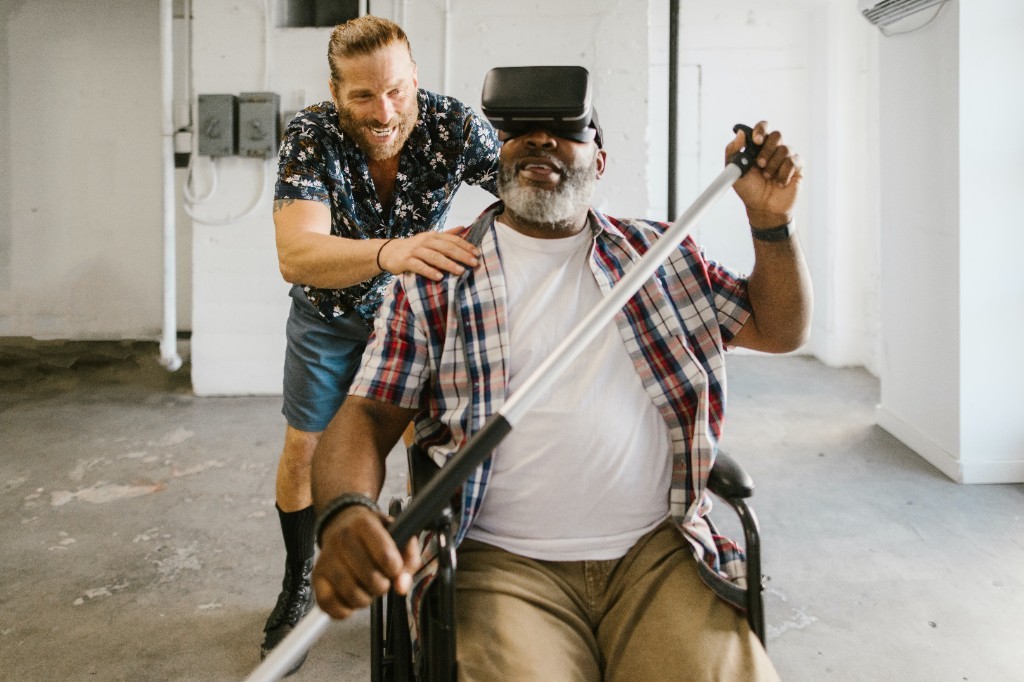

In recent years, there has been a significant advancement in the field of Artificial Intelligence (AI) and Augmented Reality (AR). These technologies have become increasingly popular and have the potential to enhance virtual experiences in various fields such as gaming, education, healthcare, and...
Software Restores Handwriting of Deceased Relatives: A New Way to Preserve Family Memories
642
17.01.2026
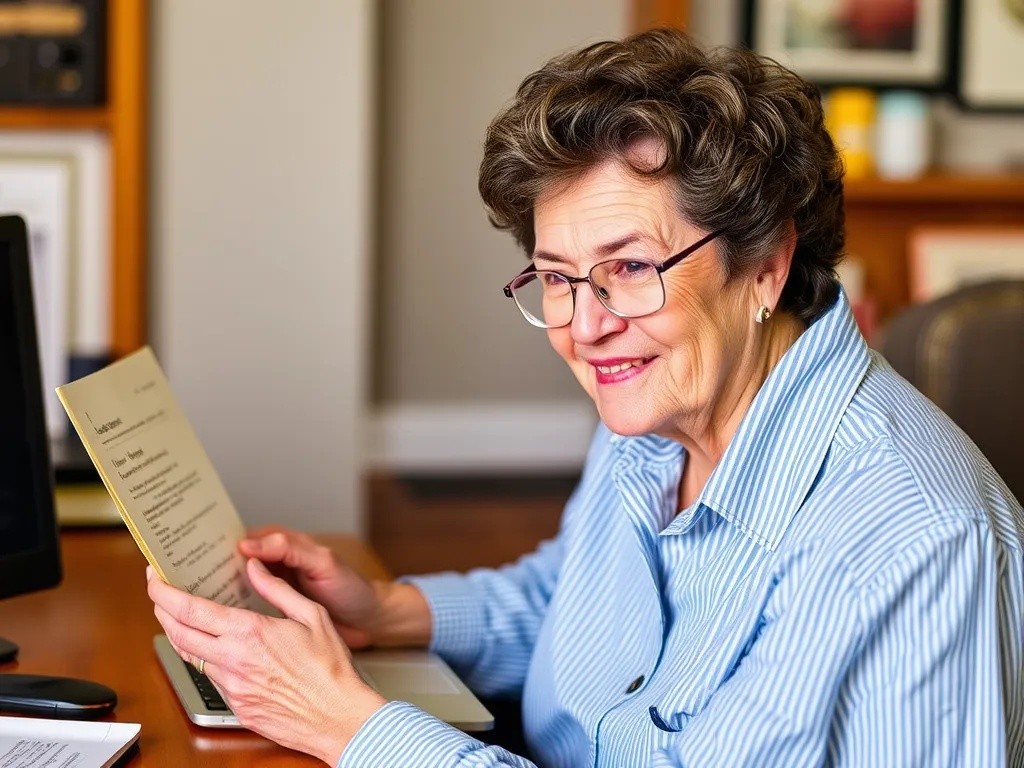
In an age where digital technology continues to blur the lines between past and present, a groundbreaking software application has emerged that allows families to recreate the handwriting of their deceased relatives. This innovative tool uses advanced machine learning algorithms to analyze samples of handwritten text and generate new content that faithfully reproduces the unique characteristics of a person's penmanship.
How the Technology Works
The handwriting restoration software operates through a sophisticated process that combines image recognition, pattern analysis, and generative artificial intelligence. Users begin by uploading scanned images or photographs of handwritten documents from their deceased relatives, such as letters, postcards, journal entries, or even simple grocery lists.
The Analysis Phase
Once uploaded, the algorithm meticulously examines every aspect of the handwriting sample, including:
- Letter formation and stroke patterns
- Spacing between words and characters
- Pressure variations and line thickness
- Unique quirks and personal flourishes
- Baseline consistency and slant angles
The Generation Process
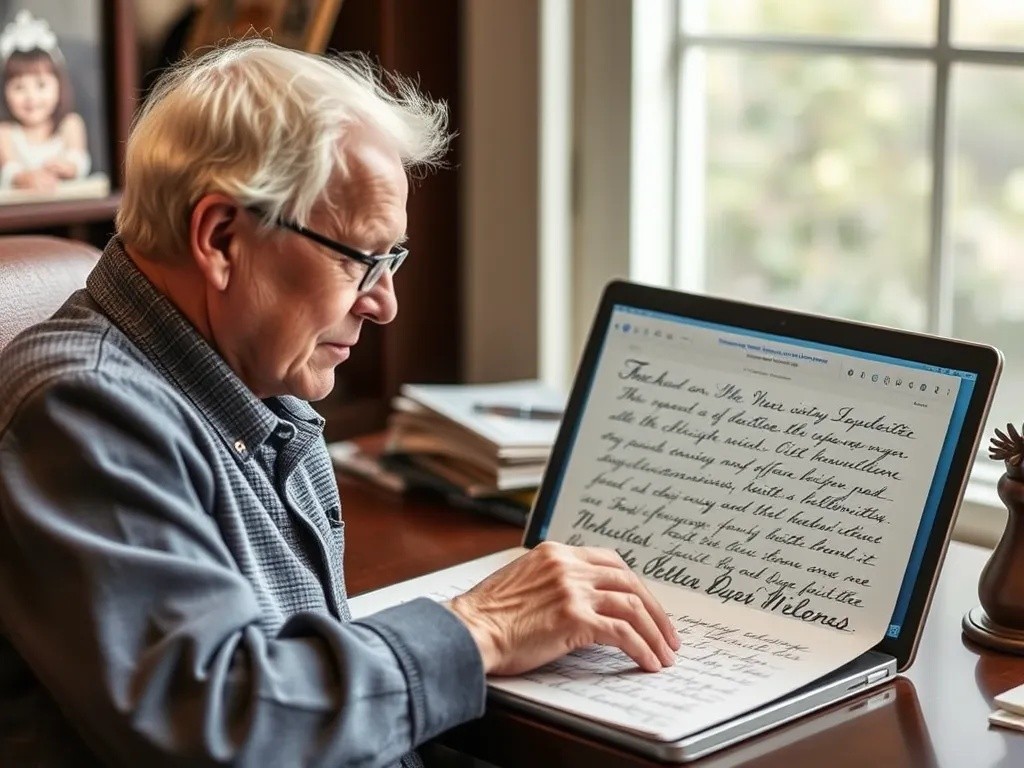
After completing the analysis, the software creates a comprehensive digital model of the individual's handwriting style. Users can then input any text they wish, and the system generates output that appears as if it were written by hand by their departed loved one.
Emotional Significance and Practical Applications
For many families, handwriting represents one of the most personal and intimate connections to those who have passed away. Unlike photographs or recordings, handwriting captures the physical movements and habits of a person, making it deeply evocative of their presence.
The software has found numerous applications among users seeking to honor their relatives' memories. Some create personalized birthday cards featuring messages in their grandmother's handwriting. Others have produced custom journals with handwritten quotes from deceased parents. Wedding invitations written in a late grandfather's script have brought tears of joy to entire families.
Technical Achievements and Limitations
The development team reports that their algorithm achieves remarkable accuracy rates when provided with sufficient sample material. Optimal results typically require at least several paragraphs of handwritten text, though the system can produce recognizable approximations from smaller samples.
However, experts note certain limitations. The technology works best with consistent handwriting styles and may struggle with samples that show significant variation due to age, illness, or changing writing instruments over time.
Privacy and Ethical Considerations
The release of this technology has sparked important conversations about privacy and consent. While the software offers comfort to grieving families, some ethicists raise questions about recreating someone's handwriting without their explicit permission. The developers have implemented verification systems requiring users to demonstrate their relationship to the deceased individual.
Looking to the Future
As artificial intelligence continues to advance, we can expect handwriting restoration technology to become increasingly sophisticated. Future versions may incorporate additional personal characteristics, creating even more authentic reproductions of our loved ones' unique written expressions. For now, this software represents a touching bridge between generations, allowing the handwritten word to transcend mortality itself.