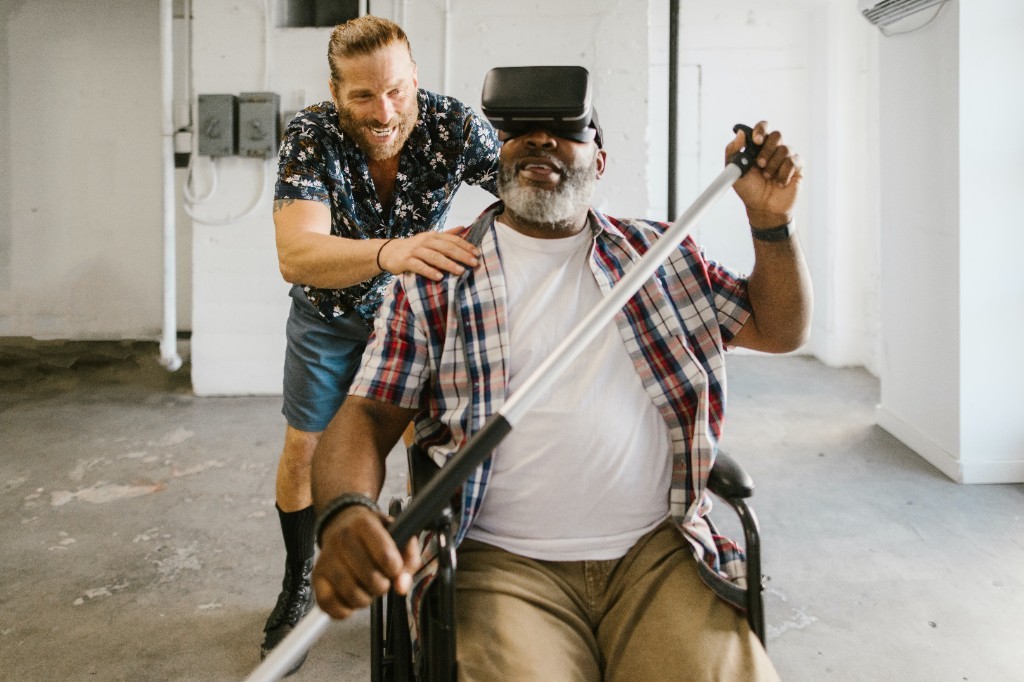
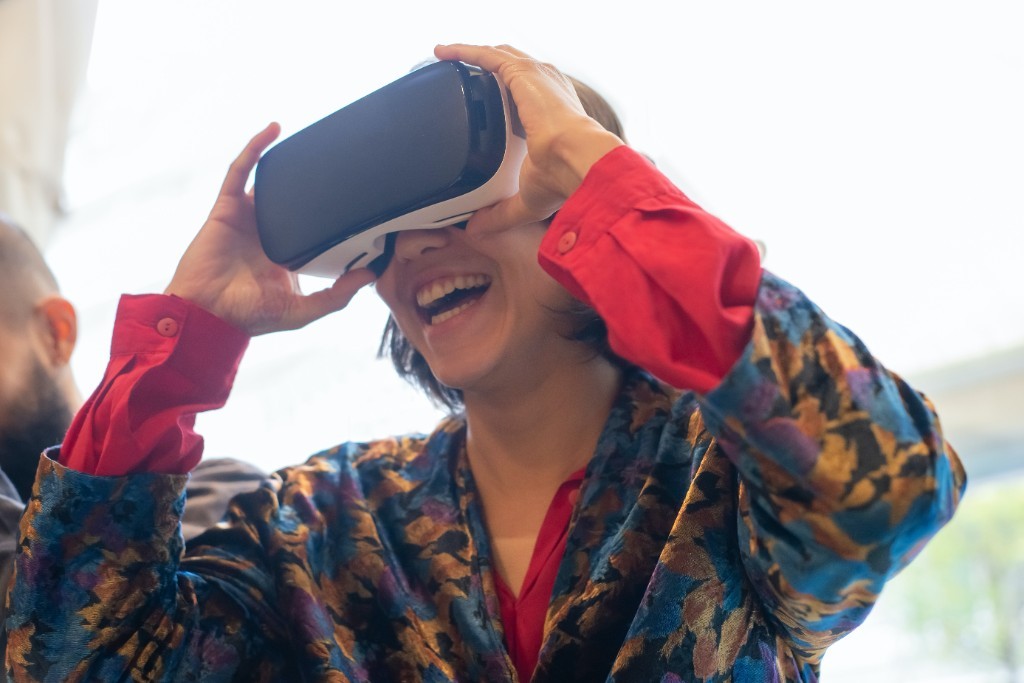
In recent years, there has been a significant advancement in the field of Artificial Intelligence (AI) and Augmented Reality (AR). These technologies have become increasingly popular and have the potential to enhance virtual experiences in various fields such as gaming, education, healthcare, and...
Virtual Doctor Diagnoses Skin Problems From Simple Photos
464
05.12.2025
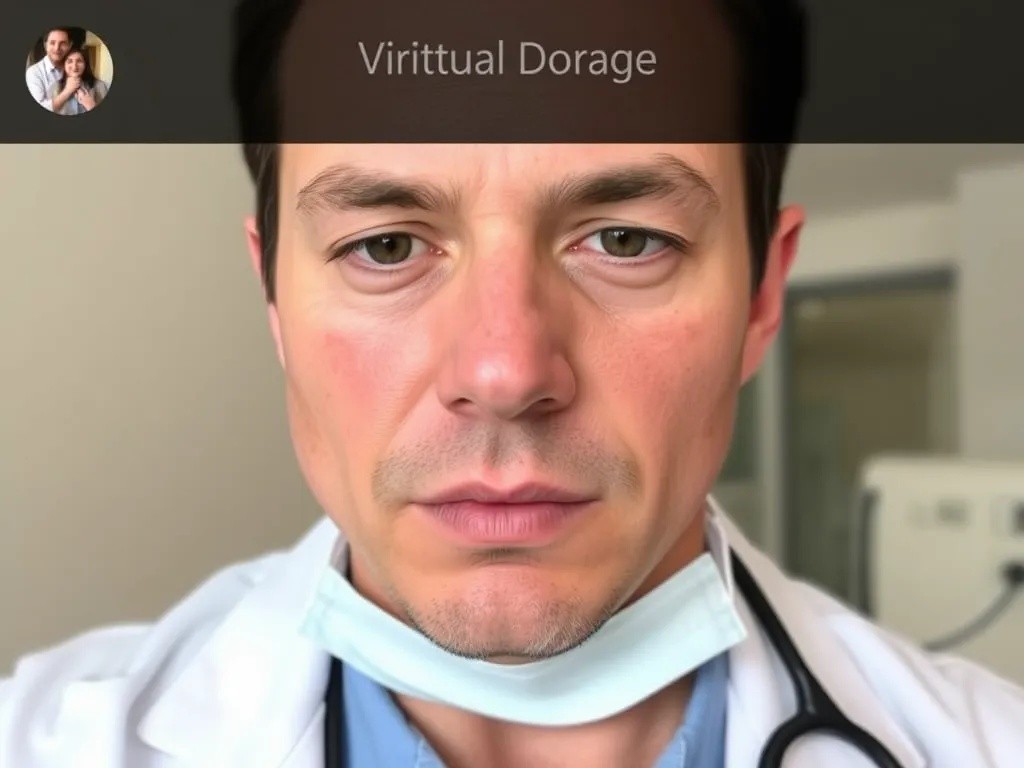
Artificial intelligence is transforming dermatology through sophisticated virtual diagnosis systems that can identify skin conditions from ordinary smartphone photos. This breakthrough technology is making expert-level dermatological care accessible to millions who previously lacked convenient access to specialists.
The Technology Behind AI Dermatology
At the core of these virtual dermatology systems is deep learning technology trained on millions of clinical images across diverse skin types and conditions. The neural networks powering these systems have been developed using comprehensive datasets that include images representing all skin colors and ethnicities, addressing a historical gap in dermatological resources.
Key Technical Innovations
- Convolutional neural networks specifically optimized for skin condition recognition
- Transfer learning techniques that allow the system to apply knowledge from well-documented conditions to rarer ones
- Image preprocessing algorithms that compensate for variable lighting, camera quality, and angles
- Explainable AI components that highlight the visual features influencing each diagnosis
When a user submits a photo, the system first enhances and standardizes the image, then analyzes it against its trained model. Within seconds, it delivers a preliminary diagnosis along with a confidence score and differential diagnoses when appropriate.
Clinical Validation and Accuracy
Multiple peer-reviewed studies have demonstrated that leading AI dermatology systems achieve diagnostic accuracy comparable to board-certified dermatologists. In a landmark 2024 study published in Nature Medicine, one system correctly identified 95.3% of malignant skin lesions from smartphone photos, compared to 91.6% for experienced dermatologists reviewing the same images.
However, these systems are not designed to replace human physicians. Rather, they serve as powerful triage and screening tools, helping prioritize cases requiring urgent in-person care while providing immediate guidance for more benign conditions.
Conditions Most Accurately Diagnosed
- Common acne variants (97.8% accuracy)
- Psoriasis and eczema (95.2% accuracy)
- Fungal infections including ringworm (93.1% accuracy)
- Potential melanoma and suspicious lesions (94.6% sensitivity)
- Contact dermatitis and allergic reactions (89.7% accuracy)

Global Health Impact
The technology's most profound impact may be in regions with limited access to dermatologists. In sub-Saharan Africa, where some countries have fewer than one dermatologist per million residents, AI-powered diagnosis is filling critical care gaps.
Rural communities worldwide benefit similarly. Patients who previously needed to travel hundreds of miles for specialist consultations can now receive preliminary diagnosis and basic treatment guidance locally, with referrals reserved for cases requiring hands-on intervention.
Expanding Access to Care
The democratization of dermatology expertise through AI is addressing several persistent healthcare challenges:
- Reducing specialist waiting times from months to minutes
- Eliminating transportation barriers for mobility-limited patients
- Providing 24/7 availability for urgent skin concerns
- Breaking down economic barriers with affordable or free basic assessment
- Reducing embarrassment that prevents some patients from seeking in-person care
Limitations and Ethical Considerations
Despite impressive advances, virtual dermatology systems face important limitations. Tactile information remains unavailable, preventing assessment of skin texture, firmness, and temperature. Certain conditions that present similarly visually but differ in other characteristics may be challenging to differentiate.
Privacy concerns remain paramount, requiring robust security measures to protect sensitive medical images. Additionally, questions of liability and regulatory oversight continue to evolve as the technology becomes more widespread.
Future Developments
The next generation of virtual dermatology systems is focusing on several promising enhancements:
Emerging Capabilities
- Integration with smartphone spectroscopy attachments to analyze skin at multiple light wavelengths
- Longitudinal monitoring capabilities to track condition progression over time
- Personalized treatment recommendations based on individual response history
- Enhanced integration with telemedicine platforms for seamless human specialist referral
Researchers are also exploring multimodal systems that combine visual analysis with patient-reported symptoms and medical history to further improve diagnostic accuracy.
Conclusion
Virtual dermatology powered by artificial intelligence represents one of healthcare's most successful AI applications to date. By making expert-level diagnostic capabilities available through ordinary smartphones, these systems are democratizing access to specialized care while potentially saving lives through earlier detection of serious conditions.
While not replacing the need for human dermatologists, these virtual systems are transforming the dermatology care model, enabling specialists to focus their attention on complex cases while AI handles routine screening and triage. For millions worldwide, this technology means skin concerns no longer need to go unaddressed due to access barriers.