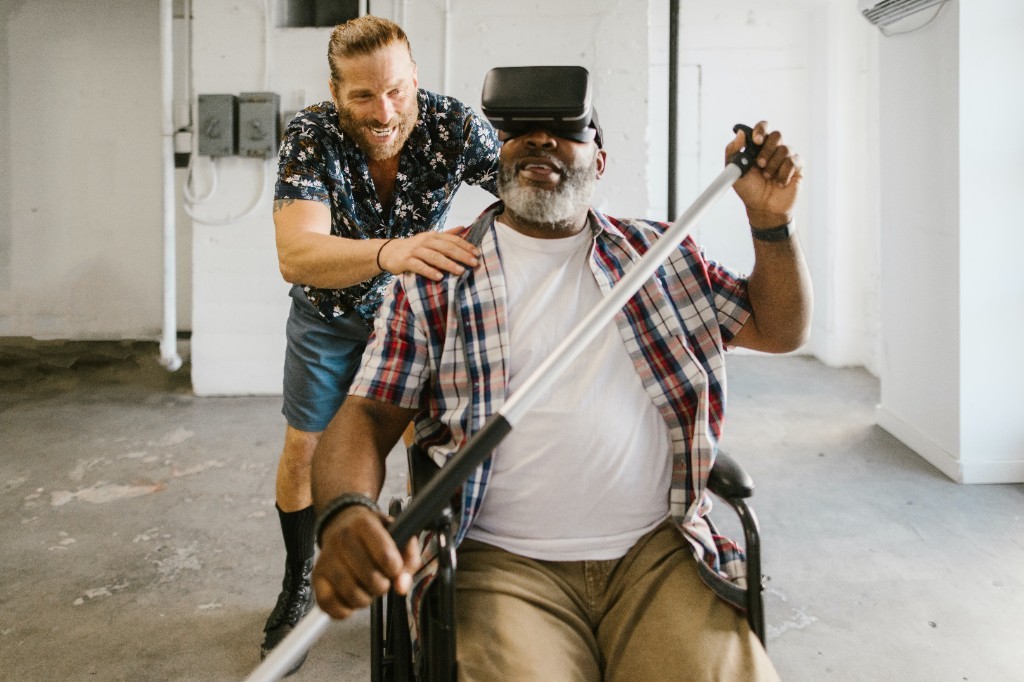

In recent years, there has been a significant advancement in the field of Artificial Intelligence (AI) and Augmented Reality (AR). These technologies have become increasingly popular and have the potential to enhance virtual experiences in various fields such as gaming, education, healthcare, and...
Virtual Voice Coach Improves Singing Without Expensive Lessons
540
08.01.2026
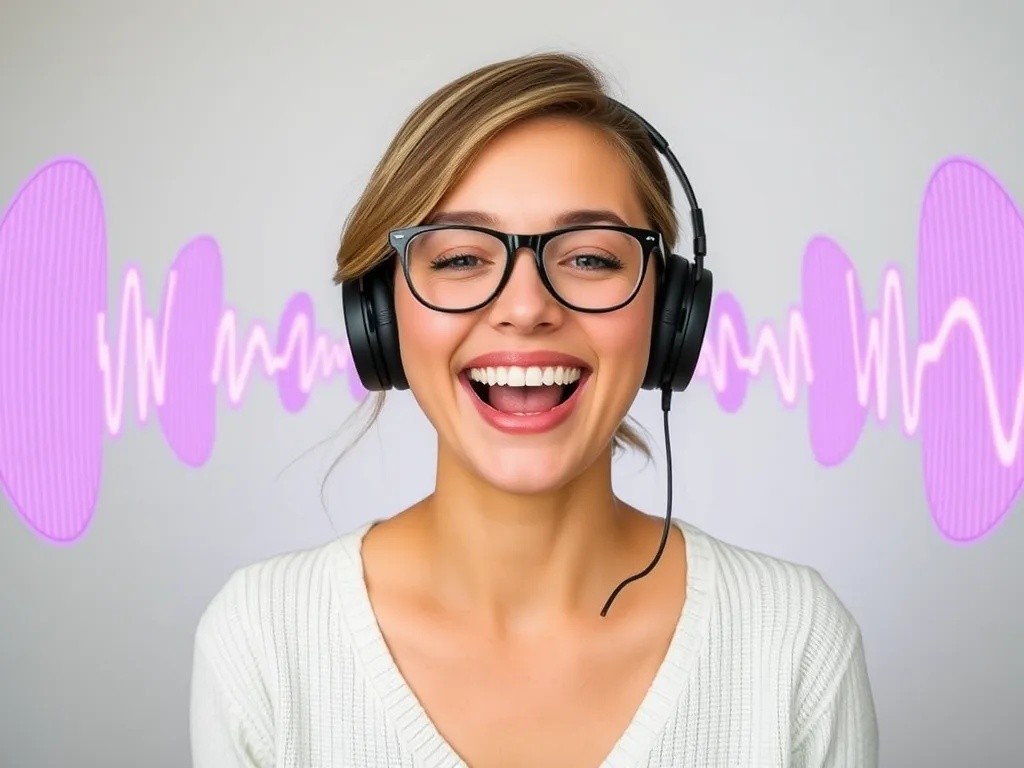
Introduction to AI Voice Training
Professional singing lessons typically cost between fifty and two hundred dollars per hour, placing quality vocal instruction beyond reach for many aspiring singers. Traditional coaching requires scheduling flexibility, geographic proximity to qualified instructors, and sustained financial commitment. Virtual voice coaches powered by artificial intelligence democratize singing education, offering sophisticated instruction accessible to anyone with a smartphone or computer.
These intelligent systems analyze vocal performance with precision rivaling human instructors, providing real-time feedback on pitch accuracy, tone quality, breath control, and technique. By making professional-grade coaching affordable and convenient, AI voice trainers are transforming how people learn to sing, enabling millions to develop their vocal abilities without traditional barriers.
How Virtual Voice Coaching Technology Works
Advanced Audio Analysis
Virtual voice coaches employ sophisticated audio processing algorithms that dissect vocal performance into measurable components. The software analyzes pitch accuracy by comparing sung notes against target frequencies, detecting deviations as small as a few cents (hundredths of a semitone). Spectral analysis examines tone quality, identifying issues like breathiness, nasality, or tension that affect vocal sound.
Machine learning models trained on thousands of professional vocal performances recognize proper technique characteristics. These systems detect breathing patterns, vowel formation, resonance placement, and dynamic control, comparing user performance against established standards to identify improvement areas.
Real-Time Feedback Systems
Unlike traditional lessons where feedback comes after completing a phrase or exercise, AI coaches provide instant visual and auditory guidance. On-screen displays show pitch accuracy in real-time, allowing singers to adjust immediately. Color-coded indicators highlight technical issues as they occur, creating immediate learning opportunities that accelerate skill development.
Personalized Learning Pathways
Virtual coaches assess user abilities through initial evaluation exercises, then construct customized training programs addressing specific needs. The AI continuously adapts difficulty levels and exercise selection based on progress, ensuring optimal challenge without overwhelming learners. This personalization rivals experienced human instructors' ability to tailor lessons to individual students.
Key Features and Capabilities
Pitch Training and Correction
Accurate pitch represents singing's fundamental skill. Virtual coaches display target pitches visually while monitoring sung notes, showing exact deviations. Users see immediately when they're sharp or flat, developing the muscle memory and auditory skills necessary for consistent pitch accuracy. Progressive exercises build interval recognition and melodic accuracy systematically.
Tone Quality Development
AI systems analyze vocal timbre, identifying qualities like warmth, brightness, and clarity. The software provides exercises targeting specific tone qualities, with visual feedback showing how adjustments affect sound. Singers learn to manipulate resonance, reduce unwanted qualities, and develop their unique vocal character through guided experimentation.
Breath Control Training
Proper breathing forms the foundation of healthy singing technique. Virtual coaches monitor breath patterns through audio analysis, detecting shallow breathing, tension, or irregular patterns. Guided breathing exercises teach diaphragmatic breathing and breath management, essential skills for sustained phrases and dynamic control.
Repertoire Building
Most virtual coaches include extensive song libraries spanning multiple genres and difficulty levels. Users learn complete songs with section-by-section guidance, receiving feedback on every phrase. The software identifies challenging passages and generates targeted exercises addressing specific difficulties encountered in chosen songs.
Benefits Compared to Traditional Lessons
Cost Accessibility
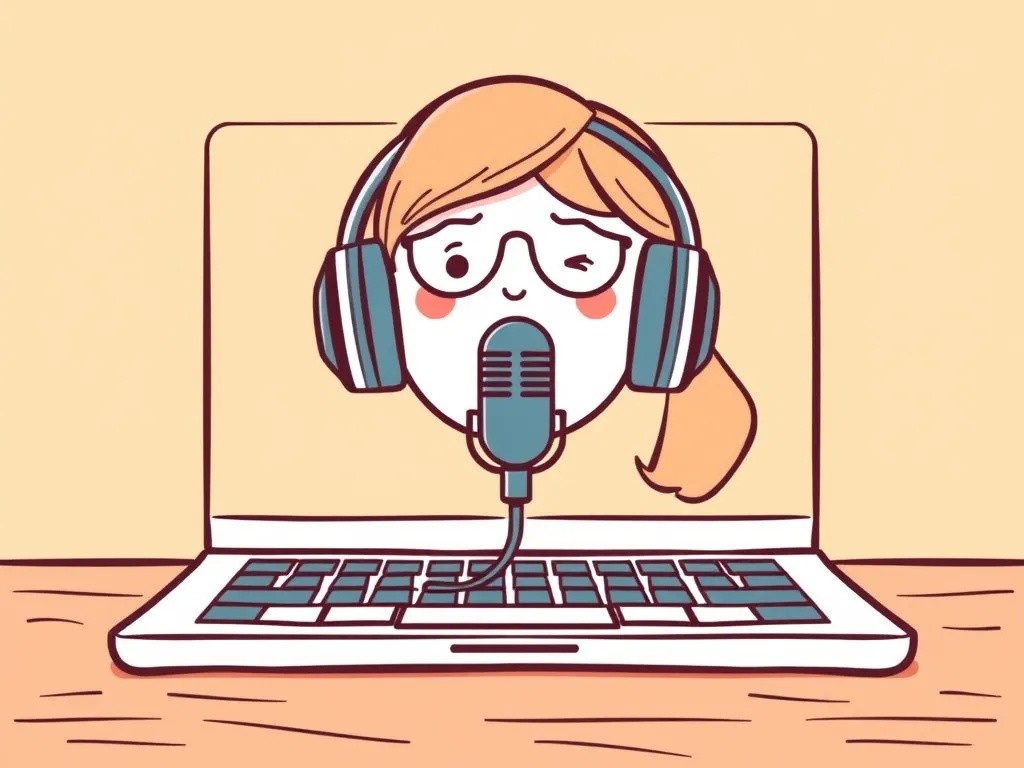
Monthly subscriptions to virtual voice coaching typically cost between ten and thirty dollars, equivalent to a single traditional lesson. This pricing makes consistent, long-term instruction feasible for students who couldn't otherwise afford regular coaching. The immediate feedback during practice sessions effectively multiplies instruction value, as users receive guidance during every practice session rather than just weekly lessons.
Flexible Scheduling
Virtual coaches are available 24/7, eliminating scheduling conflicts that plague traditional lessons. Students practice when convenient, whether that's early morning, late evening, or during lunch breaks. This flexibility encourages more consistent practice, a critical factor in skill development.
Reduced Performance Anxiety
Many beginning singers experience nervousness performing for instructors, which hampers learning and vocal freedom. Virtual coaches eliminate this pressure, allowing students to experiment, make mistakes, and develop confidence in private. This psychological benefit accelerates progress, particularly for anxious or introverted learners.
Real-World Success Stories
Amateur singers worldwide report significant improvement using virtual coaching. One user who couldn't afford traditional lessons used an AI coach for six months before successfully auditioning for a community theater production. Another student prepared for college music program auditions primarily through virtual instruction, gaining acceptance to multiple schools.
Professional singers increasingly use AI coaches for maintenance between human lessons and for specific technical work. Broadway performers report using virtual systems to monitor vocal health during demanding performance schedules, ensuring technique remains solid despite limited time for formal coaching.
Limitations and Challenges
Lack of Holistic Feedback
While AI excels at analyzing measurable technical elements, it cannot assess performance artistry, emotional expression, or stage presence the way human coaches do. Virtual systems provide technical foundation but may not develop the interpretive skills that distinguish exceptional performers.
Physical Technique Observation
Human instructors observe posture, jaw tension, and physical habits affecting vocal production. Current AI systems primarily rely on audio analysis, missing visual cues that reveal technical problems. Some advanced platforms incorporate camera-based analysis, but this remains less sophisticated than experienced instructor observation.
Motivation and Accountability
Self-directed learning requires discipline some students struggle to maintain. Without scheduled appointments and personal instructor relationships, some users abandon practice. Successful virtual coaching users typically possess strong self-motivation or supplement AI training with periodic human instruction for accountability.
Future Developments
Next-generation virtual coaches will incorporate video analysis of physical technique, artificial intelligence that provides emotional and interpretive guidance, and virtual reality environments simulating performance situations. Integration with smart speakers and wearable devices will enable more natural, hands-free coaching experiences.
Hybrid models combining AI instruction with periodic video consultations with human coaches represent promising middle ground, offering AI's consistent feedback and cost-effectiveness while maintaining human expertise for advanced artistic development and motivation.
Conclusion
Virtual voice coaches represent transformative technology democratizing singing education. While they don't entirely replace human instructors, they provide accessible, affordable pathways for developing vocal skills previously available only to those who could afford expensive private lessons. As technology advances, AI coaching will become increasingly sophisticated, helping millions discover and develop their singing voices regardless of financial circumstances or geographic location.