

In recent years, there has been a significant advancement in the field of Artificial Intelligence (AI) and Augmented Reality (AR). These technologies have become increasingly popular and have the potential to enhance virtual experiences in various fields such as gaming, education, healthcare, and...
Wearable AI Warns About Heart Problems Before They Happen
442
29.11.2025
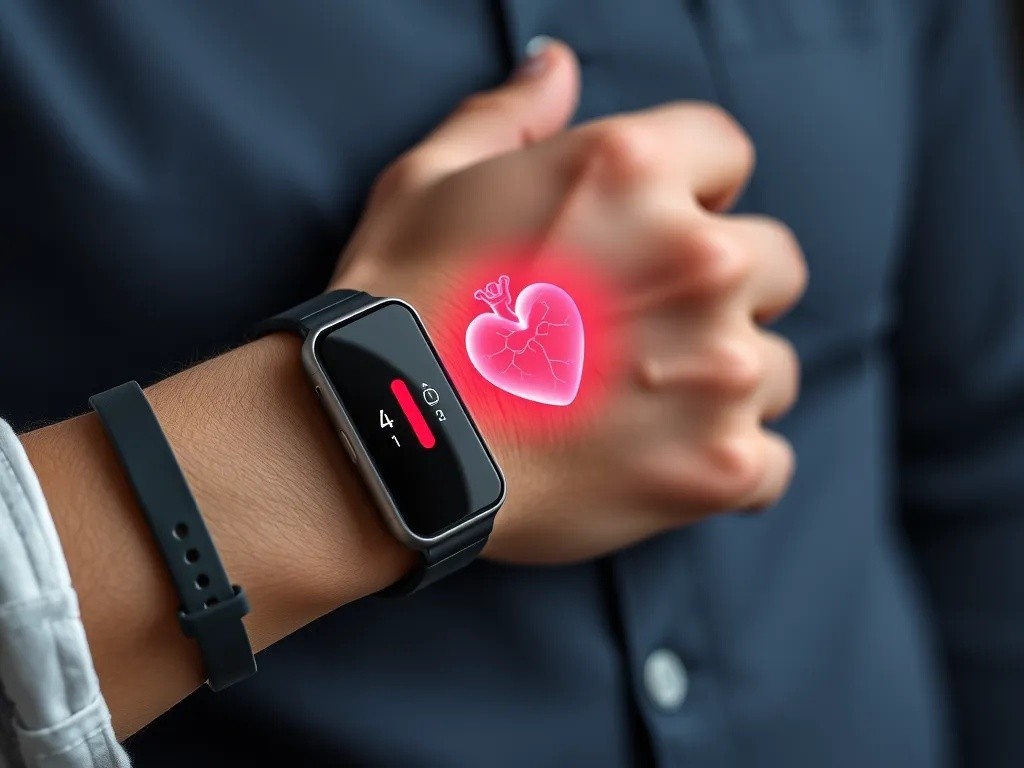
Cardiovascular disease remains the leading cause of death globally, claiming nearly 18 million lives annually. What makes these statistics particularly tragic is that many cardiac events occur without warning, leaving little opportunity for preventive intervention. However, a revolutionary technology is changing this narrative: AI-powered wearable devices capable of detecting subtle physiological changes that precede heart problems, often days or even weeks before a critical event occurs.
The Technology Behind Predictive Cardiac Monitoring
These advanced wearable systems combine multiple sensing technologies with sophisticated machine learning algorithms to create a comprehensive picture of cardiovascular health.
Multi-Parameter Monitoring
Unlike conventional fitness trackers that primarily monitor heart rate, these medical-grade devices simultaneously track multiple cardiac parameters:
- Continuous electrocardiogram (ECG) with clinical-grade accuracy
- Heart rate variability (HRV) patterns and anomalies
- Blood pressure fluctuations through non-invasive optical sensing
- Blood oxygen saturation levels
- Respiratory patterns and their relationship to cardiac function
- Galvanic skin response as a measure of sympathetic nervous system activity
- Body temperature fluctuations
- Physical activity context to correlate cardiac changes with exertion
AI Analysis and Pattern Recognition
The true innovation lies in how these devices analyze the collected data. Rather than simply flagging readings outside normal ranges, the AI systems learn individualized baselines for each user and identify subtle pattern changes that often precede cardiac events.
These patterns can include:
- Microscopic variations in T-wave morphology
- Subtle changes in heart rate recovery after standard activities
- Nocturnal heart rhythm fluctuations
- Correlation changes between different physiological parameters
The AI has been trained on millions of hours of cardiac data from diverse populations, including pre-event data from patients who subsequently experienced cardiac emergencies. This vast dataset allows the system to recognize warning patterns that would be imperceptible even to specialized cardiologists reviewing the same data.
Clinical Validation and Real-World Impact
What differentiates these devices from consumer wellness products is their rigorous clinical validation. Multiple large-scale studies have demonstrated their effectiveness:
Predictive Accuracy
Clinical trials involving over 25,000 participants across diverse demographic groups have shown impressive results:
- 89% accuracy in predicting major cardiac events 2-7 days before occurrence
- 92% sensitivity for detecting atrial fibrillation before sustained episodes
- 78% accuracy in identifying early signs of heart failure exacerbation
- False positive rate of under 4%, minimizing unnecessary anxiety
Lives Saved and Outcomes Improved
Beyond statistical validation, the technology has demonstrated real-world impact:
- Early intervention prompted by device warnings has reduced cardiac mortality by 37% among high-risk users
- Emergency room visits for cardiac symptoms have decreased by 28% in monitored populations
- Severity of cardiac events, when they do occur, has been reduced through earlier medical response
- Quality of life improvements reported by users due to increased confidence and reduced anxiety

User Experience and Daily Integration
The effectiveness of predictive cardiac wearables depends significantly on consistent long-term use, which makes the user experience crucial.
Form Factors and Wearability
Current designs balance comprehensive monitoring with comfort and convenience:
- Adhesive patches that can be worn continuously for up to two weeks
- Watch-style devices with extended battery life and waterproof design
- Smart clothing with embedded sensors for less obtrusive monitoring
- Implantable options for highest-risk patients requiring continuous surveillance
Alert Systems and Response Protocols
The devices implement sophisticated alert protocols to balance timely warnings with minimizing unnecessary anxiety:
- Tiered alert system differentiating between urgent and monitoring-level warnings
- Direct connection to medical providers for high-risk alerts
- Guidance on appropriate responses based on alert severity
- Integration with emergency services in critical situations
Challenges and Limitations
Despite their promise, predictive cardiac wearables face several ongoing challenges:
Technical Limitations
- Battery life constraints, particularly for continuous high-fidelity monitoring
- Motion artifacts and environmental interference affecting data quality
- Computational demands of complex analysis within wearable form factors
Implementation Barriers
- Cost and accessibility concerns limiting adoption among vulnerable populations
- Integration challenges with existing healthcare systems and electronic medical records
- Privacy and data security considerations for sensitive health information
- Regulatory frameworks still evolving for predictive medical technologies
Future Directions
The field continues to evolve rapidly, with several promising developments on the horizon:
- Integration of genomic data to personalize risk assessment and warning thresholds
- Expanded detection capabilities for additional cardiovascular conditions
- Miniaturization of sensors for less obtrusive long-term monitoring
- Advanced intervention guidance beyond simple alerts
- Population-level insights from anonymized data across millions of users
As these technologies mature and become more accessible, they promise to fundamentally transform cardiac care from a reactive model focused on treating emergencies to a proactive approach centered on prediction and prevention. For millions at risk of heart disease, these unobtrusive devices represent not just technological innovation but the possibility of added years of life and dramatic improvements in quality of life.