
adept.ai
Price unknown
Adept
Adept is an advanced AI platform that aims to transform how companies engage with technology using its agentic AI features.
Harmony is an AI-based platform for managing IT services, designed specifically for IT teams.
Harmony is an AI-based platform for managing IT services, designed specifically for IT teams. When employees need assistance, they can reach out via Slack or Microsoft Teams, and Harmony's AI agents manage the request from start to finish, eliminating the need to open a ticket and wait.
Key features of Harmony:
- Harmony is a comprehensive system that keeps records, not just a chatbot. It integrates assets, applications, SaaS licenses, employee records, and policies onto a single platform, enabling agents to work with accurate data.
- It connects to over 100 tools in areas such as identity management, device administration, HR, security, and existing service desks.
- Harmony can replace your current IT service management system or operate alongside solutions like Jira Service Management, ServiceNow, Freshservice, or Zendesk.
- The platform is built with control in mind: all actions require approvals and permissions, which are enforced through code. Each step is logged, and the AI does not interact directly with HR or identity systems.
Adept is an advanced AI platform that aims to transform how companies engage with technology using its agentic AI features.
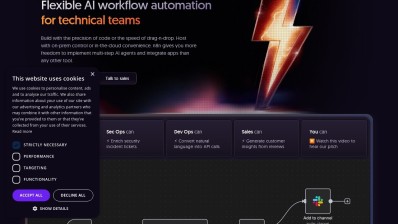
n8n.io is a flexible workflow automation platform that allows users to link and automate activities across a variety of apps and services.
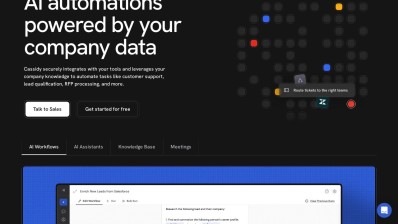
Cassidy is a platform powered by AI that automates business operations by seamlessly connecting with a company's existing tools and data sources, such as Notion, Slack, and LinkedIn.